Hanwha Ocean Flags Demand Uncertainty as Middle East Conflict Weighs on Shipbuilding Markets
South Korean shipbuilder Hanwha Ocean has issued a cautious outlook for the global shipbuilding sector, warning that escalating tensions in the Middle East are beginning to ripple through commercial vessel demand—particularly in the tanker and container segments.
The company highlighted growing volatility in ordering patterns as geopolitical risks, inflationary pressures, and slowing global trade begin to reshape shipowners’ investment decisions.
VLCC Segment Under Immediate Pressure
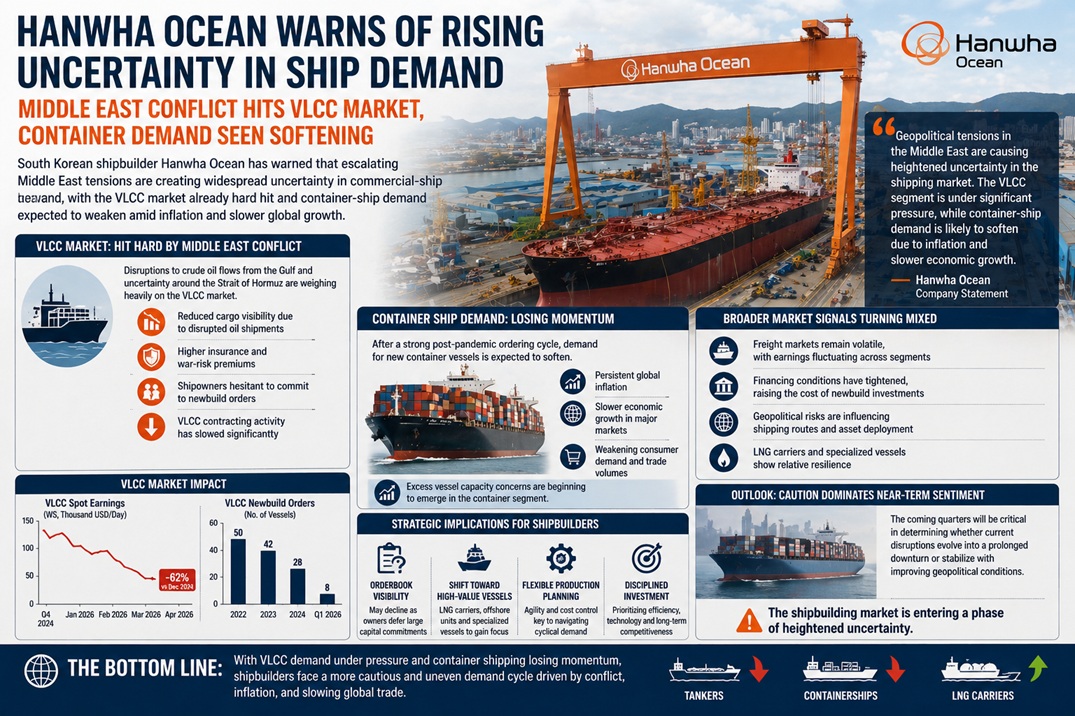
At the center of the concern is the Very Large Crude Carrier (VLCC) market, which has been significantly impacted by disruptions linked to the Middle East conflict.
Traditionally driven by stable crude export flows from the Gulf, the VLCC segment is now facing:
- Reduced cargo visibility due to disrupted oil shipments
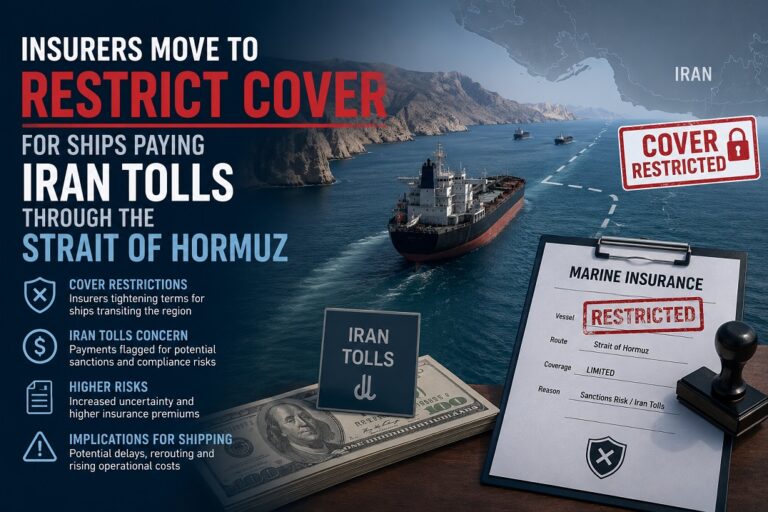
- Increased insurance and war-risk premiums
- Hesitation among shipowners to commit to newbuild orders
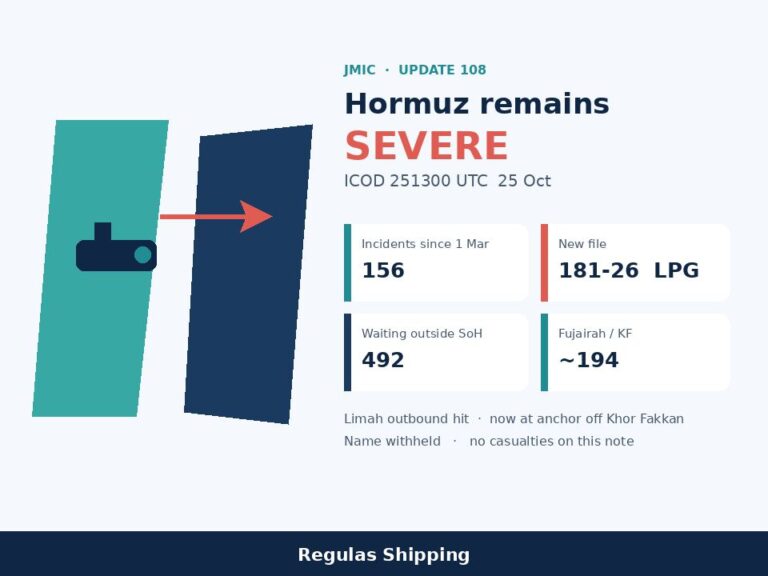
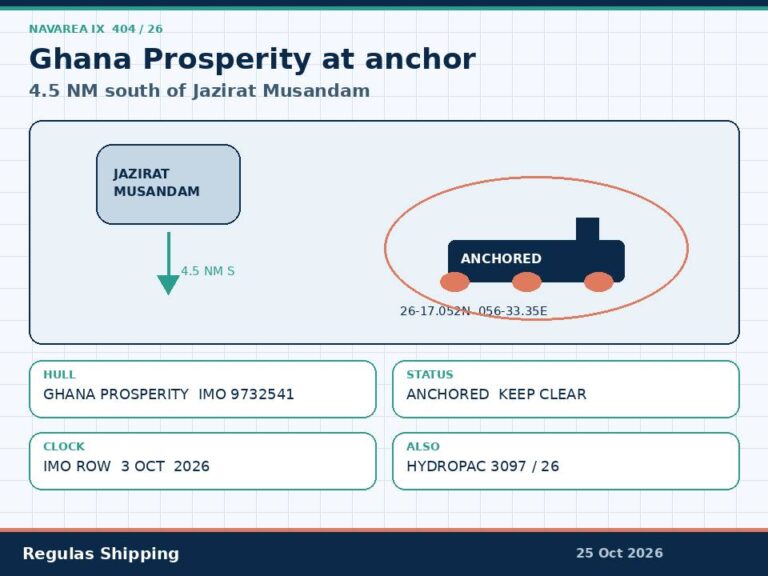
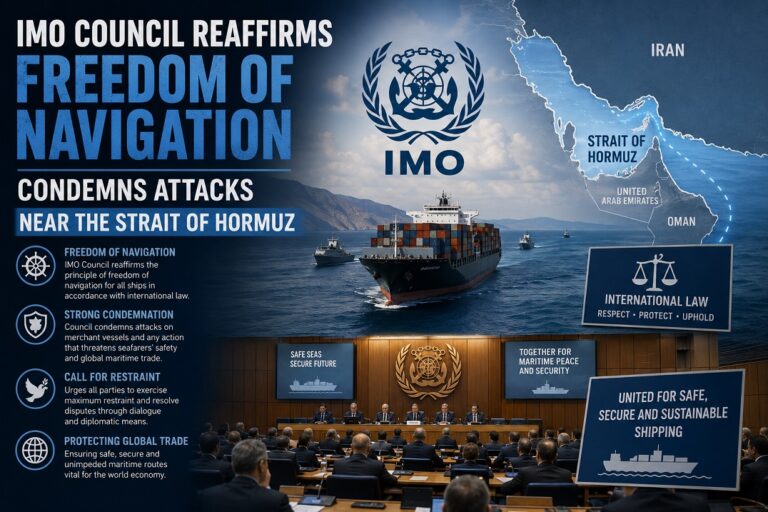
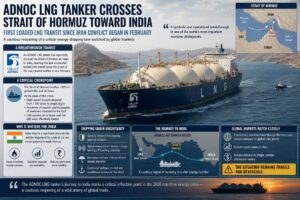
The Strait of Hormuz—one of the world’s most critical oil transit chokepoints—has seen fluctuating vessel movements, directly affecting tanker utilization and earnings expectations.
Hanwha Ocean noted that this uncertainty has already translated into a slowdown in VLCC contracting activity, with buyers adopting a wait-and-watch approach.
Container Ship Demand Losing Momentum
Beyond tankers, the outlook for container shipping is also turning cautious.
The shipbuilder expects demand for new container vessels to soften due to:
- Persistent global inflation
- Slower economic growth in key markets
- Weakening consumer demand affecting trade volumes
After a strong post-pandemic ordering cycle, the container segment now appears to be entering a normalization phase, with excess capacity concerns beginning to surface.
Broader Market Signals Turning Mixed
Hanwha Ocean’s warning reflects a broader shift in sentiment across the maritime industry:
- Freight markets remain volatile, with earnings fluctuating sharply across segments
- Financing conditions have tightened, making newbuild investments more expensive
- Geopolitical risks are increasingly influencing shipping routes and asset deployment
While LNG carriers and specialized vessels continue to show relative resilience, the overall commercial shipbuilding pipeline is becoming less predictable.
Strategic Implications for Shipbuilders
For shipyards like Hanwha Ocean, the evolving landscape presents both risks and opportunities:
- Orderbook visibility may decline if owners defer large capital commitments
- Shift toward high-value vessels such as LNG carriers and offshore units could accelerate
- Flexible production planning will be key to navigating cyclical demand swings
The company emphasized the need to remain agile, particularly as external shocks—from geopolitical tensions to macroeconomic headwinds—continue to influence global shipping dynamics.
Outlook: Caution Dominates Near-Term Sentiment
Industry analysts suggest that the coming quarters will be critical in determining whether current disruptions evolve into a prolonged downturn or stabilize with improving geopolitical conditions.
For now, Hanwha Ocean’s message is clear:
the shipbuilding market is entering a phase of heightened uncertainty, where demand signals are increasingly tied not just to trade fundamentals, but to geopolitical risk and economic resilience.
The Bottom Line
The warning from Hanwha Ocean underscores a turning point in the global maritime sector.
With VLCC demand under pressure and container shipping losing momentum, shipbuilders are bracing for a more cautious and uneven demand cycle, shaped as much by conflict and inflation as by traditional supply–demand dynamics.