ADNOC LNG Tanker Crosses Hormuz, Signals Fragile Reopening of Energy Lifeline
April 28, 2026 | Global Energy & Maritime Desk
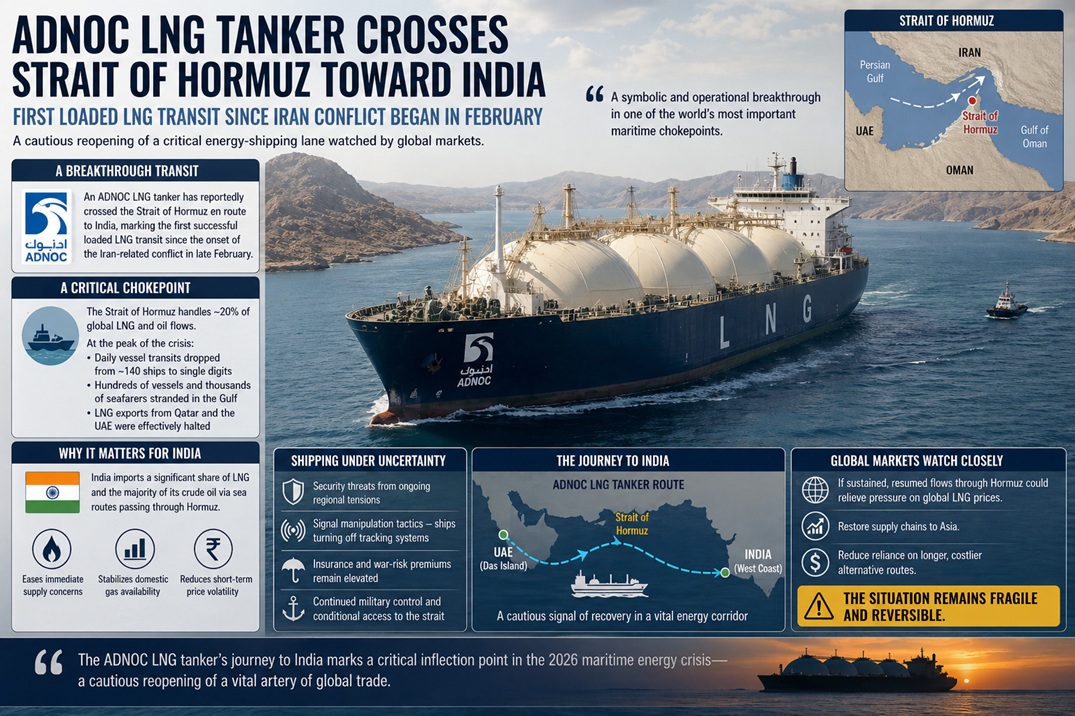
In a development closely watched by global energy markets, an LNG tanker managed by Abu Dhabi National Oil Company (ADNOC) has reportedly crossed the Strait of Hormuz en route to India—marking the first successful loaded LNG transit since the onset of the Iran-related conflict in late February.
The vessel’s passage, confirmed through ship-tracking data, is being interpreted as a tentative sign of recovery in one of the world’s most critical maritime chokepoints, which has remained largely disrupted for weeks due to escalating geopolitical tensions.
A Break in a Prolonged Energy Disruption
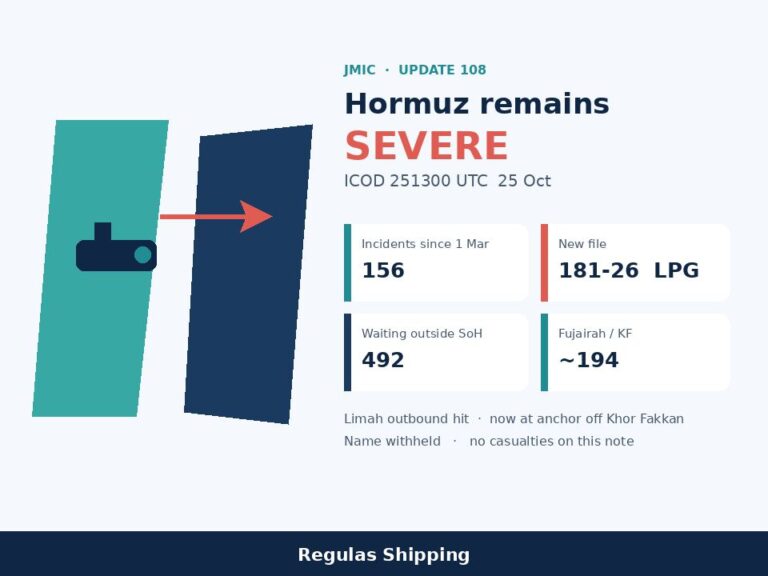
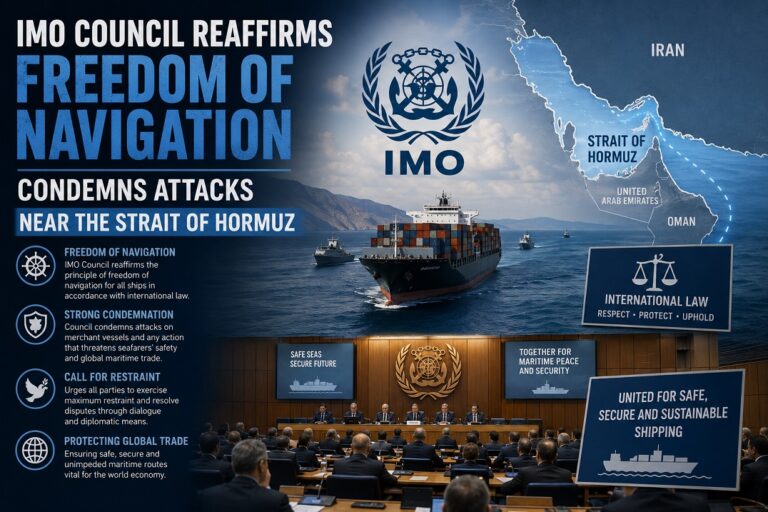
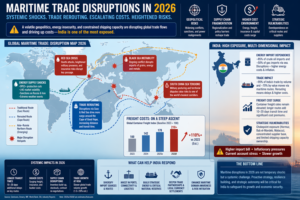
Since late February, the Strait of Hormuz—responsible for roughly 20% of global LNG and oil flows—has witnessed an unprecedented collapse in traffic amid military threats, seizures, and safety concerns.
At the peak of the crisis:
- Daily vessel transits dropped from ~140 ships to single digits
- Hundreds of vessels and thousands of seafarers were stranded in the Gulf
- LNG exports from Qatar and the UAE were effectively halted
Against this backdrop, the ADNOC tanker’s successful transit represents more than a routine voyage—it is a symbolic and operational breakthrough.
India at the Center of the Shift
The tanker’s destination—India’s west coast—highlights the country’s critical dependence on Middle Eastern energy supplies and its exposure to maritime disruptions.
India imports:
- A significant share of LNG from Gulf producers
- The majority of its crude oil via sea routes passing through Hormuz
The arrival of this cargo could help:
- Ease immediate supply concerns
- Stabilize domestic gas availability
- Reduce short-term price volatility
Notably, earlier isolated successes—such as LPG shipments reaching Indian ports—had already hinted at cautious reopening efforts.
Shipping Under Uncertainty
Despite the breakthrough, industry analysts warn against reading too much into a single transit.
Key risks remain:
- Security threats from ongoing regional tensions
- Signal manipulation tactics, with ships turning off tracking systems to avoid detection
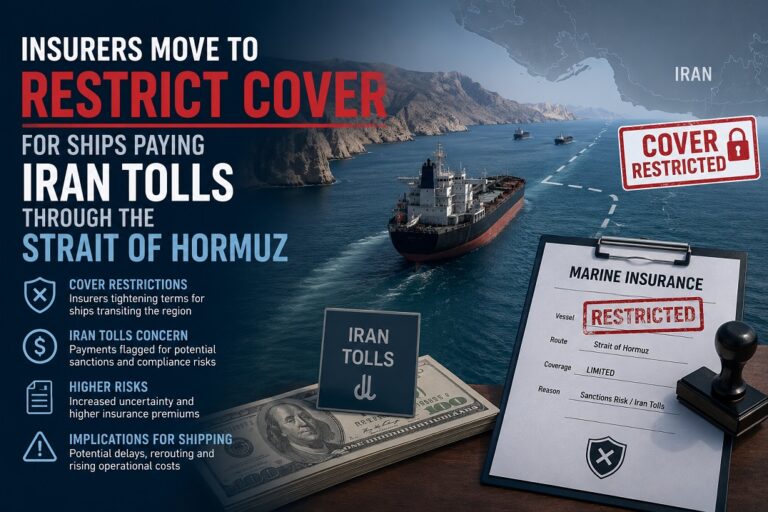
- Insurance and war-risk premiums still at elevated levels
- Continued military control and conditional access to the strait
Other vessels, including crude tankers and LNG carriers, are also attempting crossings, suggesting a gradual but uncertain normalization.
Global Energy Markets Watching Closely
The implications extend far beyond a single voyage. If sustained, resumed flows through Hormuz could:
- Relieve pressure on global LNG prices
- Restore supply chains to Asia
- Reduce reliance on longer, costlier alternative routes
However, experts caution that the situation remains fragile and reversible, with geopolitical dynamics still dictating maritime access.
The Bottom Line
The ADNOC LNG tanker’s journey to India marks a critical inflection point in the 2026 maritime energy crisis – a cautious reopening of a vital artery of global trade.
Yet, until consistent and secure transit resumes, the Strait of Hormuz will remain not just a shipping route, but a geopolitical fault line shaping the future of global energy flows.