Iran Announces New Strait of Hormuz Transit Service Fees, Raising Fresh Concerns for Global Shipping
June 2026 | Maritime Trade & Geopolitics Desk
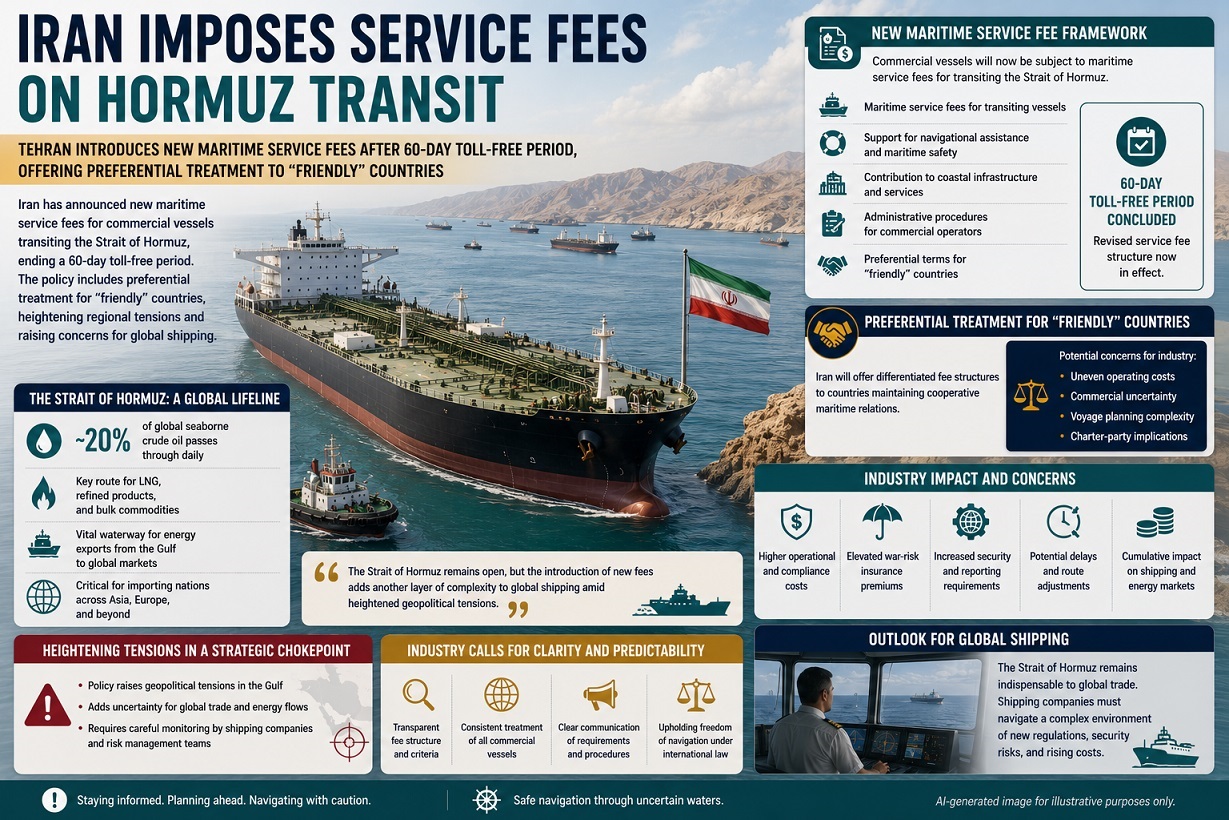
Iran has announced a new framework for maritime service fees applicable to commercial vessels transiting the Strait of Hormuz, ending a reported 60-day toll-free period and introducing a policy that offers preferential treatment to what Tehran describes as “friendly” nations.
The announcement has drawn close attention from the international maritime community, with shipowners, insurers, and energy traders assessing the potential impact on one of the world’s busiest and most strategically important shipping corridors.
New Maritime Service Fee Structure Introduced
According to Iranian authorities, commercial vessels using the Strait of Hormuz will now be subject to maritime service charges intended to support navigational assistance, maritime safety, and coastal infrastructure.
Officials stated that the previous 60-day waiver period has concluded, and a revised charging structure will now apply to eligible commercial traffic.
The framework reportedly includes:
- Maritime service fees for transiting vessels
- Administrative procedures for commercial operators
- Operational guidelines for ships entering designated service zones
- Preferential terms for countries maintaining cooperative maritime relations with Iran
Authorities have indicated that additional implementation details will be communicated through relevant maritime channels.
Selective Treatment Raises Industry Questions
One of the most closely watched aspects of the announcement is the proposal to extend preferential treatment to certain countries considered “friendly” by Tehran.
Shipping analysts note that differentiated fee structures based on diplomatic relationships could introduce new operational and commercial considerations for international shipping companies.
Potential concerns include:
- Uneven operating costs for international carriers
- Additional voyage planning complexity
- Charter-party implications
- Commercial uncertainty for multinational shipping operators
Industry organizations are expected to monitor how the policy is implemented and whether exemptions or reduced fees are formally published.
Critical Waterway for Global Energy Trade
The Strait of Hormuz remains indispensable to international commerce, serving as the primary export route for Gulf energy producers.
Each day, the waterway facilitates the movement of:
- Nearly 20% of global seaborne crude oil
- Significant volumes of liquefied natural gas (LNG)
- Refined petroleum products
- Bulk commodities and general cargo
Major importing nations—including India, China, Japan, South Korea, and several European countries—depend heavily on uninterrupted access through the corridor.
Shipping Companies Assess Commercial Impact
While the new fees may represent only a small portion of total voyage costs, the announcement comes at a time when operators are already managing:
- Elevated war-risk insurance premiums
- Increased security expenditures
- Longer voyage planning cycles
- Enhanced reporting requirements
- Higher fuel and operational costs
For many shipowners, the cumulative effect of these expenses continues to influence routing and chartering decisions.
Insurance Markets Continue to Monitor Gulf Developments
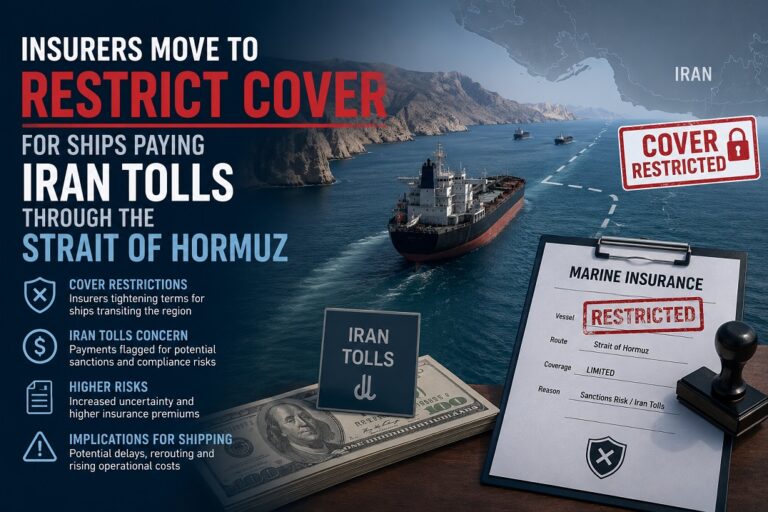
Marine insurers are also evaluating the implications of the new policy alongside the broader geopolitical environment.
Current underwriting considerations include:
- Regional security conditions
- Frequency of maritime incidents
- Political stability
- Regulatory changes affecting commercial navigation
Any additional operational uncertainty may influence future insurance pricing and voyage risk assessments for vessels trading in Gulf waters.
Industry Calls for Clarity and Predictability
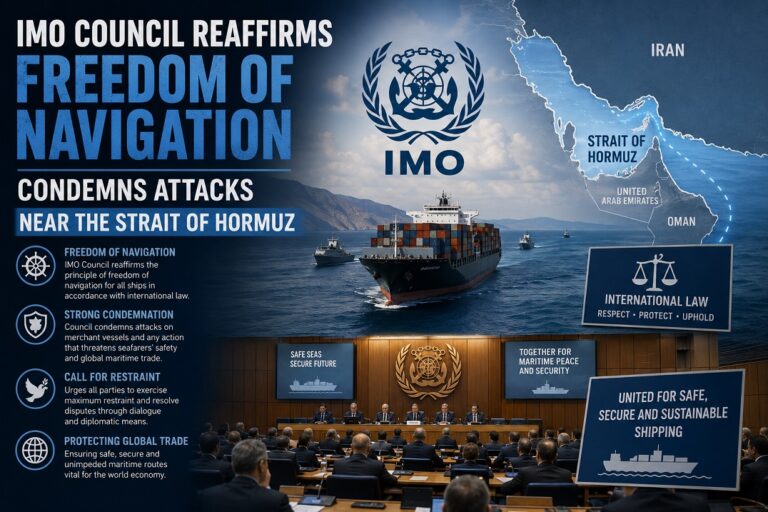
Maritime stakeholders have emphasized the importance of transparent implementation and internationally recognized navigational practices.
Shipping organizations generally advocate for:
- Predictable regulatory frameworks
- Consistent treatment of commercial vessels
- Clear communication of operational requirements
- Continued freedom of navigation in accordance with international maritime law
Greater clarity regarding fee structures and administrative procedures is expected to help reduce uncertainty for operators and charterers.
Strategic Implications for Global Trade
The announcement highlights the growing intersection of maritime commerce and geopolitics.
As regional tensions continue to influence shipping operations, commercial operators are increasingly required to balance:
- Cost efficiency
- Regulatory compliance
- Crew safety
- Security risk management
- Supply-chain reliability
Analysts believe that while shipping through the Strait of Hormuz is expected to continue, commercial decision-making will remain closely tied to geopolitical developments across the Gulf.
The Bottom Line
Iran’s introduction of new maritime service fees for vessels transiting the Strait of Hormuz marks another significant development in the evolving operational landscape of one of the world’s most critical maritime chokepoints.
Although commercial traffic continues to move through the corridor, the combination of new administrative requirements, ongoing security concerns, and elevated insurance costs reinforces the complex environment facing global shipping.
For shipowners, charterers, and energy markets alike, the Strait of Hormuz remains open, but navigating it increasingly requires careful planning, heightened vigilance, and close attention to both operational and geopolitical developments.