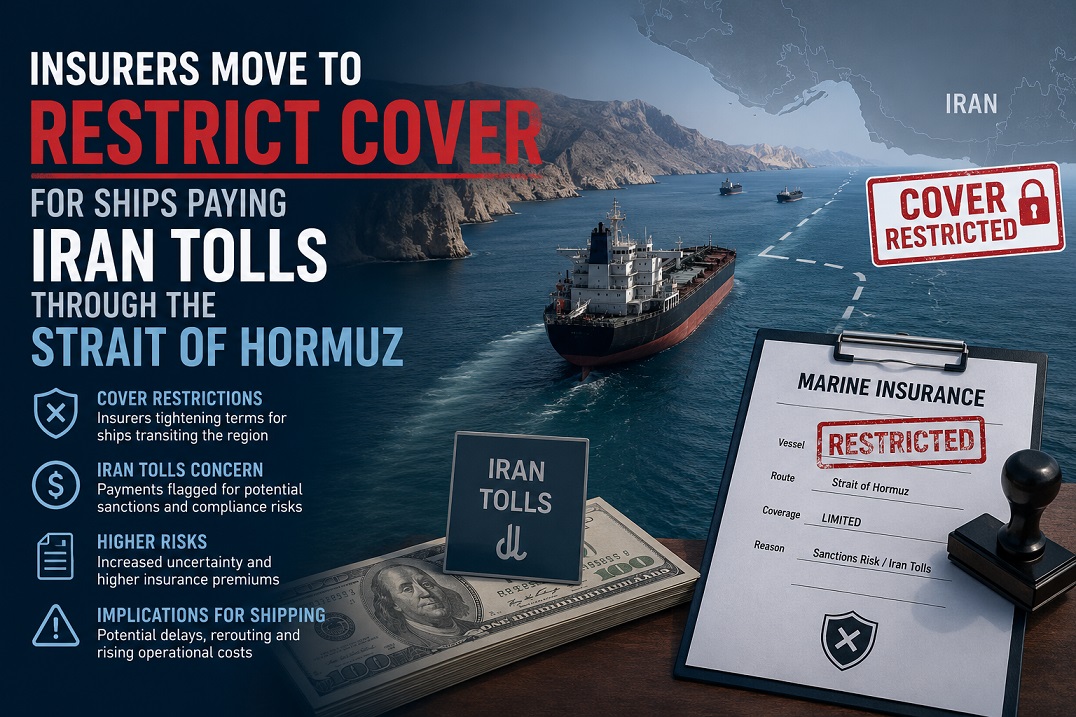
Insurers Move to Restrict Cover for Ships Paying Iran Tolls Through the Strait of Hormuz
July 2026 | Maritime Security & Insurance Desk
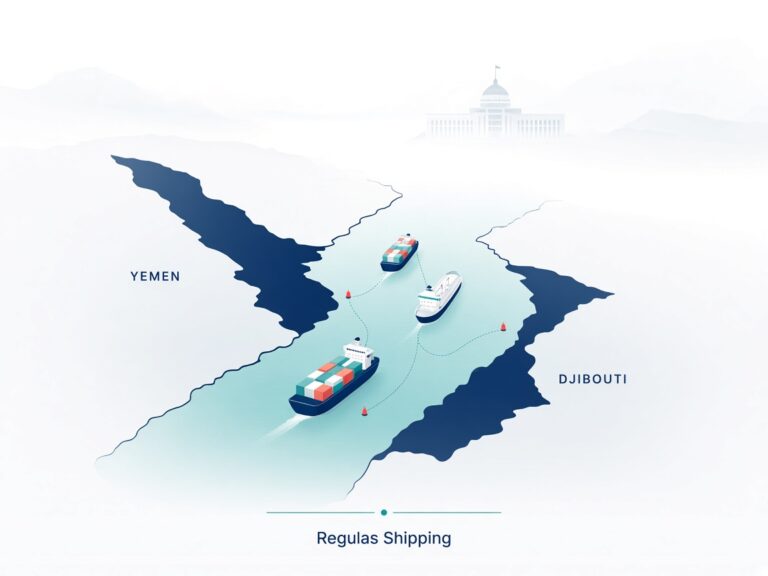
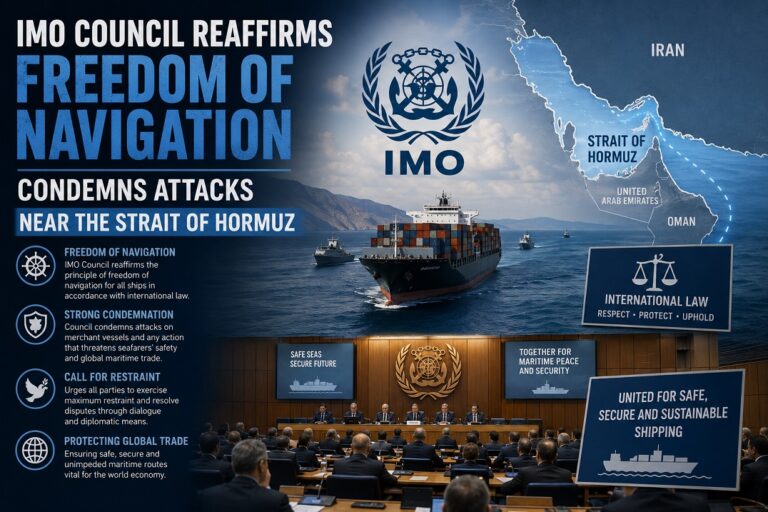
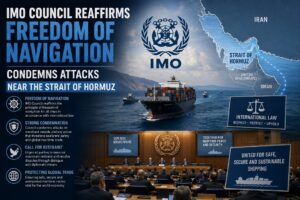
Marine insurers now have grounds to cancel policies for vessels that pay tolls to Iran, or to any other country, to transit the Strait of Hormuz, according to a major trade group representing the insurance market. The move adds a new and immediate compliance dimension to an already volatile transit corridor, on top of the physical security risks operators have been managing since the Strait was disrupted earlier this year.
What Changed
The clarification comes from a major insurance trade body and effectively puts owners on notice: if a vessel’s transit involves payment of a toll or fee to Iran to secure safe passage, the underlying insurance policy could be voided. This is a meaningful shift because informal toll or fee arrangements have, at various points during regional conflicts, been floated or used as a practical way for shipping companies to reduce transit risk. That workaround now carries a direct insurance consequence.
Why Insurers Are Acting Now
The announcement lands against a backdrop of sustained Gulf tension. Iranian officials have previously signaled they could extend restrictions beyond Hormuz to other export corridors if hostilities continue, and sanctions considerations around any payments to Iran create legal exposure for insurers as well as owners. From an underwriting standpoint, a toll payment can look less like a security measure and more like a sanctions-adjacent transaction, which insurers have strong reasons to keep at arm’s length.
Practical Implications for Owners and Charterers
- Any informal arrangement involving payment for safe passage through Hormuz should be treated as a potential coverage-voiding event
- War-risk underwriters are likely to require explicit warranties from owners confirming no such payments have been made
- Charterers should build this into fixture due diligence, particularly for vessels with a recent history of Gulf transits
- Compliance and legal teams should coordinate with technical and operations departments before any Hormuz transit, not after
A Compounding Risk Environment
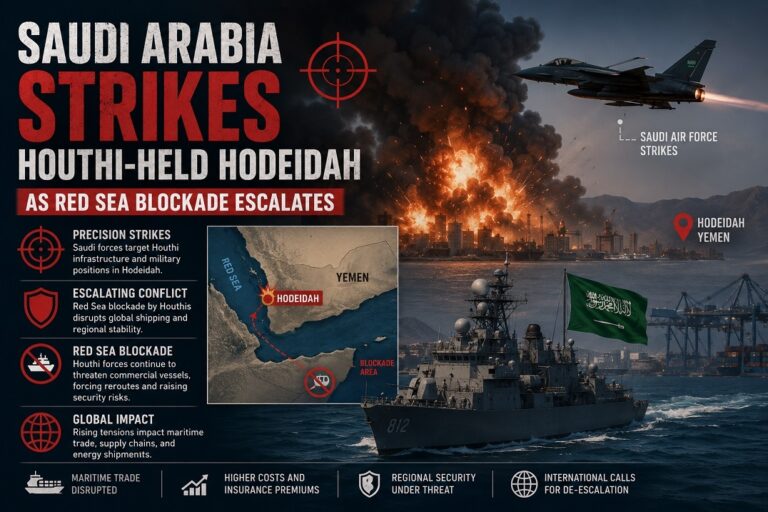
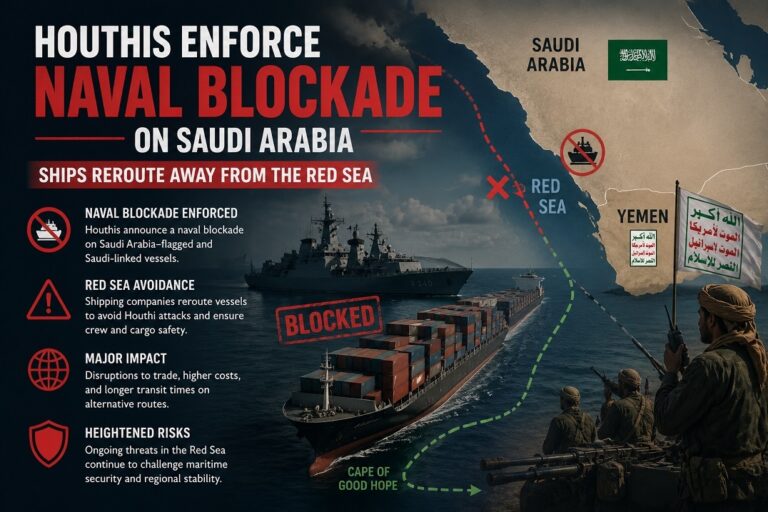
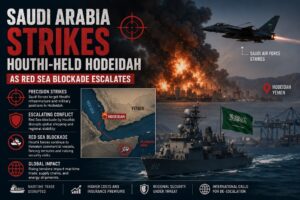
This insurance development does not exist in isolation. It arrives alongside continued volatility in the wider region, including the Houthi blockade actions further south in the Red Sea and ongoing uncertainty over the durability of the interim US-Iran arrangement reached earlier this summer. Owners transiting the Gulf now need to weigh physical security risk, sanctions risk, and insurance coverage risk simultaneously, rather than treating them as separate checklists.
The Bottom Line
The insurance market’s move to restrict cover for toll-paying vessels closes off what some operators may have viewed as a pragmatic risk-reduction option in the Strait of Hormuz. For fleet managers, the message is straightforward: any informal payment arrangement to secure passage is no longer just a security or sanctions question, it is now squarely an insurance question too, and one that could leave a vessel uninsured at the worst possible moment.
This article is based on publicly reported developments regarding marine insurance and Gulf transit risk. Owners and operators should consult their war-risk underwriters directly for policy-specific guidance.