Houthis Enforce Naval Blockade on Saudi Arabia, Ships Reroute Away From the Red Sea
July 2026 | Maritime Security Desk
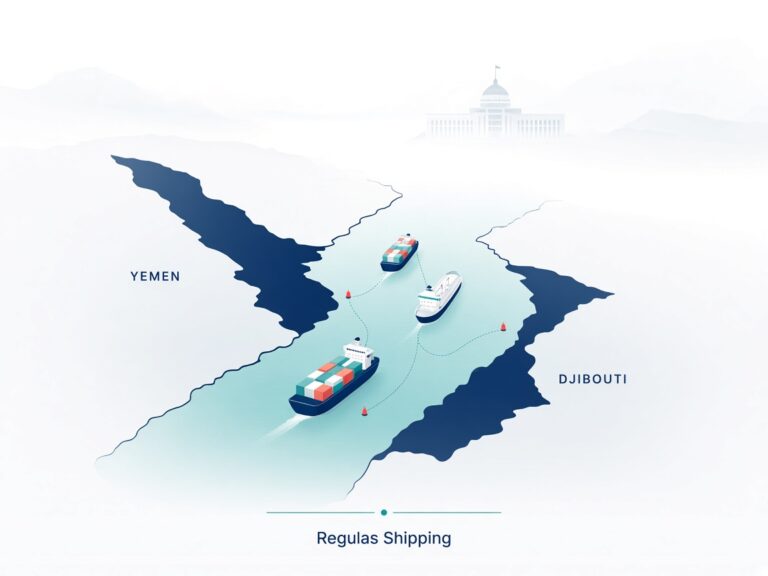
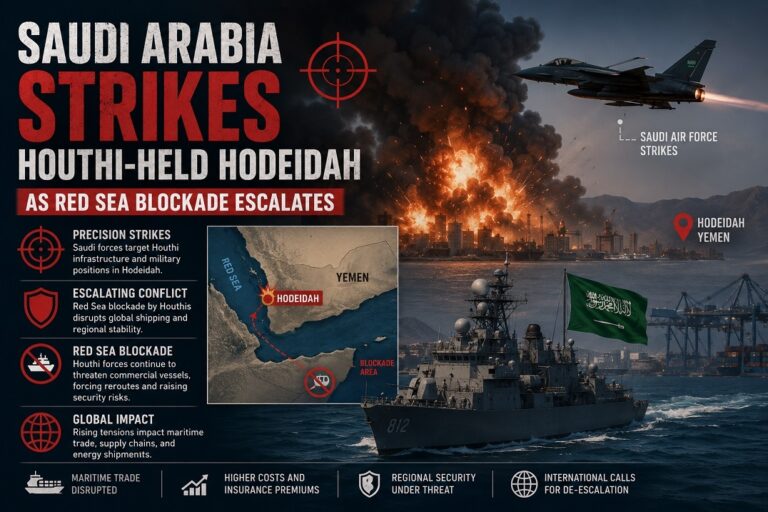
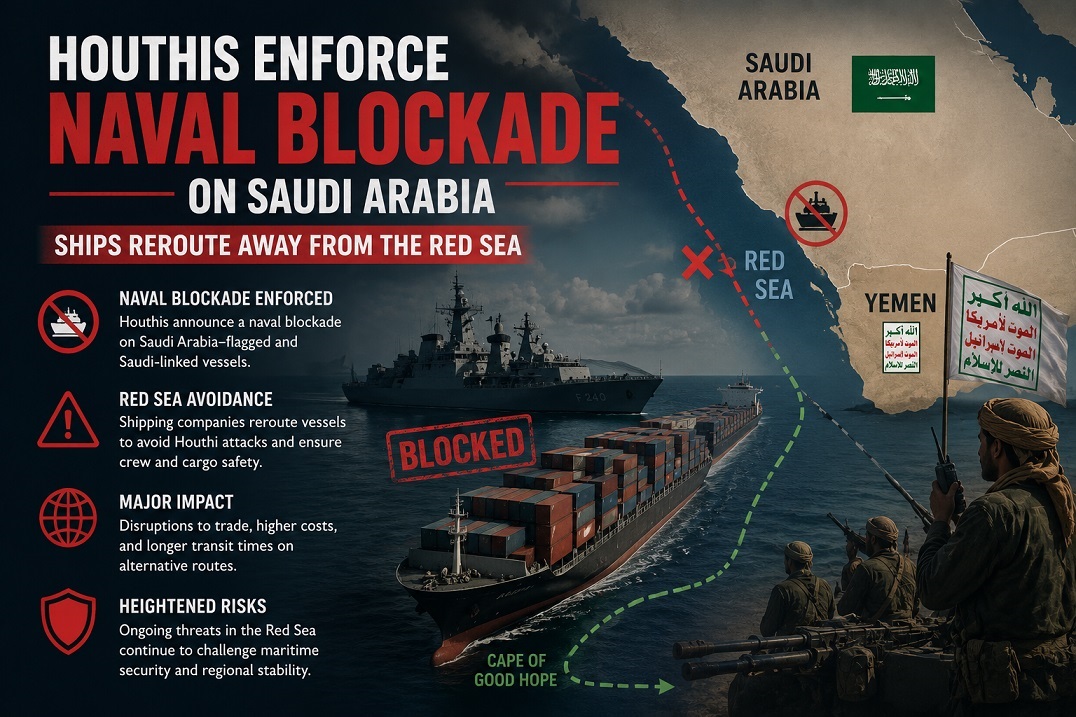
The Houthi movement in Yemen has moved from threat to enforcement, actively targeting Saudi-linked shipping as part of the naval blockade it declared against Saudi Arabia earlier this month. Vessels bound for Saudi ports are now being tracked reversing course before reaching the Bab el-Mandeb Strait, and at least one Saudi-linked tanker has sustained damage from a drone and missile strike. The escalation puts one of the world’s most important chokepoints back at the center of global shipping risk.
From Announcement to Enforcement
The blockade, framed by Houthi leadership as retaliation for a Saudi-linked strike on Sanaa’s international airport, is no longer just rhetoric. Reports indicate Houthi forces have struck Saudi oil tankers with drones and missiles after judging that the vessels had breached the blockade, with at least one ship sustaining confirmed damage.
Enforcement actions reported so far include:
- Targeted drone and missile strikes on tankers linked to Saudi cargo
- Multiple large vessels reversing course before entering the strait
- Ship-tracking data confirming a pattern of diversions rather than isolated incidents
- No confirmed Houthi rules yet on which flag states or cargo types are exempt
Why Bab el-Mandeb Matters
The strait connecting the Red Sea to the Gulf of Aden carries a substantial share of global trade and a meaningful portion of Saudi oil exports, which have been flowing in higher volumes through the Red Sea port of Yanbu since the wider regional conflict disrupted Gulf routes. A sustained closure would strip away one of the few alternative outlets Saudi Arabia has been relying on.
Operational effects already visible or expected include:
- Rising war-risk insurance premiums for any vessel with Saudi cargo or port calls
- Carriers reassessing routing decisions in real time rather than on fixed schedules
- Renewed pressure toward Cape of Good Hope diversions for affected trades
- Targeting uncertainty, since the Houthis have not clarified precise criteria for which vessels are at risk
A Familiar but More Complicated Pattern
The Houthis previously disrupted Red Sea shipping for over a year during the Gaza conflict, during which they permitted some Russian and Chinese-linked vessels to transit under negotiated arrangements. Whether similar accommodations apply this time is unclear, and the group’s past targeting record included strikes on vessels with only tenuous links to the stated adversary. That imprecision is itself a risk factor operators need to weigh, independent of whether their cargo is actually Saudi-linked.
Operational Guidance for Fleet Managers
- Review current and upcoming Bab el-Mandeb transits for any Saudi port calls or cargo linkages
- Confirm war-risk cover is current for vessels remaining in the wider Red Sea and Gulf of Aden area
- Maintain heightened bridge and deck watch with active SSAS readiness on affected routes
- Track UKMTO and MARAD advisories daily rather than relying on standing guidance, given how quickly the situation is moving
The Bottom Line
What began as a Houthi announcement has become an active enforcement campaign, and the shipping industry’s response — vessels turning back before entering the strait — shows operators are treating the threat as real rather than symbolic. Until there is more clarity on targeting criteria and any de-escalation track, fleet managers with exposure to this corridor should plan for continued disruption rather than a quick return to normal transit patterns.
This article is based on publicly reported developments regarding the Red Sea security situation. Conditions remain fluid and operators should verify current advisories before finalizing voyage plans.