Indian-Flagged Wooden Cargo Vessel Sinks Off Oman Following Suspected Attack
May 2026 | Maritime Security & Regional Trade Desk
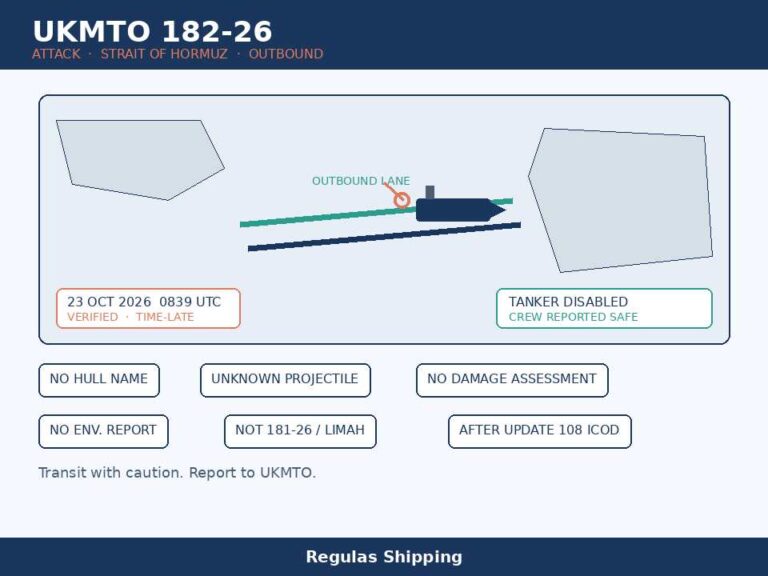
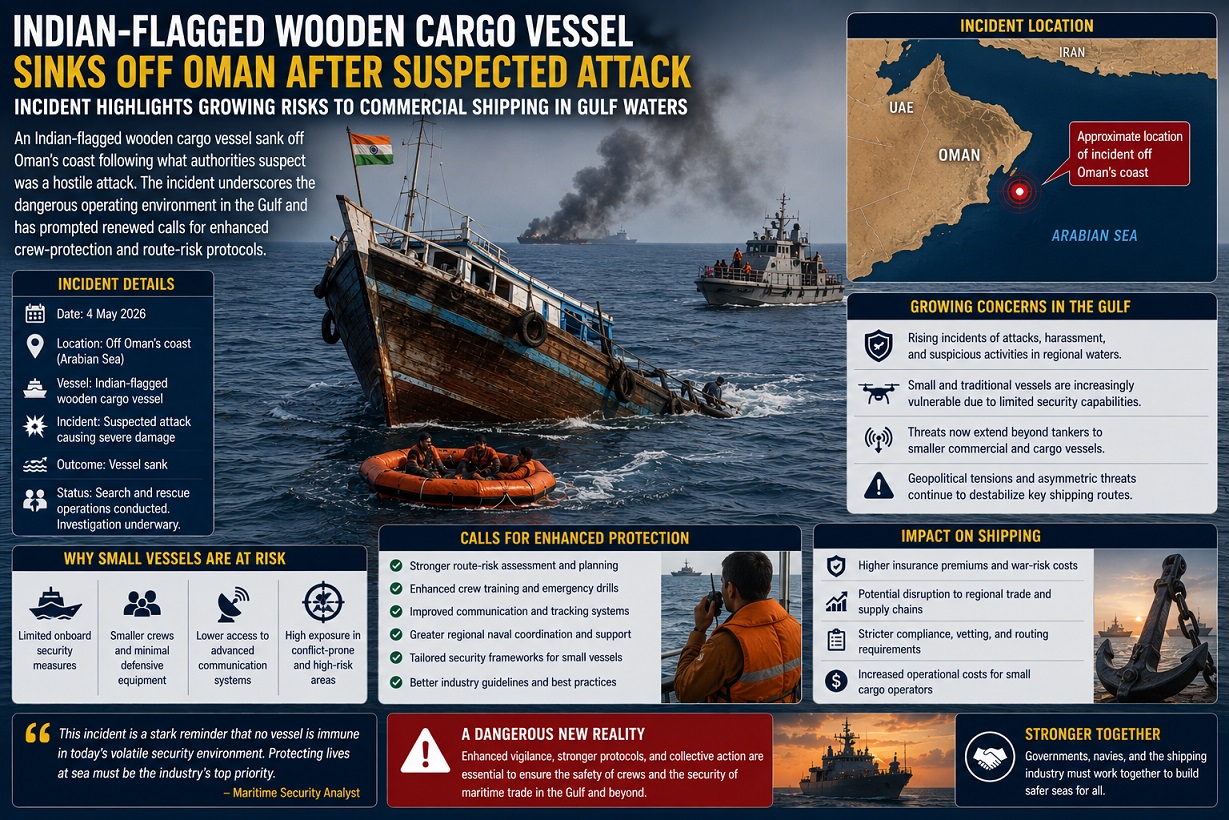
An Indian-flagged wooden cargo vessel has sunk off the coast of Oman following what authorities suspect was a hostile attack, adding to mounting concerns over the deteriorating security environment in Gulf and Arabian Sea shipping corridors.
The incident has intensified calls from maritime stakeholders for stronger crew-protection measures, improved risk assessment procedures, and enhanced security coordination for smaller commercial vessels operating in high-risk regional waters.
Incident Raises Fresh Alarm in Gulf Waters
According to preliminary maritime security reports, the vessel encountered distress conditions while operating near Omani waters before ultimately sinking.
Early indications suggest:
- The vessel may have been subjected to an external attack or hostile interference
- Significant structural damage was sustained before sinking
- Rescue and response operations were launched following distress alerts
- Investigations are ongoing into the exact cause of the incident
Authorities have not yet formally identified the nature of the suspected attack, though regional security agencies are treating the event as a serious maritime security concern.
Smaller Vessels Increasingly Vulnerable
Unlike large commercial tankers and container ships, traditional wooden cargo vessels often operate with:
- Limited onboard security capability
- Minimal defensive equipment
- Smaller crews and reduced communication infrastructure
- Lower access to advanced tracking and monitoring systems
Security experts warn that such vessels are particularly exposed in areas experiencing:
- Heightened geopolitical tension
- Piracy-style threats
- Smuggling-related violence
- Increased maritime militarization
The sinking highlights the growing vulnerability of smaller regional cargo operators navigating Gulf and Arabian Sea routes.
Dangerous Operating Environment Expands Beyond Major Tankers
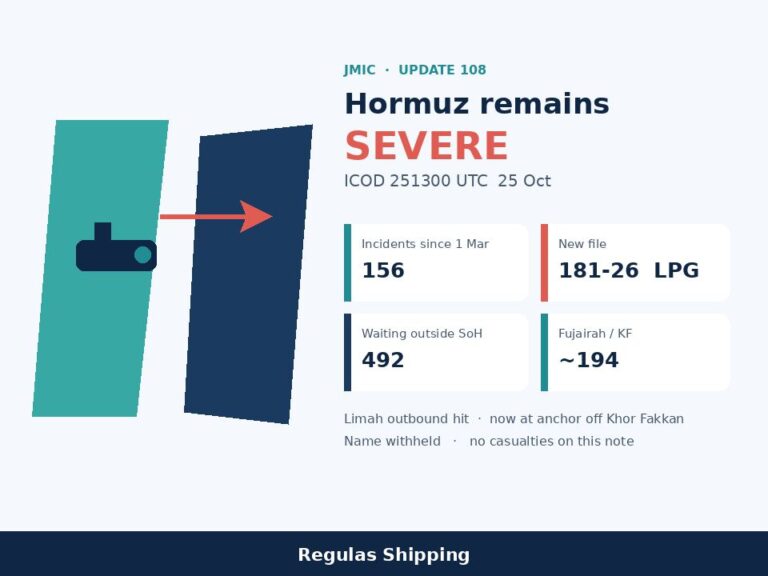
The Gulf region has witnessed a sharp rise in maritime security incidents over recent months, including:
- Vessel harassment and interception
- Drone and projectile-related attacks
- GPS and communication interference
- Suspicious approaches by unidentified craft
While much attention has focused on oil tankers and strategic energy shipments, the latest incident demonstrates that:
smaller commercial vessels are also increasingly exposed to regional instability.
Calls for Enhanced Crew Protection and Risk Protocols
Following the sinking, maritime industry bodies and security specialists are renewing calls for:
- Enhanced route-risk assessment procedures
- Improved emergency communication systems
- Stronger crew training for high-risk transit zones
- Expanded regional naval coordination
- Better protection standards for non-conventional cargo vessels
Some industry observers are also urging authorities to develop dedicated security frameworks for:
- Wooden dhows and traditional trading vessels
- Coastal cargo operators
- Small-scale regional maritime trade networks
Insurance and Compliance Pressures Likely to Increase
The incident is expected to further influence:
- War-risk insurance costs
- Gulf transit advisories
- Vessel routing decisions
- Chartering conditions for regional operators
Insurers and shipping companies are increasingly factoring in not only geopolitical escalation, but also the unpredictability of asymmetric maritime threats affecting smaller vessels.
Strategic Importance of Gulf Regional Trade
Traditional cargo vessels continue to play a significant role in regional commerce across:
- Oman
- UAE
- Iran
- India
- East African trading corridors
They transport:
- Food supplies
- Construction materials
- Consumer goods
- Agricultural cargoes
Any sustained increase in security threats could disrupt smaller-scale trade flows that remain vital for regional economies and coastal communities.
The Bottom Line
The sinking of the Indian-flagged wooden cargo vessel off Oman underscores the increasingly dangerous operating environment across Gulf shipping routes.
As maritime insecurity spreads beyond large tankers to smaller commercial operators, pressure is growing on governments, naval authorities, and the shipping industry to strengthen crew safety, improve risk-management protocols, and adapt to a rapidly evolving threat landscape in one of the world’s most strategically sensitive maritime regions.