June 2026 | Global Maritime Trade & Logistics Desk
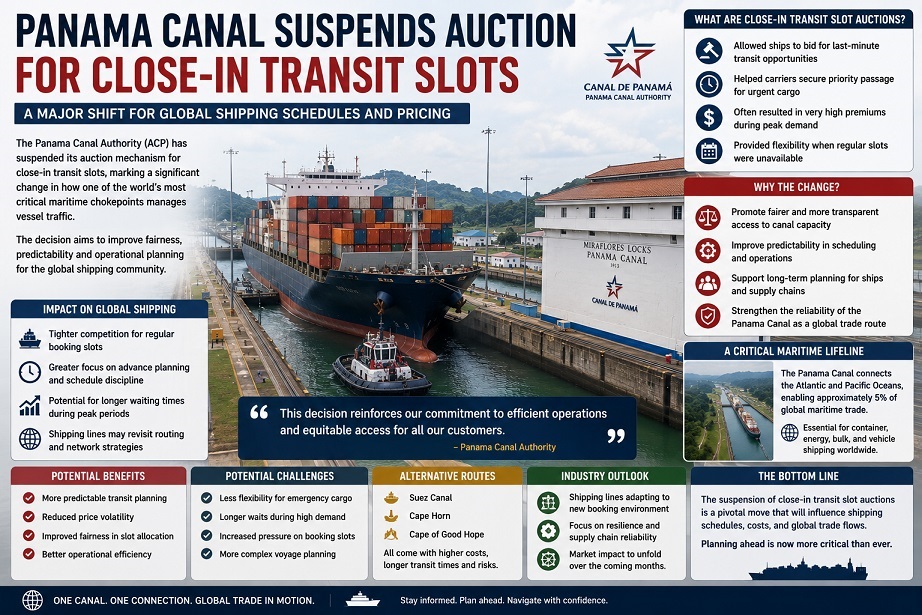
In a significant development for the global maritime industry, the Panama Canal Authority (ACP) has announced the suspension of its auction mechanism for close-in transit slots, marking one of the most consequential changes to canal traffic management in recent years. The move is expected to influence vessel scheduling, freight pricing, and supply-chain planning across multiple shipping sectors.
For shipowners and charterers worldwide, the Panama Canal remains a vital maritime artery connecting the Atlantic and Pacific Oceans. Any operational change affecting canal access has immediate implications for global trade flows, particularly for container shipping, LNG carriers, dry bulk vessels, and tankers.
What Are Close-In Transit Slot Auctions?
The Panama Canal’s close-in transit slot auctions allowed shipping companies to bid for last-minute transit opportunities when regular booking slots were unavailable or when urgent cargo requirements arose.
These auctioned slots offered:
- Priority canal access for time-sensitive cargo.
- Greater flexibility for vessel scheduling.
- Opportunities to avoid costly delays.
- Market-based allocation during periods of heavy demand.
However, transit slot auctions have also resulted in exceptionally high premiums during supply-chain disruptions, with some shipping companies paying hundreds of thousands—and occasionally millions—of dollars to secure priority passage during peak congestion periods.
The suspension of this mechanism signals a shift toward greater predictability in canal operations and slot allocation.
Implications for Global Shipping
The Panama Canal handles approximately 5% of global maritime trade, making operational changes particularly significant for international commerce.
Industries likely to be affected include:
- Container shipping
- Crude oil transportation
- LNG and LPG shipping
- Dry bulk commodity markets
- Vehicle carriers
- Refrigerated cargo operators
Without close-in slot auctions, carriers may need to rely more heavily on:
- Advance transit reservations
- Longer voyage planning cycles
- Alternative routing strategies
- Improved schedule optimization
The change may particularly affect operators that frequently utilize premium transit services for urgent cargo movements.
Potential Impact on Freight Markets
Shipping analysts expect the suspension to have several market implications.
Potential Benefits
- Greater predictability in transit scheduling.
- Reduced price volatility for last-minute transit access.
- Improved fairness in slot allocation.
- Better operational planning for carriers.
Potential Challenges
- Reduced flexibility during emergencies.
- Longer waiting periods during peak demand.
- Increased competition for regular booking slots.
- Greater pressure on voyage planning and scheduling.
For liner operators operating tightly coordinated global networks, even minor delays can have cascading effects across multiple ports and services.
Supply Chains Continue to Recover
The announcement comes as global supply chains continue adapting to:
- Geopolitical tensions.
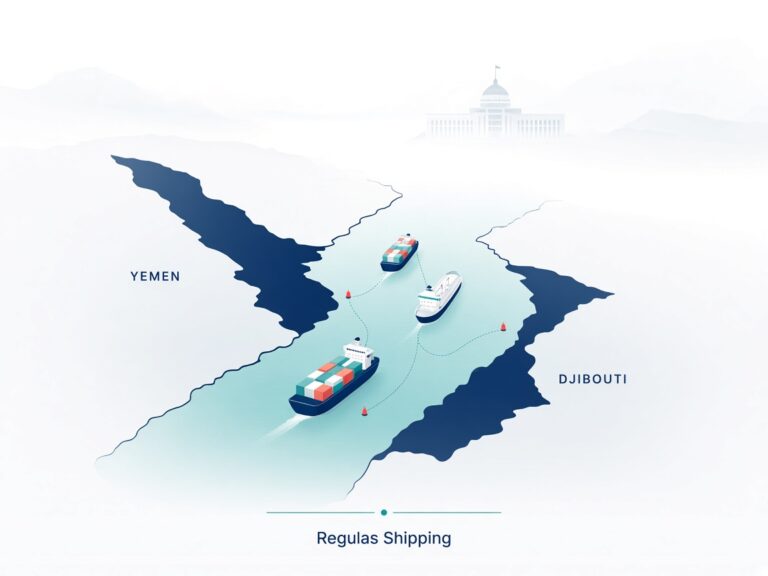
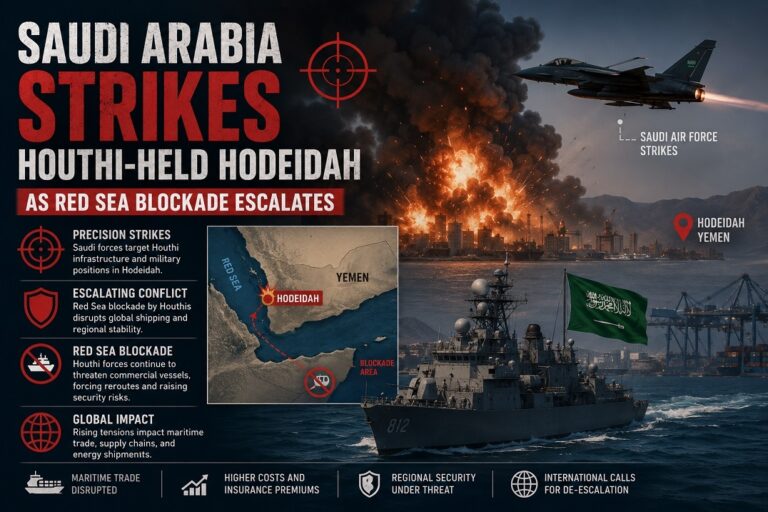
- Red Sea shipping disruptions.
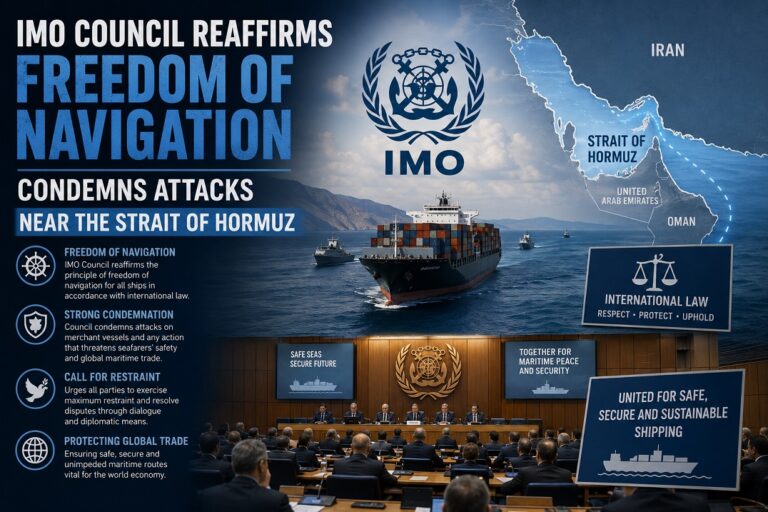
- Strait of Hormuz-related uncertainties.
- Climate-related operational challenges.
- Fluctuating freight markets.
The Panama Canal has become increasingly important in recent months as shipping companies seek alternative routes amid disruptions affecting traditional maritime corridors.
Growing utilization by container carriers and commodity traders has further elevated the canal’s strategic importance within global logistics networks.
Alternative Routes Remain Costly
For vessels unable to secure Panama Canal transits, alternative routing options include:
- The Suez Canal.
- Cape Horn.
- The Cape of Good Hope.
- North American intermodal transportation networks.
However, each alternative presents its own challenges in terms of:
- Transit time.
- Fuel consumption.
- Canal tolls.
- Security considerations.
- Environmental impacts.
Consequently, efficient access to the Panama Canal remains commercially critical for many operators.
Industry Reaction
Market participants are closely monitoring how the suspension affects:
- Transit slot availability.
- Freight pricing.
- Canal waiting times.
- Vessel deployment strategies.
- Charter market dynamics.
Container shipping lines may benefit from improved schedule certainty if canal capacity is allocated more efficiently, while tramp shipping operators could face greater constraints when responding to short-notice cargo opportunities.
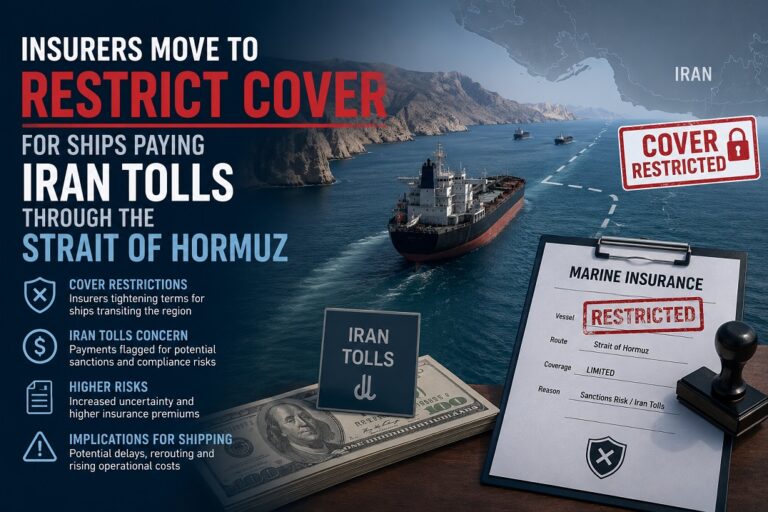
Insurance providers and commodity traders are also expected to assess whether changes in transit allocation influence broader supply-chain resilience.
Strategic Importance Continues to Grow
The Panama Canal remains one of the world’s most strategically important maritime chokepoints, facilitating the movement of:
- Consumer goods.
- Agricultural commodities.
- Energy products.
- Industrial materials.
- Manufactured exports.
Its role has become even more significant as geopolitical developments increasingly influence traditional East-West trade corridors.
With global shipping simultaneously managing disruptions in other major maritime regions, operational stability within the Panama Canal has become increasingly important for maintaining supply-chain continuity.
The Bottom Line
The suspension of close-in transit slot auctions represents far more than an administrative change—it reflects the evolving realities of modern maritime logistics, where predictability, capacity management, and operational resilience are becoming increasingly important.
While the move may improve transparency and reduce premium pricing volatility, it will also require shipping companies to adopt more disciplined voyage planning strategies in an already complex global trading environment.
For the maritime industry, the message is clear: access to strategic waterways is becoming increasingly dependent not only on geography but also on operational agility and supply-chain resilience.
As global trade routes continue to evolve, the Panama Canal remains indispensable to international commerce—making even seemingly modest policy changes capable of influencing shipping markets far beyond its shores.