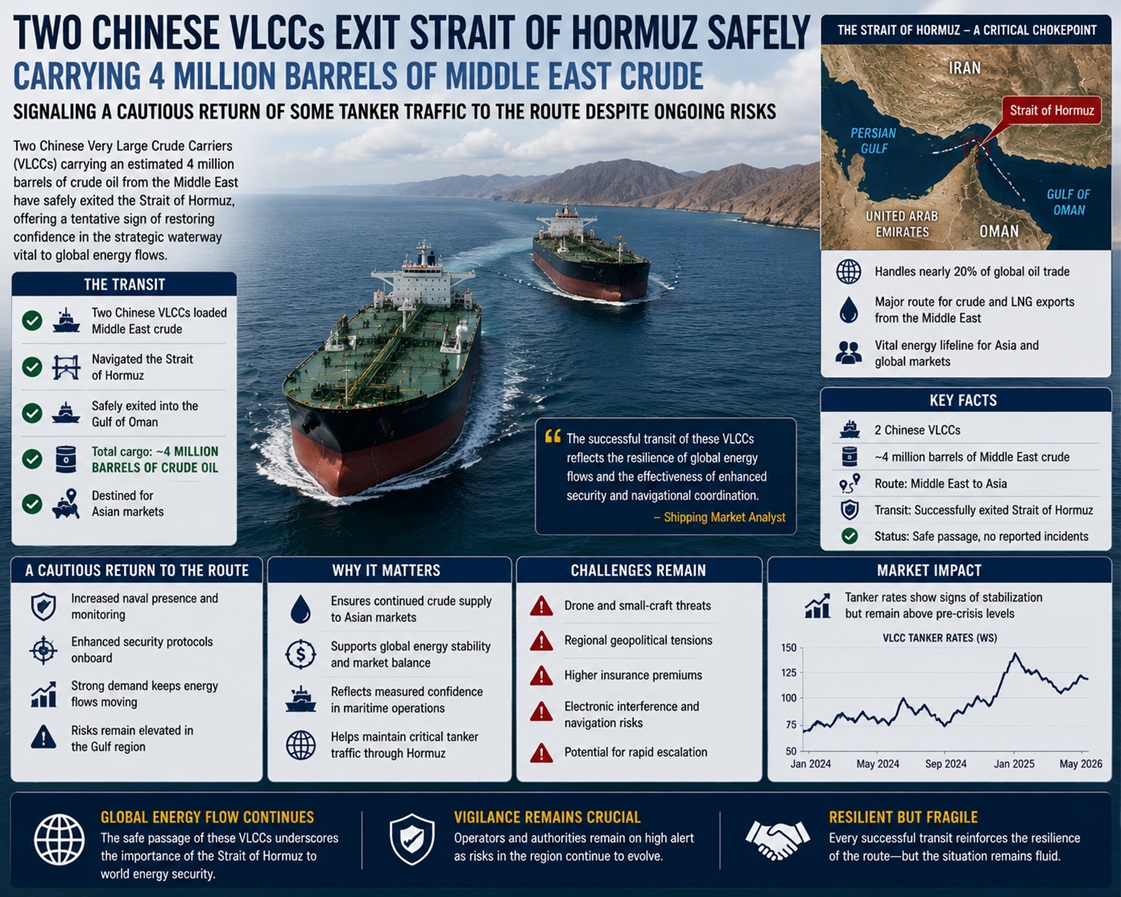
Chinese VLCCs Exit Strait of Hormuz Safely, Signaling Cautious Recovery in Gulf Tanker Traffic
May 2026 | Energy Shipping & Maritime Markets Desk
Two large Chinese Very Large Crude Carriers (VLCCs) carrying an estimated 4 million barrels of Middle Eastern crude have successfully exited the Strait of Hormuz, offering a tentative sign that parts of the global tanker market are cautiously resuming operations through the strategically critical but still high-risk waterway.
The transit is being closely watched by energy traders, shipowners, and insurers as global shipping attempts to adapt to continuing instability across the Gulf region.
Major Crude Cargoes Successfully Clear Hormuz
According to maritime tracking and shipping-market sources, the two Chinese-linked VLCCs completed their passage through the Strait of Hormuz without incident while transporting crude oil cargoes destined for Asian markets.
The combined cargo volume of approximately:
- 4 million barrels of crude oil
- Represents a significant strategic energy movement
- Highlights continued Asian dependence on Gulf exports
The successful transit comes amid heightened maritime-security concerns and ongoing regional disruptions that have impacted commercial shipping confidence in recent months.
A Cautious Return of Tanker Activity
Shipping analysts say the movement of such large crude carriers may indicate:
- Gradual normalization of selected tanker operations
- Increased confidence in naval monitoring and escort measures
- Strong market pressure to maintain Gulf energy flows
However, industry observers stress that this does not signal a full return to normal conditions.
Commercial operators remain concerned about:
- Drone and small-craft attack risks
- Military escalation scenarios
- Electronic interference and GPS disruption
- Elevated insurance exposure in Gulf waters
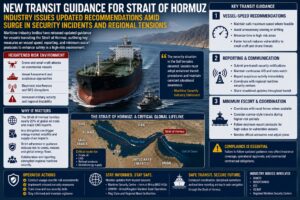
Hormuz Remains a Critical Global Energy Lifeline
The Strait of Hormuz continues to serve as one of the world’s most important energy chokepoints, handling:
- Nearly 20% of global oil trade
- Major LNG exports from Gulf producers
- Critical crude shipments to China, India, Japan, and South Korea
Any sustained disruption to the corridor can rapidly affect:
- Global oil prices
- Freight and tanker markets
- Refinery supply chains
- Energy-security planning across Asia
The safe passage of the Chinese VLCCs is therefore being viewed as an important operational development for energy markets.
Chinese Energy Demand Continues Driving Gulf Trade
China remains one of the largest importers of Middle Eastern crude, and the movement of large VLCC cargoes underscores:
- Ongoing demand resilience in Asian energy markets
- Strategic reliance on Gulf supply routes
- The importance of uninterrupted tanker access through Hormuz
Despite geopolitical uncertainty, crude flows toward Asia have remained comparatively strong as refiners seek to maintain stable supply chains.
War-Risk Premiums and Security Costs Stay Elevated
Although tanker transits continue, the Gulf operating environment remains expensive and highly complex.
Shipowners navigating the route are facing:
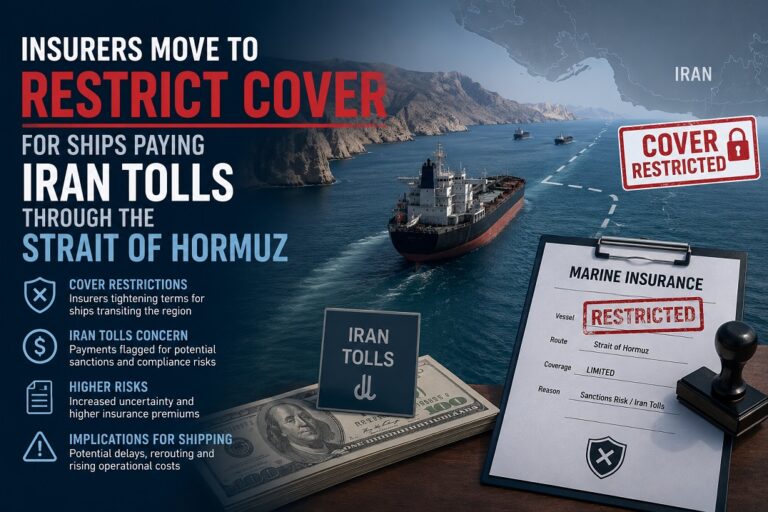
- Elevated war-risk insurance premiums
- Additional onboard security requirements
- Expanded reporting and naval coordination procedures
- Higher voyage and operational costs
Some operators are also:
- Adjusting transit timing
- Increasing security staffing
- Monitoring convoy and escort arrangements more closely
Shipping Industry Balancing Risk and Necessity
The successful movement of the Chinese VLCCs reflects the broader dilemma facing the maritime industry:
- Gulf routes remain risky
- But alternative energy-shipping options are limited
As a result, commercial shipping is increasingly operating under a model of:
- Controlled risk acceptance
- Enhanced security coordination
- Flexible operational planning
Industry experts note that tanker traffic is unlikely to stop entirely unless regional tensions escalate dramatically.
The Bottom Line
The safe exit of two Chinese VLCCs carrying approximately 4 million barrels of Middle Eastern crude through the Strait of Hormuz signals a cautious but important return of tanker traffic through the region.
While the route remains operational, the Gulf continues to function under elevated security pressure, where every successful transit reinforces both the resilience and fragility—of global energy shipping.