Hormuz Reopens Unevenly as Tanker Traffic Returns Amid Persistent Security and Insurance Uncertainty
July 2026 | Global Shipping & Energy Markets Desk
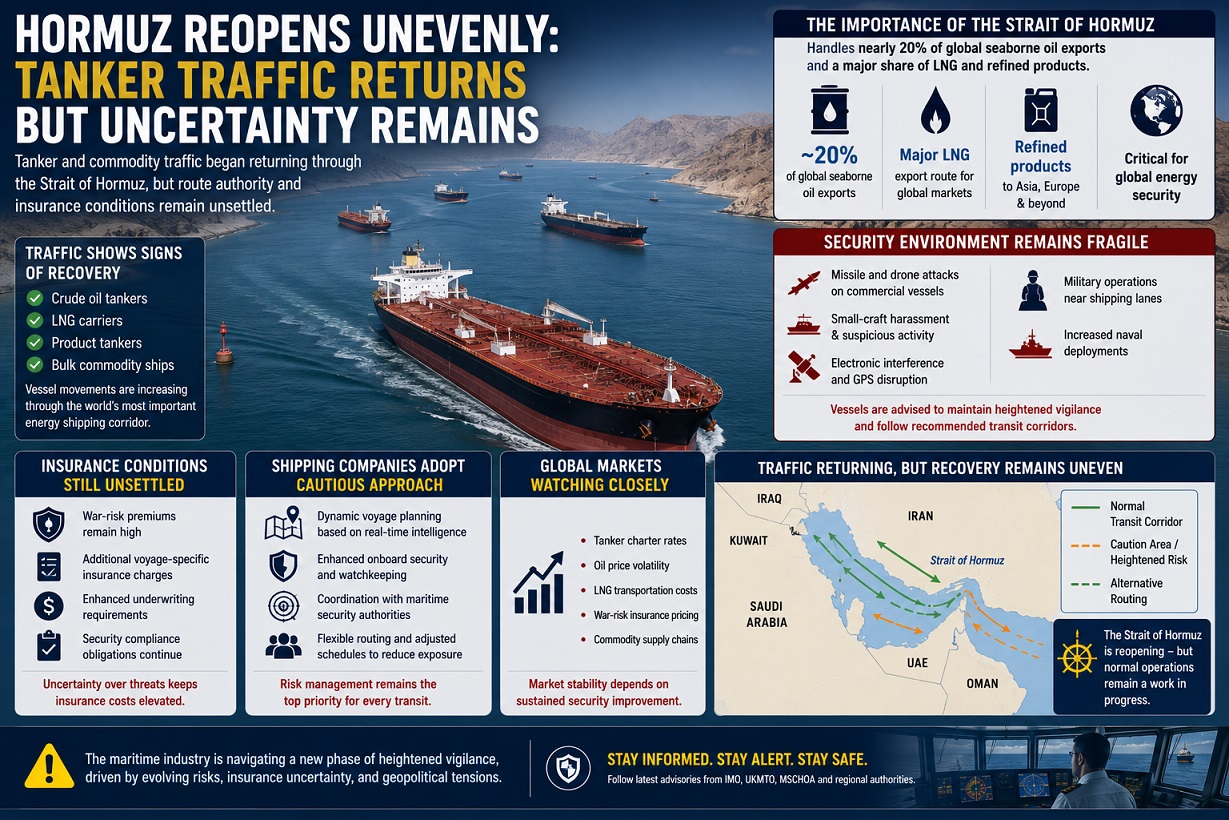
Commercial shipping through the Strait of Hormuz is showing cautious signs of recovery as tanker and commodity vessels gradually return to one of the world’s most strategically important maritime corridors. However, despite increasing vessel movements, the route remains far from normal, with security concerns, insurance costs, and operational restrictions continuing to shape shipping decisions.
Industry analysts describe the current situation as an “uneven reopening,” where commercial activity is resuming but under significantly heightened risk management and ongoing geopolitical uncertainty.
Tanker Traffic Begins to Recover
Recent vessel-tracking data indicates a gradual increase in:
- Crude oil tanker transits
- LNG carrier movements
- Product tanker operations
- Bulk commodity shipments
The return of commercial traffic reflects the critical importance of the Strait of Hormuz, which remains the primary export route for Gulf energy producers supplying markets across Asia and Europe.
While more vessels are once again navigating the waterway, many operators continue to adopt cautious transit strategies and enhanced security measures.
Energy Supply Chains Resume, but Cautiously
The reopening is particularly significant for global energy markets, as the Strait of Hormuz handles:
- Nearly 20% of global seaborne crude oil exports
- A substantial share of global LNG shipments
- Major refined petroleum product exports
- Strategic energy supplies destined for India, China, Japan, South Korea, and Europe
Energy companies are gradually restoring shipping schedules, but many continue to monitor regional developments closely before committing to normal operating patterns.
Security Environment Remains Fragile
Despite improving vessel traffic, maritime security agencies continue to classify the Gulf as a high-risk operating environment.
Recent months have seen:
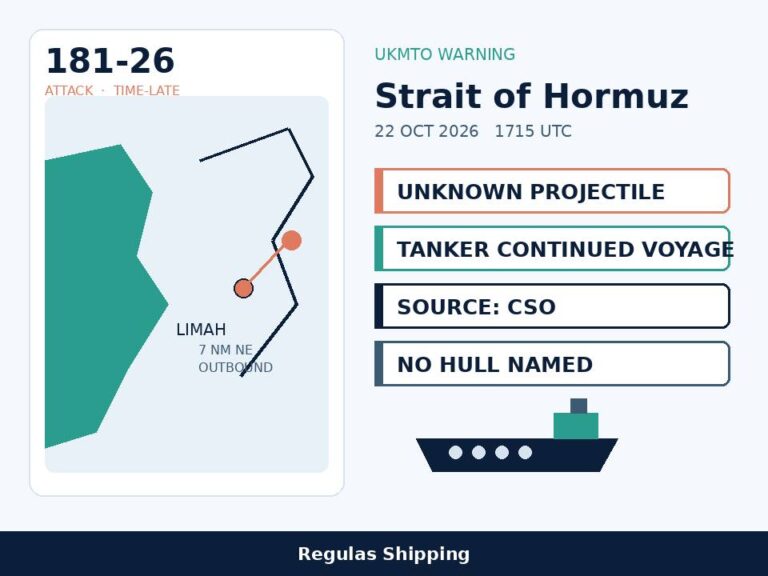
- Missile and drone attacks on commercial vessels
- Small-craft harassment
- Electronic interference and GPS disruption
- Military operations near shipping lanes
- Increased naval deployments
As a result, merchant vessels continue to receive guidance to:
- Maintain heightened vigilance
- Follow recommended transit corridors
- Coordinate with regional maritime security authorities
- Report suspicious activity immediately
Insurance Conditions Still Unsettled
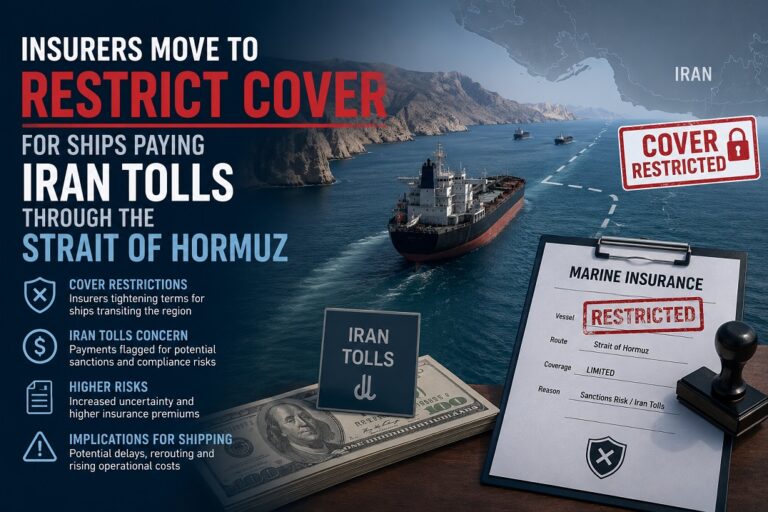
One of the biggest challenges facing shipowners remains the uncertainty surrounding war-risk insurance.
Marine insurers continue to assess:
- Regional threat levels
- Frequency of security incidents
- Military activity
- Political developments affecting Gulf navigation
Many vessels transiting Hormuz remain subject to:
- Elevated war-risk premiums
- Additional voyage-specific insurance charges
- Enhanced underwriting requirements
- Security compliance obligations
For some operators, insurance costs remain one of the primary factors influencing voyage planning.
Shipping Companies Continue to Balance Risk and Cost
While commercial traffic is increasing, many carriers are maintaining flexible routing strategies.
Current operational approaches include:
- Dynamic voyage planning based on daily intelligence
- Adjusted transit schedules to reduce exposure
- Enhanced onboard security procedures
- Continuous monitoring of regional advisories
- Coordination with naval reporting centers
Some operators continue to divert selected cargoes through alternative routes where commercially viable, while others have resumed Hormuz transits due to the lack of practical alternatives for Gulf energy exports.
Global Freight Markets Watching Closely
The gradual return of shipping through Hormuz has provided cautious optimism for freight and energy markets.
However, uncertainty continues to influence:
- Tanker charter rates
- Oil price volatility
- LNG transportation costs
- War-risk insurance pricing
- Commodity supply-chain planning
Market participants believe that sustained stability will be required before shipping conditions return to pre-crisis levels.
Industry Outlook: Recovery With Continued Vigilance
Maritime analysts suggest that the Strait of Hormuz is entering a new operational phase where commercial navigation continues under enhanced security rather than normal peacetime conditions.
The industry is increasingly adapting to:
- Permanent geopolitical uncertainty
- Intelligence-driven voyage planning
- Higher security operating costs
- Closer coordination between commercial shipping and naval authorities
Rather than expecting a rapid return to previous operating conditions, shipowners are preparing for a prolonged period of heightened vigilance and operational flexibility.
The Bottom Line
The gradual return of tanker and commodity traffic through the Strait of Hormuz marks an encouraging step toward restoring one of the world’s most vital maritime trade routes. However, the recovery remains uneven.
While commercial vessels are once again moving through the corridor, unresolved security risks, elevated insurance premiums, and evolving geopolitical tensions continue to shape every voyage.
For the global maritime industry, the message is clear: Hormuz is reopening—but normal operations remain a work in progress.