Strait of Hormuz Tensions Escalate After U.S. Seizure of Iranian Vessel
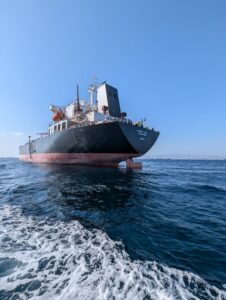
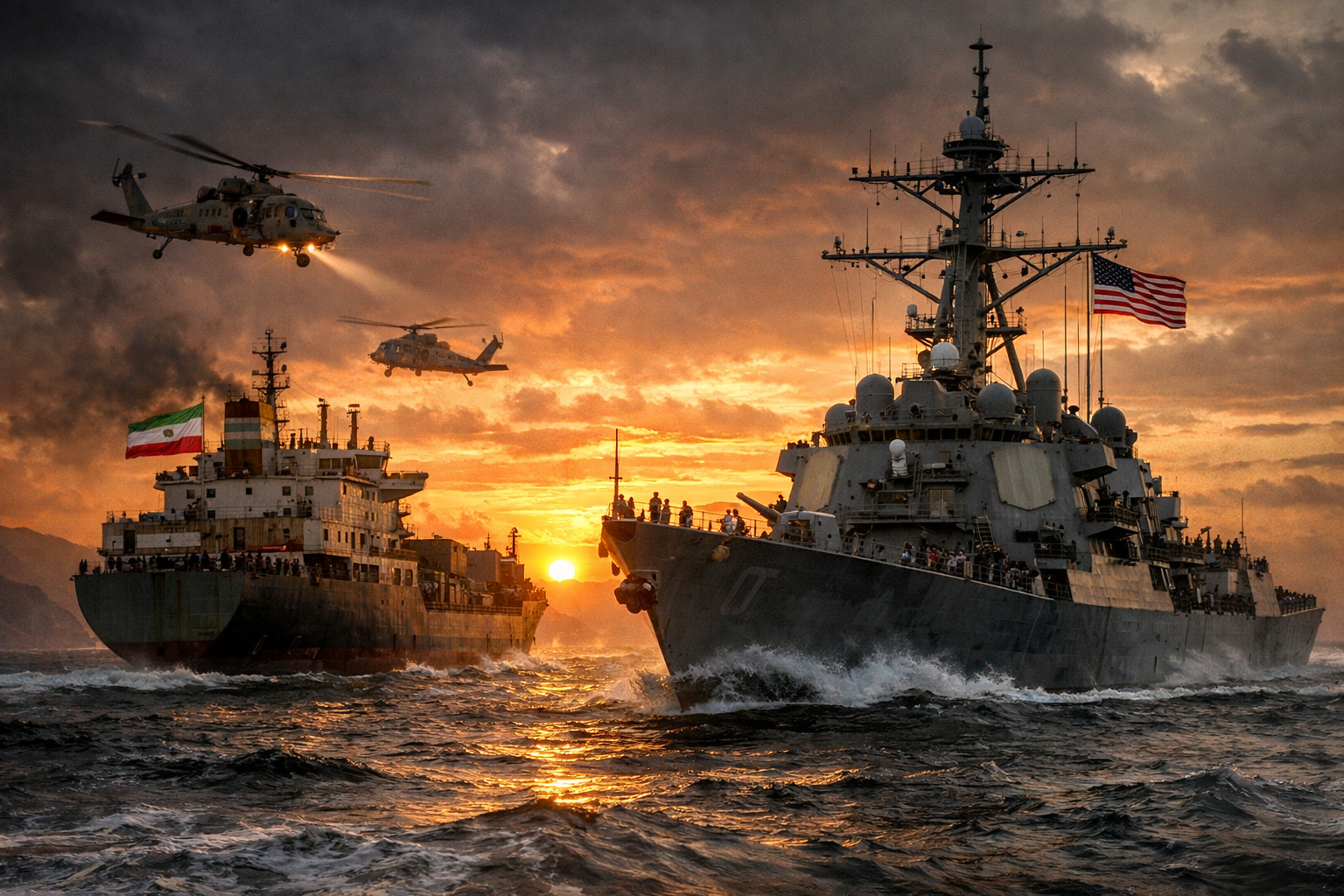
Tensions in the Middle East have intensified once again as the —a critical artery for global energy shipments—returns to the center of geopolitical friction. The latest flashpoint follows the interception and seizure of an Iranian-flagged cargo vessel, the Touska, by the in the nearby .
According to U.S. officials, the operation was carried out after the vessel allegedly violated an established naval blockade. The Navy reported that the Touska was disabled before being boarded and seized without casualties. American authorities claim the action was necessary to enforce maritime security measures and uphold international navigation protocols in a region increasingly marked by military posturing.
Iran, however, has strongly condemned the incident. Officials from the described the seizure as an “act of aggression” and warned of potential consequences. Iranian state media has disputed the U.S. account, insisting the vessel was engaged in lawful commercial activity and posed no threat to regional stability.
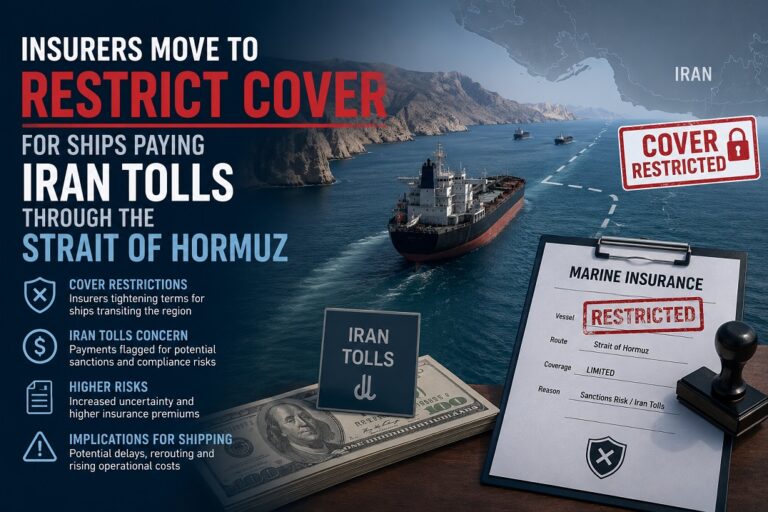
The Strait of Hormuz, through which roughly a fifth of the world’s oil supply passes, has long been a geopolitical chokepoint. Any disruption to shipping in this corridor can send shockwaves through global energy markets. Analysts warn that renewed tensions could lead to increased insurance costs for tankers, rerouting of vessels, and potential volatility in oil prices.
Security experts note that incidents like this often reflect broader strategic rivalries rather than isolated disputes. The United States maintains a significant naval presence in the region to safeguard shipping lanes, while Iran has repeatedly asserted its influence over the strait, occasionally threatening to restrict access in response to sanctions or military pressure.
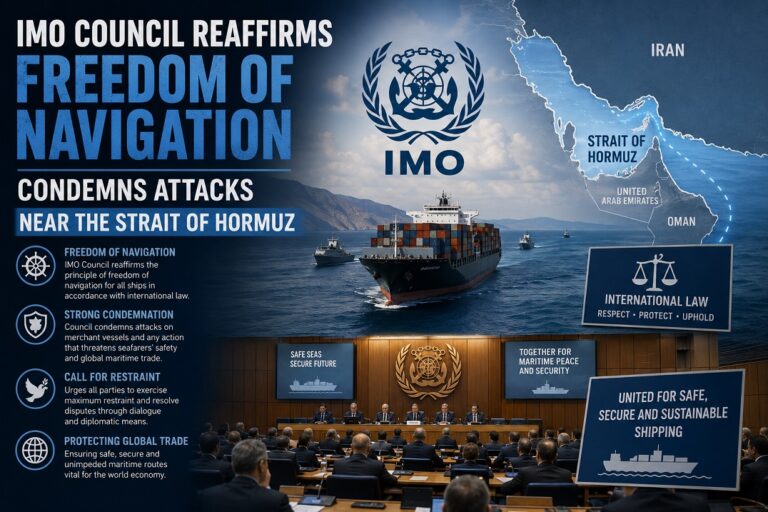
International reactions have been cautious but concerned. Several European and Asian nations, heavily dependent on Gulf oil, have called for restraint and urged both sides to de-escalate. Maritime organizations are also closely monitoring the situation, emphasizing the importance of keeping critical sea routes open and secure.
As diplomatic channels remain strained, the seizure of the Touska underscores how quickly tensions can escalate in one of the world’s most strategically vital waterways. With both sides standing firm, the risk of further confrontation in the Strait of Hormuz remains a pressing concern for global security and economic stability.