On Tuesday, 8 September 2026, Yemen’s Iran-aligned Houthi movement struck energy and utility sites in southern Saudi Arabia in what the group’s military spokesman, Yahya Saree, called a “broad operation.” Saudi authorities said at least 73 people were wounded, including women and children, and that fires broke out at oil installations and utilities in Abha, Khamis Mushait, Jazan and Najran. The Houthis said they had used drones and ballistic missiles against Saudi Aramco facilities. Southern Saudi Arabia includes the Jazan refinery complex, rated at about 400,000 barrels per day, and the Jazan City for Primary and Downstream Industries on the Red Sea coast. Riyadh condemned the attacks, said it would defend itself, and left a diplomatic channel open. The United Arab Emirates, in its condemnation, separately criticised the continued targeting of commercial vessels in the Red Sea.
The same 48 hours saw fighting inside Yemen concentrate on the approaches to the Bab el-Mandeb Strait. Government-aligned forces reported air and ground operations in Hodeidah, Taiz, al-Jawf, Marib and al-Bayda, and said they intended eventually to retake Sanaa. Houthi units have been pushing toward government-held ground near al-Makha (Mocha) and the western coast that sits on the strait. The World Health Organization put casualties in Yemen at at least 728 killed or wounded since 23 August, with displacement from Taiz already in the tens of thousands. Those figures are a humanitarian record, not a shipping circular — but they describe the same campaign that is trying to deepen Houthi reach over the waterway that joins the Red Sea to the Gulf of Aden.
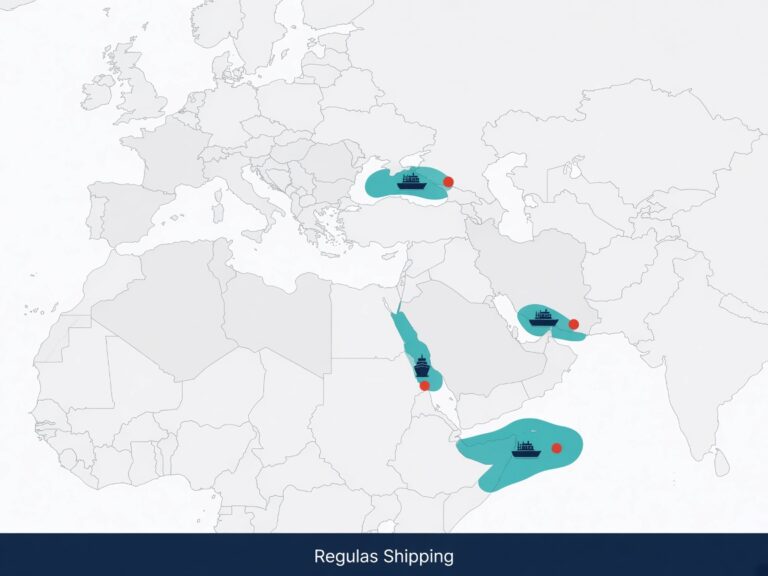
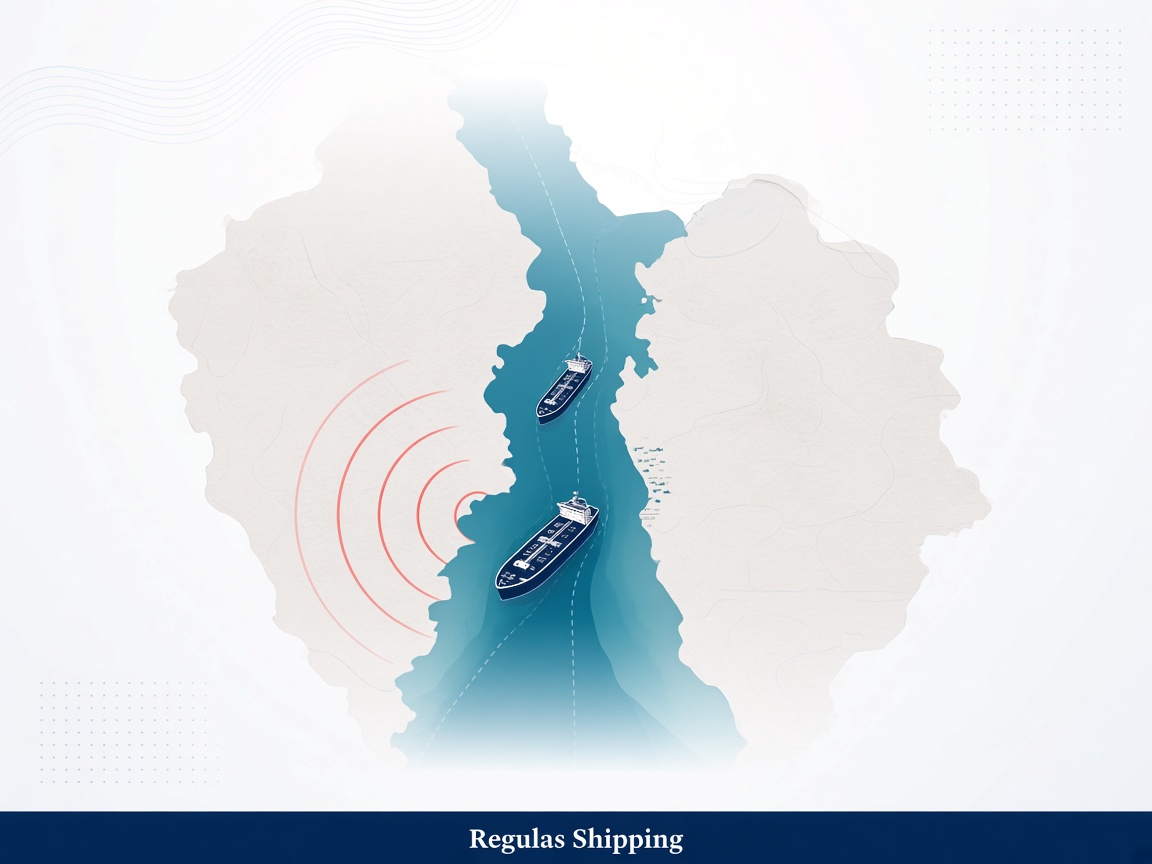
The operational point for masters and CSOs is the dual-chokepoint geometry, not the communiqués. Iran’s restrictions on the Strait of Hormuz have already forced a large share of Saudi crude off the Gulf and onto the Red Sea export system through Yanbu and related west-coast terminals. Between March and mid-July, Saudi seaborne crude moving through Bab el-Mandeb was reported at eight times the same period in 2025. In 2024 the strait still carried about 4.1 million barrels a day of crude and products, roughly 5 percent of the global total. After the Houthis declared a maritime blockade of Saudi-linked shipping in July, loadings for that southern Red Sea route were cut back and some cargoes were sent north through Suez and the SUMED system — a workaround that adds weeks for Asian discharge and does not restore a safe southern transit. Tuesday’s strikes on Red Sea-coast energy infrastructure sit on top of that already-broken workaround.
Nationality of ownership is a weak filter. The Houthis say the July blockade is aimed at Saudi-linked ships and Saudi Red Sea ports. During earlier Red Sea campaigns the same group attacked hulls with little or no commercial link to the stated political target. The August hit on the Egyptian-owned cargo ship Tihamah in the Bab el-Mandeb — with crew fatalities and a second strike during rescue — remains the recent reminder that “not Saudi-owned” is not a control. UKMTO and industry incident logs have treated the southern Red Sea and the strait as a live projectile and UAV environment, including secondary-strike risk once boats and helicopters close a casualty. A ground offensive that gives the Houthis more depth around Mocha would not need to close the strait in the legal sense to keep war-risk, routing and crew-change files under pressure.
Insurance and charter language will move faster than any ceasefire statement. Red Sea additional premiums, Saudi-touchpoint exclusions and named-area warranties were already being rewritten in late July when Lloyd’s-market underwriters tightened cover after the first round of Houthi strikes on Aramco sites and Saudi-linked tankers. Tuesday’s fires at southern energy plants and the parallel push toward Mocha are the facts those clauses will be tested against on the next fixture, not a reason to assume the Cape of Good Hope diversion can be unwound. Suez remains available for northbound cargo that is willing to accept the remaining Red Sea exposure north of the strait; it is not a substitute for a Bab el-Mandeb that is simultaneously a missile envelope and a ground-campaign objective. Container and tanker operators that treated Hormuz as the only closed gate this summer now have two constrained gates on the same peninsula.
Crew welfare is the other ledger. Accommodation and engine-room damage drills written for Hormuz UAVs and mines do not automatically cover a Bab el-Mandeb ballistic-missile and drone set, nor a second projectile during SAR. Citadel procedures still matter for boarding risk in the Gulf of Aden, which has not gone away because the Houthi file is louder. Companies with Indian, Pakistani, Filipino and Indonesian ratings on Red Sea and Gulf of Aden runs should treat next-of-kin, HRA pay and diversion authority as live items this week, not as a policy review for the next SMS cycle.
What Operators Should Note
- Treat Hormuz and Bab el-Mandeb as one risk file this week. A Gulf bypass that dumps cargo onto the Red Sea does not clear the voyage if the southern gate is under missile, drone and ground-campaign pressure. Plot both chokepoints, both war-risk areas and both diversion options before the next fixture.
- Do not use “not Saudi-linked” as a transit control. The declared blockade is written against Saudi shipping; recent practice has not stayed inside that definition. Ownership, last port, AIS identity and cargo interest should all be in the CSO brief, not only the charterer’s nationality.
- Keep UKMTO/JMIC reporting and secondary-strike SAR procedures on the bridge pack. The Tihamah pattern — a projectile, then a second hit as rescuers closed — is still the relevant drill. Muster, citadel and medical plans should assume the scene remains a target.
- Re-open Red Sea war-risk and named-area wording before the next load. Additional premiums, Saudi-touchpoint exclusions and “held covered” language written in July will be tested against 8 September strikes on Jazan-area energy sites. A verbal “market is calming” is not cover.
- Price Cape and Suez/SUMED as separate products, not as one “avoid Yemen” button. Northbound Suez still requires a Red Sea transit. Cape adds time and bunkers but stays outside the strait. VLCCs that cannot use Suez have fewer options than Suezmax and product tonnage.
- Refresh HRA pay, diversion authority and next-of-kin for Gulf of Aden and southern Red Sea crews. A Mocha-facing ground war does not pause boarding risk off Puntland or UAV risk in the strait. Masters need written authority to abort a Bab el-Mandeb transit without waiting for the office clock.
- Watch Mocha/al-Makha and the western coast as a maritime indicator, not only a Yemen land war. Further Houthi depth on that shore would extend the envelope over the TSS. If UKMTO, MSCIO or flag circulars tighten the reporting line, treat that as an operational change, not a political headline.
Regulas Shipping will keep lining Houthi strikes on Saudi Red Sea energy sites against Bab el-Mandeb routing, war-risk cover and crew-welfare files so operators can see when a Gulf workaround is still a southern-Red-Sea problem.