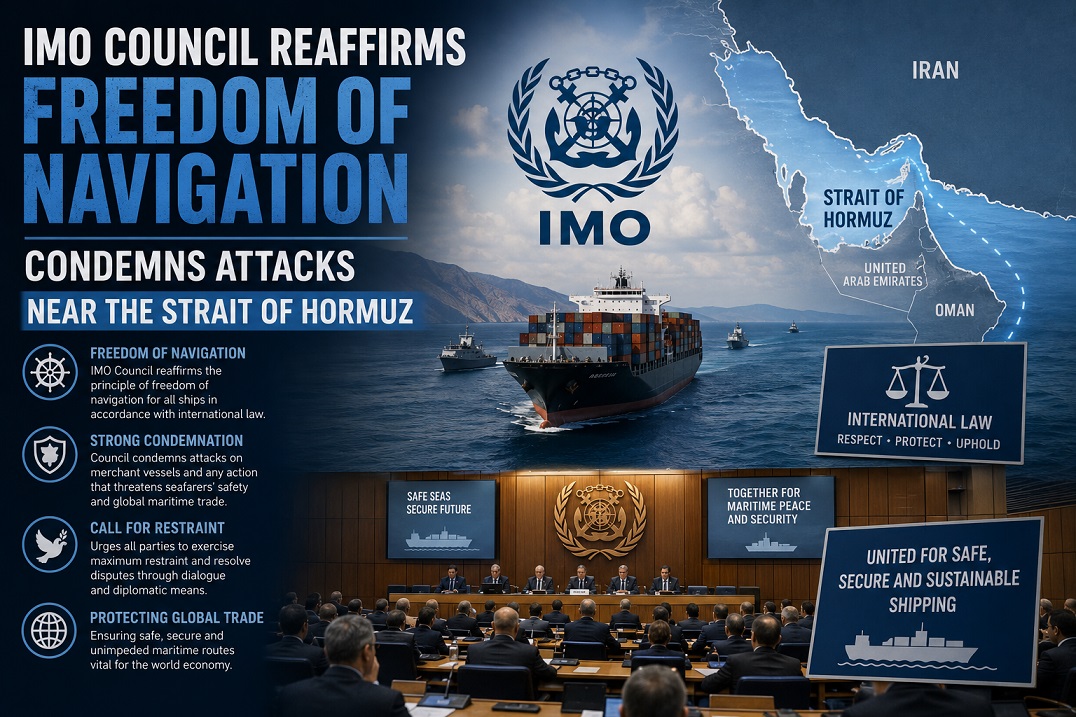
IMO Council Reaffirms Freedom of Navigation, Condemns Attacks Near the Strait of Hormuz
July 2026 | Regulatory Update Desk
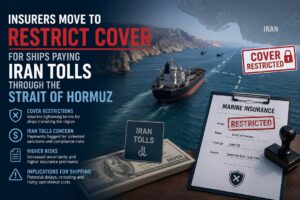
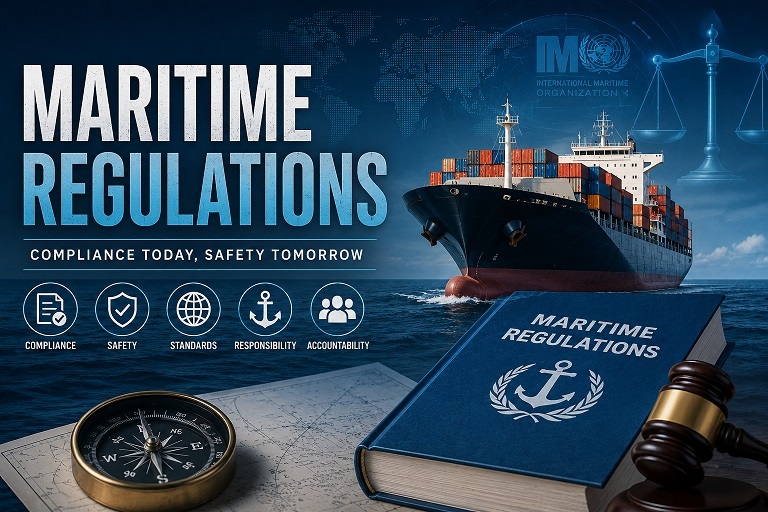
The International Maritime Organization’s Council closed its 137th session with a resolution reaffirming that the right of transit passage through straits used for international navigation must not be threatened, impeded, denied, hampered, impaired, or suspended. The Council also condemned attacks on civilian commercial ships in and around the Strait of Hormuz and called for de-escalation of regional tensions, placing the IMO’s regulatory weight squarely behind the operational reality shipowners have been navigating for months.
What the Council Resolved
The resolution’s core language is unambiguous: coastal states may take measures to regulate traffic through vital shipping lanes, but any such measures must be exercised in accordance with IMO regulations under the relevant international conventions governing navigation rights. In practical terms, the Council is drawing a clear line between legitimate traffic management and the kind of coercive closures or blockades that have repeatedly disrupted Gulf and Red Sea shipping this year.
Why This Resolution Matters Now
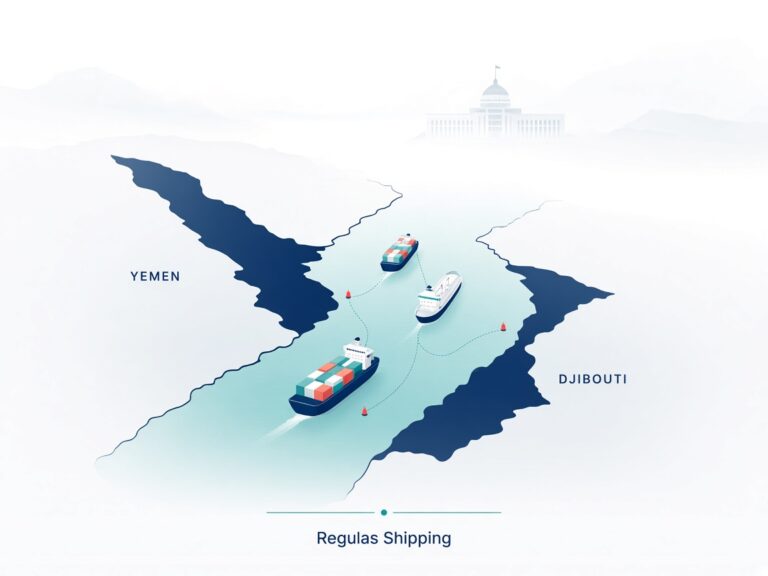
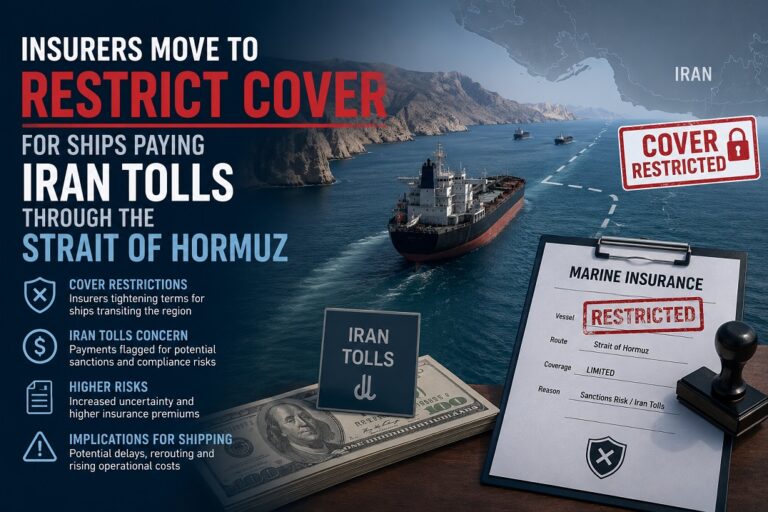
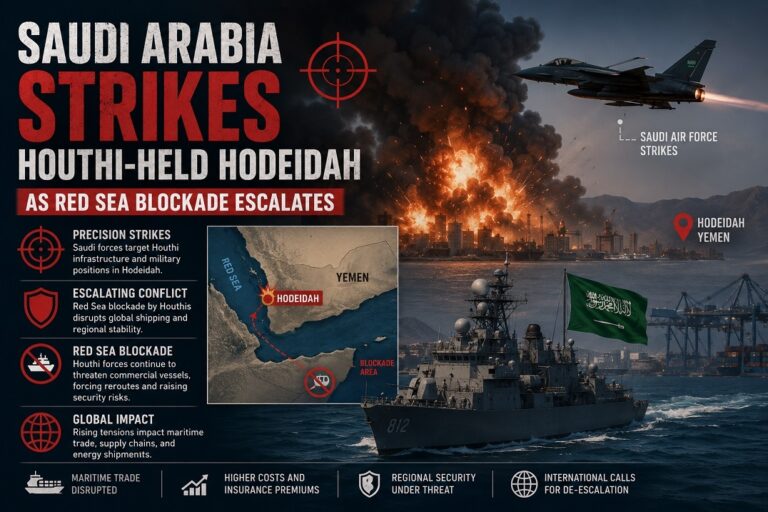
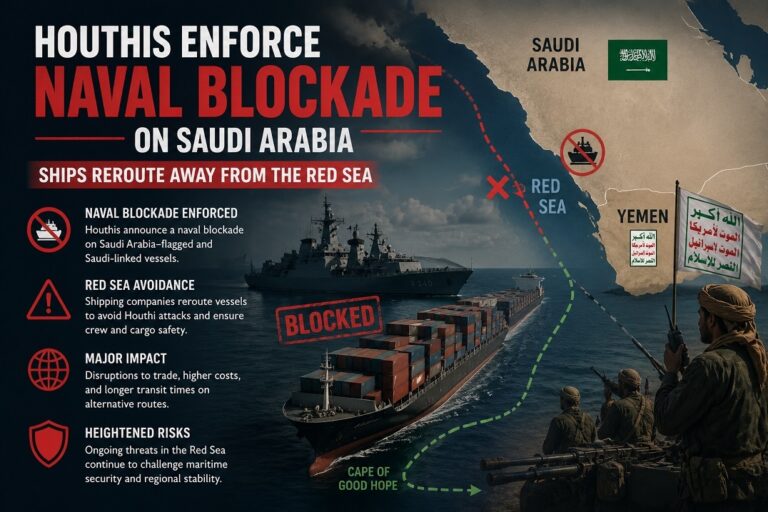
The timing places the resolution directly against the backdrop of an active crisis: Houthi blockade enforcement against Saudi-linked shipping in the Bab el-Mandeb Strait, retaliatory strikes on Yemen’s coast, and continued uncertainty around the durability of transit conditions through Hormuz following the earlier US-Iran conflict. While IMO resolutions are not enforcement instruments in themselves, they carry weight as the formal international consensus position that flag states, port states, and insurers can point to when assessing the legitimacy of any coastal state or non-state actor’s restrictions on passage.
Recognition Alongside the Resolution
The same session also addressed the human cost of this period of heightened risk. The Council awarded the 2026 IMO Award for Exceptional Bravery at Sea posthumously, alongside certificates and letters of commendation for other acts of bravery, and selected the recipient of the International Maritime Prize for 2025. These recognitions underscore that the resolution on navigation rights is not an abstract diplomatic gesture, it responds directly to real incidents affecting real seafarers.
What Compliance and Fleet Teams Should Take From This
- Use the resolution as a reference point in war-risk and legal assessments of any coastal state or armed group’s claimed authority to restrict transit
- Expect flag states and P&I clubs to reference IMO’s position when evaluating claims tied to blockade or transit-denial incidents
- Recognize that IMO condemnation does not equate to enforcement or de-escalation on the ground, operational caution in the Gulf and Red Sea remains warranted regardless of the resolution
- Monitor for follow-up guidance from IMO’s Maritime Safety Committee, which typically translates Council-level statements into more specific operational advisories
The Bottom Line
The IMO Council’s reaffirmation of navigational rights is a significant regulatory signal, but it arrives as a statement of principle rather than a mechanism that immediately resolves the risks vessels face in the Gulf and Red Sea. For maritime compliance teams, the resolution is useful as a benchmark and a diplomatic tool, while day-to-day voyage planning should continue to be driven by security advisories, insurer guidance, and ground-level conditions rather than by the expectation that the resolution alone changes operational reality.
This article is based on publicly reported outcomes of the IMO Council’s 137th session. Operators should consult IMO’s official circulars for the full text of adopted resolutions.