President Recep Tayyip Erdoğan told the 81st United Nations General Assembly in New York on Tuesday that recent attacks on commercial vessels in the Black Sea are “unacceptable, regardless of who is responsible for them.” The line, carried by AFP and Turkish and regional wires on 22–23 September, is not a corridor, a ceasefire or a new reporting channel. It is a head-of-state restatement, delivered on the UN floor, that Ankara will not treat drone and missile hits on merchant hulls as a normalised cost of the Russia–Ukraine war. Operators should read it against the same facts that were already on the voyage file: Turkey’s draft memorandum is still unanswered in any usable form, the Joint War Committee has already listed almost the entire Black Sea, and ships keep taking fire.
Erdoğan said Türkiye continues to engage both parties to restore the safety of navigation, safeguard food security and prevent the conflict from spreading to a wider geography. He did not name a route, a start date, an escort authority or a cargo list. He did not say Moscow or Kyiv had accepted the draft text that Foreign Minister Hakan Fidan confirmed on Saturday had drawn replies that remain “difficult to reconcile.” A presidential condemnation at UNGA raises the political temperature around the same file. It does not move a ship through the four-to-five-nautical-mile stretch of international water on the western solidarity route, and it does not change a war-risk warranty written against JWLA-035.
The numbers behind the speech are older than Tuesday’s podium and still the best public count Turkey’s own industry has put on the basin. At the Istanbul and Marmara, Aegean, Mediterranean and Black Sea Chamber of Shipping (İMEAK DTO) August assembly, chairman Tamer Kıran said that as of 26 August, 226 civilian and commercial vessels had been targeted in the Black Sea since the full-scale invasion, and that 163 of those ships — more than 70 percent — were hit in the first eight months of 2026. Kıran said those figures did not include three further attacks on the evening of 26 August. A parallel Turkish Shipowners’ Association compilation covering 24 February 2022 to 26 August 2026 listed 146 confirmed non-military commercial cases (121 named, 25 unnamed), 82 of them in 2026 to that date, with 34 Turkish-owned or Turkish-controlled and five Turkish-flagged. Industry sources cited with Tuesday’s UNGA reports put at least 27 Turkish-owned vessels hit since the start of June and four Turkish nationals killed. The 21 September Regulas note on Fidan’s Saturday interview used the then-current industry figure of at least 25 Turkish-owned ships, four of them Turkish-flagged, since late June. The direction of the series has not reversed.
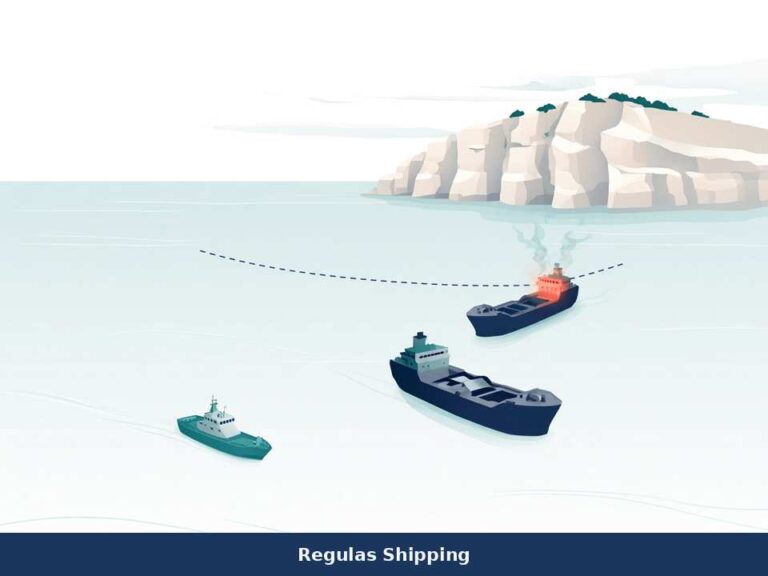
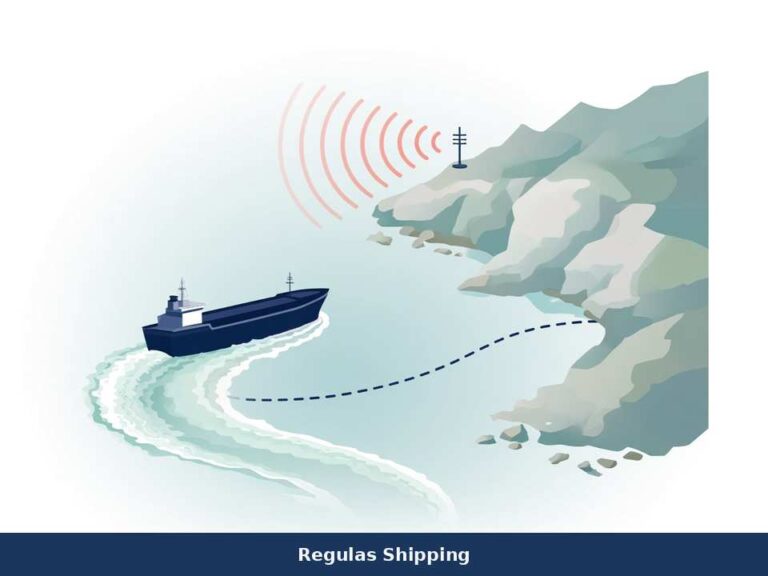
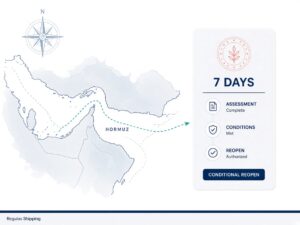
Ankara has been trying to write a civilian-shipping arrangement since August. Fidan called then for a moratorium on attacks on merchant ships; no mechanism followed. Ukraine floated a commercial-shipping ceasefire the same month; Moscow rejected it and said it wanted a broader deal. A Turkish diplomat told AFP on 17 September that a draft memorandum, inspired by the 2022 Black Sea Grain Initiative that Turkey and the United Nations brokered and that Russia left in July 2023, had been shared with both capitals. That draft is built around the known gap on Ukraine’s later solidarity routing along the Romanian and Bulgarian coasts, where a ship must leave territorial waters for four to five nautical miles. A second option would run along the eastern and southern shores through Turkish and, if Tbilisi agrees, Georgian territorial waters. Fidan told NTV on 20 September that both sides had answered and that grain extraction is the first priority. Erdoğan’s Tuesday remarks add a UN-level refusal to look away. They do not close the gap, and they do not say either side has accepted the coastal alternative.
The operational calendar around the speech is still live fire, not summit choreography. A Tanzanian-flagged inbound ship lost its captain to a drone strike on 17 September. Russia claimed Geran hits on an unnamed Odesa-bound dry-cargo ship and a tanker-type hull at Chornomorsk on 19 September. Earlier September cases included the Turkish feeder Lionfish and the Russian products tanker Armada Leader near Sochi. Ukrainian officials have separately claimed a wide drone campaign against Russian-linked tankers and bulkers in the Black Sea and Sea of Azov; those claims remain military statements, not independently verified casualty lists, and they do not create a safe lane for third-flag grain or general cargo. Joint War Committee circular JWLA-035, dated 16 September, already expanded Europe listed area item 2 to the Black Sea excluding the territorial waters of adjoining countries other than Russia and Ukraine. Adjacent Turkish, Romanian, Bulgarian and Georgian belts still do not, on that wording, trigger the same notification. The Sea of Azov remains a separate listed item. Premiums running to hundreds of thousands of dollars for a seven-day voyage are the price of transiting without the lane Erdoğan is still asking both sides to accept.
Food security is the political cargo Erdoğan put next to navigation. It is not a general amnesty. Egypt, the world’s largest wheat buyer, has been reported as receiving no Black Sea grain for about a month as attacks on ports, silos and hulls since July have cut the harvest-season lift. Ukraine’s Odesa-area ports, which ordinarily handle most of its grain exports, remain under regular missile and drone fire; a backlog of smaller ships has built up around Danube outlets that cannot replace deep-sea volume. Russian exports have been throttled by Ukrainian strikes and by the same war-risk price that keeps third-flag owners in Marmara yards. A memorandum that only de-risks a coastal grain track would still leave tankers, containers and project cargo where they are. A speech that condemns attacks without coordinates leaves them there as well.
Operational implications
A UNGA condemnation is a political artefact. Masters should not alter TSS, AIS, citadel or reporting posture because the Turkish president used the word “unacceptable” in New York. The useful test is unchanged: is there a signed text, a named reporting authority, a coordinate box and a statement of who is excluded? None of those arrived with Tuesday’s speech. Fidan’s Saturday readout already told operators that replies exist and that they do not yet make a corridor. Erdoğan’s Tuesday line tells operators that Ankara will keep pressing both parties in public. Pressing is not routing.
Ownership remains a targeting variable. Twenty-seven Turkish-owned hulls since June is a pattern that includes ships that were not flying the star and crescent. Charterers who have been parking beneficial ownership behind open registries should assume that AIS history, ISM manager and commercial operator are visible to both militaries. War-risk warranties written against JWLA-035 will still distinguish Russian and Ukrainian territorial waters from Turkish, Romanian, Bulgarian and Georgian belts. A future coastal lane inside those belts would have to be read against the actual policy wording, not against a headline that Turkey has taken the issue to the United Nations.
Grain priority is also a limit. Erdoğan paired navigation with food security. That pairing matches Fidan’s “extraction of grain first” and the 2022 initiative’s core design. Energy, containers and general cargo should assume they remain outside any initial arrangement if one ever appears. November remains a diplomatic date for a fuller Erdoğan–Putin discussion; harvest windows, drone weather and port closures are operational dates. Idle Turkish tonnage is already paying the cash cost of that stall in Istanbul and Marmara yards. High Black Sea freight is not a signal that the voyage is insurable, classed or crewed.
What Operators Should Note
- Tuesday’s UNGA line is not a corridor. Erdoğan condemned attacks on commercial vessels whoever is responsible. He did not publish coordinates, an escort plan or a start date. Keep existing BMP, UKMTO-style reporting and citadel instructions in place until a signed text exists.
- The Fidan draft is still the only paper on the table, and it is not agreed. Both sides answered last week; the answers remain hard to reconcile. Do not bid laycans, crew changes or stores on a western-gap fix or a Georgia–Turkey coastal alternative that neither capital has accepted.
- JWLA-035 and a UN speech are not substitutes. The listed area already covers almost the entire Black Sea except the territorial waters of neighbours other than Russia and Ukraine. Check the actual warranty against that map. A presidential statement at UNHQ does not rewrite the circular.
- Turkish ownership is an exposure, not only Turkish flag. İMEAK’s August count and the later industry update to at least 27 Turkish-owned hulls since June include open-registry ships. Vet beneficial owner, manager and recent AIS before accepting a Black Sea voyage, even if the flag is convenient.
- Grain is the political cargo, not a tanker or container waiver. Erdoğan and Fidan have both put food security first. Dry-bulk grain may be the only cargo with a constituency if a deal appears. Energy and liner cargo should assume they stay outside any first arrangement.
- The four-to-five-mile international-water gap is still the known attack window on the western route. Until a signed text closes or escorts that stretch, treat it as a daylight, AIS-on, maximum-readiness transit, not as a quiet TSS hop inside Romanian or Bulgarian waters.
- Price idle time in Turkey, not only the war-risk quote. Confirm war-risk, P&I, class and seafarer consent before the ship leaves the Dardanelles. A high freight print is not evidence that a master, an underwriter or a crew will take the voyage.
Regulas Shipping will keep monitoring Ankara’s Black Sea diplomacy against incident reports and Joint War Committee listed-area language, and will update operators if a signed routing arrangement — or a formal collapse of the draft — changes the voyage picture.