Saudi Arabia Strikes Houthi-Held Hodeidah as Red Sea Blockade Escalates
July 2026 | Maritime Security Desk
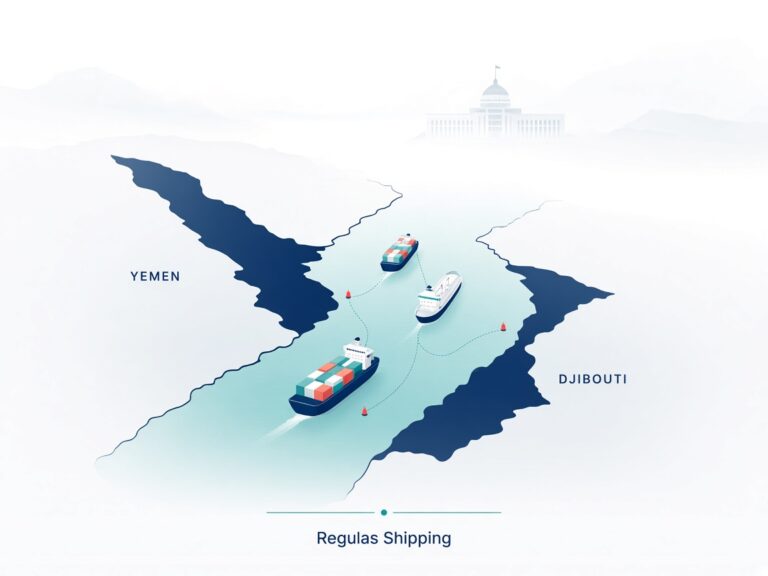
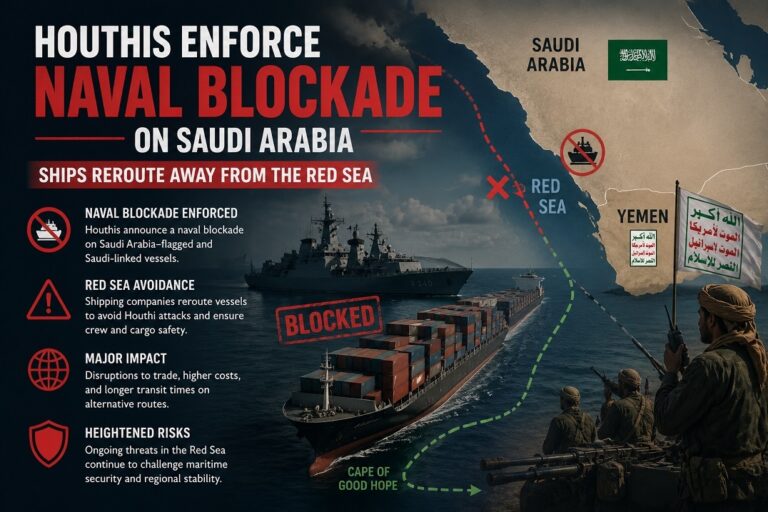
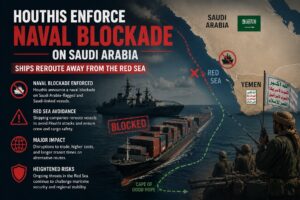
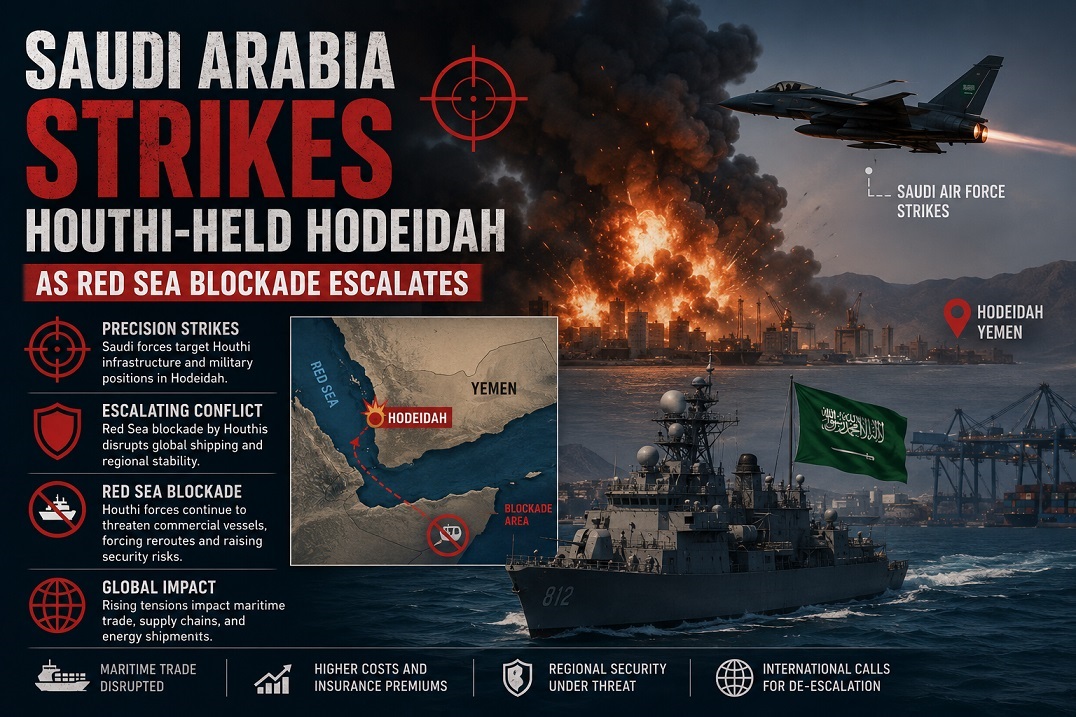
Saudi Arabia has struck Houthi-held Hodeidah on Yemen’s western coast, a direct response to the group’s enforcement of its declared naval blockade and its strikes on Saudi oil tankers earlier in the week. The exchange marks the end of a de-escalation phase the two sides had maintained since an informal truce took hold in 2022, and it raises the stakes for any commercial shipping still transiting the wider Red Sea corridor.
What Triggered the Strikes
The blockade the Houthis announced was itself framed as retaliation for a strike on Sanaa’s international airport, which Yemen’s internationally recognized, Saudi-backed government said was carried out over the unauthorized arrival of an Iranian aircraft. After Houthi forces followed through on the blockade by striking Saudi tankers, Saudi Arabia responded with strikes on Hodeidah, the Houthis’ key Red Sea port city. At least one injury has been reported from an associated strike on nearby Kamaran Island.
Why This Matters for Shipping
Hodeidah is not just a Houthi political stronghold, it is a functioning commercial port that handles humanitarian and general cargo for Yemen. Strikes in and around the port area raise several concerns beyond the immediate military exchange:
- Increased risk to any vessel calling at or near Hodeidah, including humanitarian shipments
- A broader signal that the 2022 informal truce framework, which had kept Red Sea shipping relatively predictable, is no longer holding
- Potential for further tit-for-tat strikes that expand the geographic area of risk along Yemen’s coastline
- Added pressure on marine insurers already reassessing Red Sea and Gulf of Aden war-risk zones
The End of a Fragile Truce
A Houthi military spokesperson had said the strike on Sanaa’s airport ended a de-escalation phase the two sides had maintained since 2022. That framing matters for the maritime industry because the 2022 truce, while informal, was one of the quiet stabilizing factors that allowed shipping through Yemeni waters to normalize somewhat after the earlier years of the civil war. Its breakdown reintroduces exactly the kind of unpredictability that voyage planners had hoped was behind them.
Operational Considerations
- Treat the entire Yemeni coastline, not just the Bab el-Mandeb transit corridor, as an elevated-risk zone
- Reassess any planned calls at Hodeidah or nearby ports for humanitarian or commercial cargo
- Expect war-risk premiums to reflect the wider geographic spread of the conflict, not just the strait itself
- Monitor for further strikes, since both sides have signaled willingness to escalate rather than de-escalate at this stage
The Bottom Line
The Saudi strike on Hodeidah confirms that this is no longer a contained standoff over Bab el-Mandeb transit rights, it is a wider military escalation between two parties that had kept an uneasy peace for several years. For shipping operators, the practical takeaway is that risk assessment now needs to cover Yemen’s coastline as a whole, not just the strait, and that the situation is more likely to widen than settle in the near term.
This article is based on publicly reported developments regarding the Yemen-Saudi security situation. Conditions remain fluid and operators should verify current advisories before finalizing voyage plans.