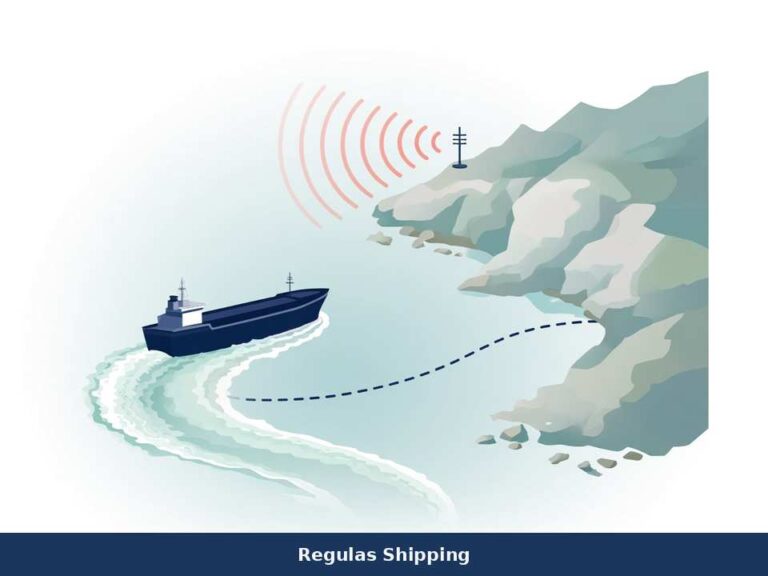
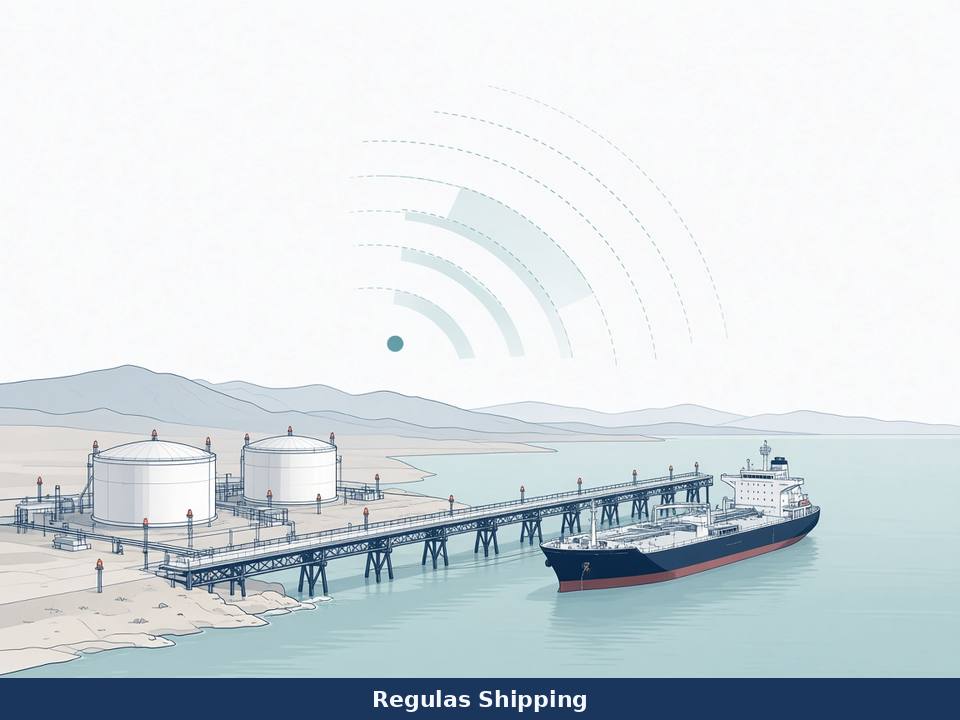
French President Emmanuel Macron said on Thursday evening, 24 September, that France would send soldiers, radars and defence systems to protect the Saudi Red Sea oil terminal at Yanbu. Speaking from the Élysée on the TF1 and France 2 20:00 news after returning from the UN General Assembly, he said the discussion with the Saudis had been finalised and that the purpose was to protect the site, not to draw France into a conflict. “Nous allons envoyer des moyens militaires, c’est-à-dire des soldats, des radars, des systèmes de défense pour protéger ce site, pas nous engager dans quelque conflit mais protéger ce site,” he told Gilles Bouleau. He did not give troop numbers, a start date, or a list of systems. Asked about Rafale combat aircraft, he said France would see how the situation evolved and “selon les besoins,” adding that France already has assets in the region.
The announcement is a defensive deployment offer for a load port, not a Bab el-Mandeb escort and not a Hormuz sailing window. Yanbu is the Red Sea end of the East-West crude pipeline, Petroline, the inland workaround that lets Saudi barrels leave without transiting the Strait of Hormuz. Macron said that a few weeks ago more than five million barrels a day were leaving from there, and that easing pressure on such a node shows up “à la pompe” within two days. Operators should treat that as a French political argument about fuel prices, not as a confirmed current loading rate. The 23 September Regulas note recorded a low-rate Petroline restart after the 11 September drone stop, with a full return to pumping rates still weeks away and no Aramco confirmation that the first China-bound Yanbu stem had completed. Thursday’s French statement does not fill that gap.
A load-port shield on a day the Houthis fired again
The timing was not abstract. Saudi Civil Defence issued a short run of alerts on Thursday for Mecca, Yanbu, Taif, Jeddah and Tabuk, then lifted them within minutes. The Saudi-led coalition said it intercepted six ballistic missiles that had been aimed at Taif and Yanbu. Coalition spokesman Turki al-Maliki said on X that Houthi “escalations and violations” would be dealt with firmly. The Houthis later claimed a complex ballistic-missile and drone barrage against command centres and weapons depots in southern Saudi Arabia, and late on Thursday claimed further cross-border attacks on Aramco infrastructure at Yanbu and an unnamed site in Riyadh. France 24, citing AFP, reported the intercepts and the French pledge together. Iran’s President Masoud Pezeshkian, speaking to Fox News on Thursday, said the Houthis “don’t take directions from us” and are responsible for their own actions.
Yanbu’s operational value is the bypass. The 1,200-kilometre line from the Gulf oil provinces to the Red Sea has a nameplate of about seven million barrels a day and had been running around four million barrels a day in wartime, of which about two million historically fed Red Sea-coast refineries. Three of eleven pumping stations and two pressure-relief stations were damaged in the 11 September Iraq-origin drone attack. A security source then told Reuters that about 40 percent of nameplate could return in a couple of days and a full restart would take six to eight weeks. A low-rate restart with stations still in the repair queue is a constrained line. A French radar and air-defence package at the terminal, if it arrives, addresses the missile and drone threat to tanks, jetties and the port. It does not repair pumping stations inland, and it does not clear the strait at the other end of the Red Sea.
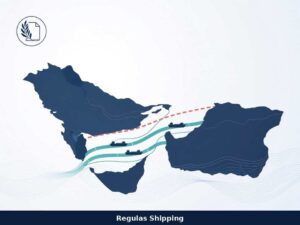
That exit remains the harder problem. Houthi forces still hold Mocha, Mayyun (Perim), the Hanish islands and the Yemeni Red Sea coastline they took in the second week of September. Yahya Saree’s “safe except Saudi” line is still the published targeting rule. A Yanbu-stemmed tanker still has to leave through a waterway whose Yemeni shore and mid-channel island are held by a force that has banned Saudi-linked ships and is now claiming hits on the load port itself. Association by cargo, owner, last port, AIS history or ship-to-ship partner can put a non-Saudi hull inside that envelope. France 24, citing sources on both sides, said at least 150 Houthi fighters and government-aligned troops had been killed in the previous 24 hours, including in fighting over hilltops that overlook Bab el-Mandeb. That is a coastal-control fight, not a French air-defence problem at Yanbu.
What France is — and is not — putting on the water
Macron framed the mission as site protection: soldiers, radars, defence systems. Secondary reporting has read the radar language as an air-defence package against drones and ballistic missiles. He left open the later use of Rafales “selon les besoins” and said France would watch how the situation developed. He also pointed to talks with Iranians and Omanis on reopening Hormuz, and said France’s interest was to bring prices down before cutting fuel taxes. RFI recorded his assurance that diesel, gas and heating-oil supply was covered through the end of 2026, with early-2027 risk if the crisis worsened. None of that is a notice of readiness for a merchant ship.
Saudi Arabia had not issued a public comment on the arrangement in the Thursday evening reporting. No embarkation date, no battery type, and no statement that French systems are already at Yanbu have been published. The United Kingdom had recently offered defensive help in the form of aerial-refuelling aircraft, according to European secondaries; that is a different tool and does not substitute for a published French order of battle. Italy’s national-escort planning for Italian-flag and Italian-owned ships through Bab el-Mandeb, already on the Regulas file from 18 September, is a separate product. It is a possible convoy for a defined national fleet, not a shield over Yanbu’s tanks. Operators should not merge Macron, the UK tanker-aircraft offer and the Italian escort plan into a single “European Red Sea cover.”
For charterers the temptation will be to treat a French flag over Yanbu as the missing piece that makes the Petroline restart bankable. It is not. The pipeline is still on a low-rate, multi-week repair clock. The first China cargo remains unconfirmed by Aramco. Traders had already been positioning hulls toward Port Said STS and Sidi Kerir/SUMED as a Mediterranean hedge. The 19 September Ras Tanura–Sohar STS programme of about 60 million barrels for September–October loading remains the Gulf-side substitute. A future French radar coverage of the terminal does not move those stems, does not cancel Saree’s Saudi-association rule, and does not give a master a Bab el-Mandeb transit instruction.
Operational implications
The live decision is still whether a ship nominated to Yanbu should go, wait, or stay on the Sohar/Ras Tanura chain. A defensive deployment that has been announced but not dated does not change notice of readiness. If French systems later arrive and if Houthi fires on the terminal drop, the load-port risk may ease. The exit risk through Bab el-Mandeb will not ease on a radar picture over Yanbu. Write the fixture so that a delayed French arrival, a continued low pipeline rate, or a refused Bab el-Mandeb exit has a named payer. Keep UKMTO, MSCIO and BMP Maritime Security as the reporting chain for any Yanbu, Jeddah or northbound Red Sea call. A presidential interview is not a UKMTO event; a projectile on a Yanbu-stemmed tanker is.
Association risk has not moved. A hull that loaded Saudi crude at Yanbu, that lightered with a Saudi-linked partner, or that shows a recent Saudi port in AIS can still sit inside the Houthi envelope after it leaves. Crew-change and next-of-kin plans should assume that a “protected terminal” headline will be the news on the day a Saudi-associated ship is hit in the southern Red Sea. War-risk underwriters will ask whether the voyage order treated Macron’s Thursday statement as a security upgrade. It is an intended upgrade to the land side of a load port. It is not a listed-area change, not a JWC circular, and not an escort.
What Operators Should Note
- Treat Macron’s statement as a finalised offer of site defence, not as systems already at Yanbu. TF1/France 2 on Thursday: soldiers, radars, defence systems; talks with Riyadh concluded; no troop number, no start date, no battery list. Saudi Arabia had not commented in the Thursday evening file. Do not brief charterers that Yanbu is now under a live French umbrella.
- Keep Petroline on the low-rate clock already on the file. Tuesday’s Reuters restart was at a low rate, with three damaged pumping stations and a six-to-eight-week full-rate window. Macron’s “more than five million barrels a day a few weeks ago” is a pre-stop recollection. It is not Thursday’s pumping rate and it is not a confirmed loading programme.
- Separate the terminal from the strait. A radar and air-defence package, if it arrives, is about tanks, jetties and the port. Mocha, Mayyun, the Hanish islands and the Yemeni Red Sea coast remain in Houthi hands. Saree’s “safe except Saudi” line is still the targeting rule. A ship that can berth at Yanbu still has to leave through that waterway.
- Thursday’s fires are the live risk picture, not the interview. Civil Defence alerts for Mecca, Yanbu, Taif, Jeddah and Tabuk; coalition intercept of six ballistic missiles aimed at Taif and Yanbu; Houthi claims on Aramco Yanbu and Riyadh. A protected-site announcement on the same day as those claims is not evidence that the terminal is quiet.
- Do not merge European products. France’s Yanbu package, the UK aerial-refuelling offer, and Italy’s national Bab el-Mandeb escort plan are different tools for different hulls. None of them is a general-traffic lane, and none of them is an Aspides force-generation fix.
- Keep the Sohar STS and Ras Tanura stems live. The 60-million-barrel September–October Gulf-side programme remains the substitute while Yanbu is constrained. Name who pays if a Yanbu nomination is held for a French arrival that has no date, if the pipeline rate stays low, or if the owner refuses Bab el-Mandeb.
- Keep UKMTO, MSCIO and BMP Maritime Security on any Yanbu or northbound Red Sea voyage. Report while an approach or projectile is happening. Write next-of-kin and war-risk language before treating a Thursday television interview as a security upgrade to the voyage order.
Regulas Shipping will keep lining the French Yanbu offer against Petroline’s repair clock, Houthi claims on the terminal and remaining Bab el-Mandeb island control so operators can treat a Red Sea load as a constrained supply decision, not as a European-protected way around Hormuz.