TradeWinds reported on Tuesday, 29 September, that the two seafarers missing from the Panama-flagged products tanker El Gaia after the 13 September Hormuz attack have been recovered dead, and that the confirmed marine toll from conflict in the Middle East had climbed to 25. The paper identified oiler Sumit Kumar Singh as retrieved from the 48,000-dwt, 2005-built hull. The Forward Seafarers’ Union of India had already said on 26 September that Singh’s remains had been found after 12 days, that the family had been informed, and that another foreign crew member had also been recovered. That Tuesday industry confirmation of two dead, not the original unnamed UKMTO warning or Oman’s 15 September tow, is the primary for this note. It is not a rewrite of this blog’s 14 September NAVAREA IX naming or the 16 September Oman-tow / CENTCOM mine-claim file, and it is not a new projectile in the lane.
Indian reporting filled in the identities that TradeWinds treated as a casualty-count update. News18 and The Daily Jagran, working from the FSUI notice, said Singh was a 35-year-old oiler from Kirtapur Rajaram in Vaishali district, Bihar, among 14 Indian crew on El Gaia, and that 13 Indian seafarers had been rescued after the 13 September attack. Both named the second missing seafarer as Pakistani third engineer Muhammad Hammad Obaida. The Hindu’s earlier casualty desk had already listed those two men as unaccounted for: Obaida, from Karachi, joined in Oman on 7 September; Singh joined on 25 June. The tanker had 25 crew — 14 Indians and 11 Pakistanis in the Indian union and press count. Oman’s Maritime Security Centre had said a Royal Navy of Oman vessel evacuated 23 and that search continued for two. FSUI said the condition of Singh’s body was beyond description. Do not treat that language as a published post-mortem. Do treat the two missing names as no longer a live SAR case in the union and TradeWinds accounts.
ClassNK lists El Gaia as IMO 9325336, official number 30982-05-CH, call sign 3ECL5, flag Panama, a 2005-built oil carrier of 28,799 gross tons and 47,999 deadweight tonnes, 179.99 metres overall, owner El Gaia Shipping Inc, manager Elsey Ship Management LLC, former names Nave Dorado and Kuroshio Express. Pakistan NAVAREA IX warning 319/26 named that hull after fire, drift and an oil spill at 26°26.50′N, 056°30.10′E, about 3.6 nautical miles northwest of Jazirat Musandam. IMO’s 14 September Middle East list recorded damage to EL GAIA, pollution status unknown, two seafarers missing, in a wider tally then at 79 incidents and 22 confirmed fatalities. Maritime Executive, writing through the Al Funtas file this week, said IMO’s confirmed Gulf-area count had reached 86 incidents and 24 fatalities, with Indian media confirming two El Gaia deaths while IMO still listed them as missing, plus the 23 September Cape Dao death. TradeWinds’ 25-fatality line is the later industry reconciliation. It does not, by itself, republish an IMO circular. Operators should work from named dead, not from a single running total that agencies have not yet aligned.
Twelve days in a flooded engine room after a named Hormuz fire
The original security product was UKMTO Warning 134-26: an unnamed commercial vessel struck by an unknown projectile in the Strait of Hormuz, then a Sunday update that fire had broken out and local authorities were evacuating the crew. This blog covered that unnamed warning, then the NAVAREA naming, then Oman’s tow 103 nautical miles northeast of Musandam after an engine-room fire. The 29 September recovery closes the missing-crew line on that same hull. It does not reopen the weapon argument. Iran’s IRGC Navy said the tanker struck mines on an unauthorised route. CENTCOM called that false and said El Gaia was struck by an Iranian missile last month and again by a drone while sitting off Oman. India condemned an attack on a commercial vessel off Oman and did not name a weapon. The Hindu reported the ship had been operating AIS-off, last port Sohar. Those attribution fights remain unresolved in public. The new operational fact is that the two men who were on watch in the engine room did not survive the wait for access to flooded spaces.
News18 said search teams had already checked accessible parts of the tanker several times. Remaining areas included flooded sections of the engine room and steering gear room, where access was initially difficult because of the damage. That is why a “crew evacuated, two missing” line can sit for nearly two weeks after a projectile and fire. It is also why a war-risk or P&I file that treated the two as missing, rather than as deceased, has to be updated now that union and TradeWinds reporting say the remains have been recovered. Arab News, earlier in the search, quoted Obaida’s brother saying Pakistan’s Foreign Office, the embassy in Oman and the company had not confirmed a fate, and that a community welfare attaché had cited informal information the hull had been taken to Jebel Ali. That family-side gap is why operators should not assume every next-of-kin channel has received the same 26–29 September notices that FSUI and TradeWinds published.
El Gaia was already on Iran’s Persian Gulf Strait Authority non-compliant list before the hit. The Week, citing maritime security reports around 13 September, said the tanker was among vessels PGSA had listed for restrictions, fines, seizure or confiscation. Seatrade’s later NCL reprint still carried EL GAIA, IMO 9325336, as entry 55. Being on that list is not independent proof of how the ship was struck. It is proof that a named products tanker can be both a salvage casualty and a political listing at the same time. Al Funtas, by contrast, was reported this week as not on the NCL when it was hit. Operators should not read “listed” or “not listed” as a safe-transit rule.
Operational implications for a closed SAR and an open fatality count
The first job is remains repatriation, not a threat-level rewrite. Flag Panama, manager Elsey Ship Management, owner El Gaia Shipping, Indian and Pakistani missions, P&I and the DPA now have a two-person deceased file: an Indian oiler and a Pakistani third engineer recovered after the engine-room spaces were made accessible. FSUI said Singh’s family had been informed. TradeWinds treated both retrievals as taking the regional seafarer death count to 25. Company emergency response still has to notify flag, clubs, next of kin and, where required, the flag-state marine casualty branch. A missing-person SAR posture is the wrong checklist once union and industry press say the bodies are ashore.
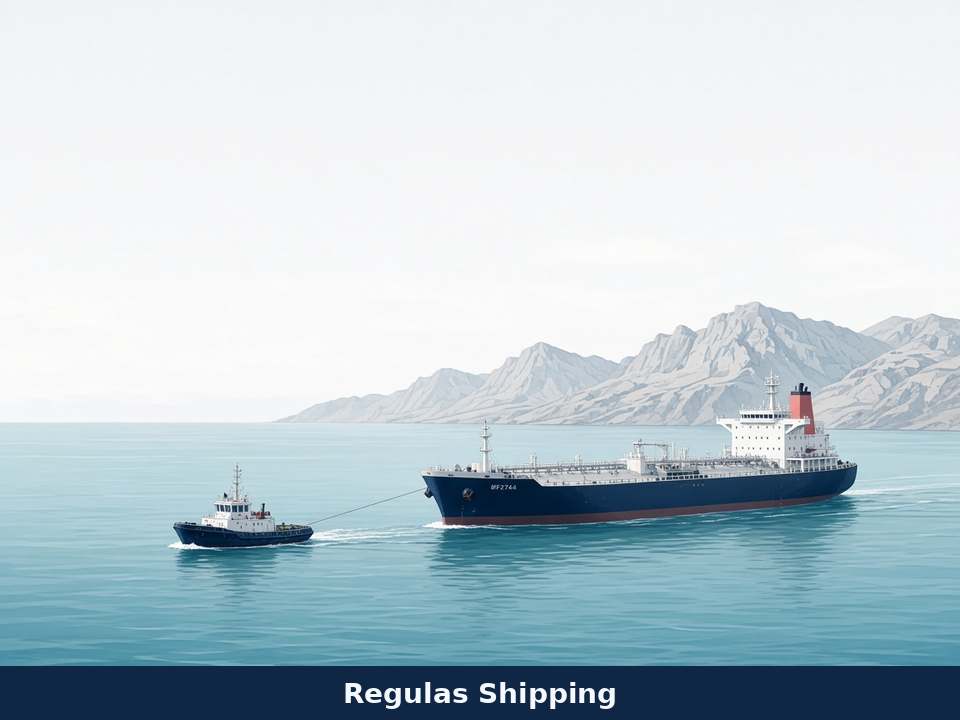
The hull remains a salvage, pollution and evidence problem. NAVAREA IX logged an oil spill at the Musandam position. Oman towed the tanker after the engine-room fire. Access to flooded machinery spaces took days. Surveyors, class and flag still need a damage stability, tank-tightness and fire-boundary record before anyone treats El Gaia as a candidate for repair, scrap or a further tow. Photos from 13 September, as The Hindu described them, showed engine-room damage from the projectile. That is a machinery-space casualty on a mid-size products tanker, not a cargo-tank explosion in the public record. Do not invent a remaining-onboard quantity or a spill volume that IMO listed as unknown.
Crewing and contract practice have to absorb a 12-day gap between evacuation and recovery. Twenty-three people left on an Omani naval vessel. Two men on engine-room watch did not. Masters transiting Hormuz or lying damaged off Musandam need a named person who owns next-of-kin from the first UKMTO sentence, not after a union tweet. War-risk underwriters will ask whether the ship was AIS-off, whether it was on a PGSA list, whether the SSP matched the threat, and when the company moved the two missing from “unaccounted” to “deceased.” Those are file questions. They are not a finding that dark transits caused the hit.
The count will keep moving. Cape Dao’s 23 September Indian death is already on this blog. Honour 25’s five crew killed off Puntland on 29 September sit in a different basin but in the same seafarer-fatality week. IMO, TradeWinds and national ministries have not been publishing identical running totals. Jaishankar’s 25 September line that attacks on commercial shipping are “simply indefensible” from the Gulf to the Red Sea and the Black Sea remains the political frame, not a convoy. El Gaia’s two recovered dead are a closed SAR on one named hull, not a closed Hormuz campaign.
What Operators Should Note
- Close the El Gaia missing-crew line as two recovered dead, not as an ongoing SAR. TradeWinds on 29 September said the missing seafarers from El Gaia, IMO 9325336, have been retrieved dead and that the confirmed Middle East marine toll had climbed to 25. FSUI on 26 September named Indian oiler Sumit Kumar Singh and said another foreign crew member was also recovered. Indian press identified the second man as Pakistani third engineer Muhammad Hammad Obaida.
- Run next-of-kin and remains-repatriation on both flags of the deceased, not only India. Fourteen Indians and 11 Pakistanis were the public complement. Twenty-three were evacuated by Oman. The two on engine-room watch were one Indian and one Pakistani. Managers, Panama, Elsey Ship Management and both missions still owe written confirmation to families. Earlier Arab News reporting showed Obaida’s family still waiting on official word during the search. Do not assume a union tweet reached every relative.
- Keep the hull on a salvage and pollution list. NAVAREA IX 319/26 named fire, drift and an oil spill at 26°26.50′N, 056°30.10′E. Oman later towed the tanker after an engine-room fire. Flooded machinery spaces delayed access for days. Class, P&I and flag still need a survey. IMO’s early entry listed pollution as unknown. Do not invent a spill volume.
- Do not recast attribution as settled. IRGC said mines on an unauthorised route. CENTCOM said a prior missile and a later drone and rejected the mine account. India condemned an attack and did not name a weapon. UKMTO’s original product was an unknown projectile on an unnamed ship. The recovery of remains does not decide that argument.
- Do not treat a PGSA listing as a transit rule or as proof of targeting. El Gaia was on the non-compliant list around the time of the hit. Al Funtas, hit this week, was reported as not on that list. Passage plans should assume projectile, fire and delayed SAR access whether or not a hull appears on Tehran’s spreadsheet. OFAC still treats cooperation with PGSA declarations and fees as US-exposure risk.
- Align internal fatality counts with named people, not with a single agency tally. IMO had El Gaia’s two as missing while logging 24 Gulf-area deaths in some this-week secondary reporting. TradeWinds put the wider conflict toll at 25 once the retrievals were counted. Cape Dao remains a separate named death. Update DPA logs, club notifications and seafarer-union notices from the two names, then reconcile with IMO when it republishes.
- Put engine-room watch and VDR/evidence hold into the Hormuz damage-control card. The two deceased were reported on watch in the engine room when the projectile and fire hit. Preserve machinery-space imagery, VDR, AIS history and the abandonment timeline. A 12-day wait for flooded access is now part of the casualty, not an afterthought.
Regulas Shipping will keep lining TradeWinds’ 29 September retrieval of El Gaia’s two missing seafarers against the FSUI notice and the still-open attribution fight so operators can treat a 12-day engine-room search as a named double fatality and remains-repatriation file, not as an unnamed UKMTO warning that somehow closed itself.