Estonia’s Police and Border Guard Board confirmed on Thursday, 1 October, that Russian border guards had stopped the Cyprus-flag cargo ship Västerbotten in the Gulf of Finland while the ship was bound for the Port of Sillamäe. ERR, updated into Friday with a comment from the Estonian Transport Administration, said the hull had entered Russian territorial waters on a route that ships may use under an arrangement among Estonia, Russia and Finland because that track is safer for larger vessels than the shoals on the Estonian side. Are Piel, head of the administration’s vessel traffic service department, said the ship was anchored, inspected and then allowed to continue, and that Tallinn had received no official explanation of the reason for the stop or of what the inspection found. “Every country has the right to exercise control over ships in its territorial sea, and apparently the Russian administration considered it necessary to inspect this ship when it passed through their territorial sea,” he told ERR.
Postimees, writing Thursday evening from MarineTraffic, placed the ship a few dozen kilometres south of Russia’s Gogland Island at the time of the stop. The paper gave the hull as 119.26 metres long and 16.54 metres wide and said it had sailed from Mönsterås, Sweden. After the inspection, Russian authorities asked the ship to wait; it remained at anchor for several more hours. MarineTraffic then showed engines away at 1830 local time and the ship in Sillamäe at 2015. ERR’s Friday update, citing VesselFinder, still had the ship in the Estonian port on Friday morning. Port News and open particulars identify Västerbotten as IMO 9436226, MMSI 212838000, call sign 5BHU2, a 2008-built general cargo ship of about 5,335 gt and 6,804 dwt in the Baltic fleet of German operator Navalis Shipping. The company had not published a statement in the Estonian reporting used here.
This is a coastal-state inspection on an agreed Sillamäe approach, not a Black Sea war-risk rewrite and not a Hormuz file. Russia gave no public charge. The ship was released the same day. The operational question for owners and agents is whether the Russian-water shortcut into Sillamäe is still a usable plan, or whether the post–Green Admire Estonian-water route is the one that should be in the passage plan before the next Baltic stem.
An agreed shortcut that still sits inside Russian water
Piel’s legal frame is the one operators should keep. Innocent passage through the territorial sea is a right under the United Nations Convention on the Law of the Sea. Coastal-state sovereignty also extends to that belt, and a coastal state may take steps to control passage there. ERR recorded him saying a stop of this kind is unpleasant but not unusual, and that peaceful passage does not mean the coastal state has no right to inspect. Postimees made the same UNCLOS point. Neither source published a Russian statement, a deficiency list, a customs finding or a sanction allegation. Do not invent one. The working object is an unexplained territorial-sea inspection that held a commercial cargo ship at anchor south of Gogland and then let it berth at Sillamäe the same evening.
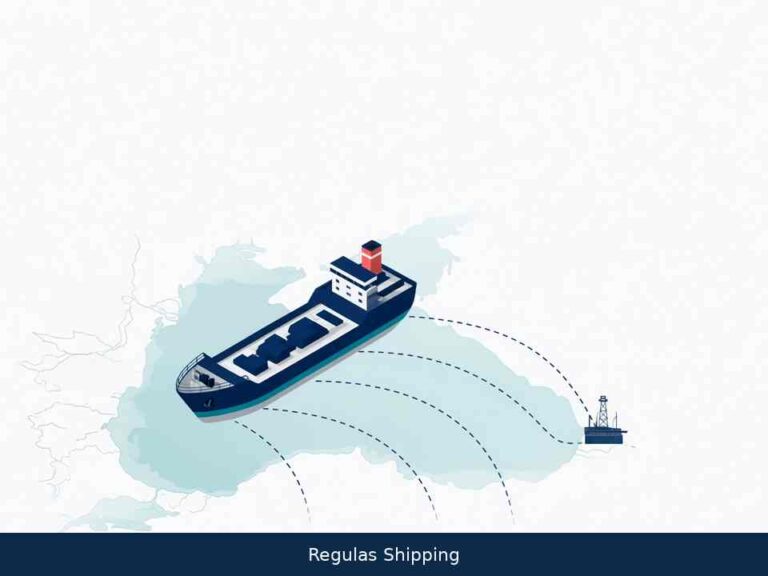
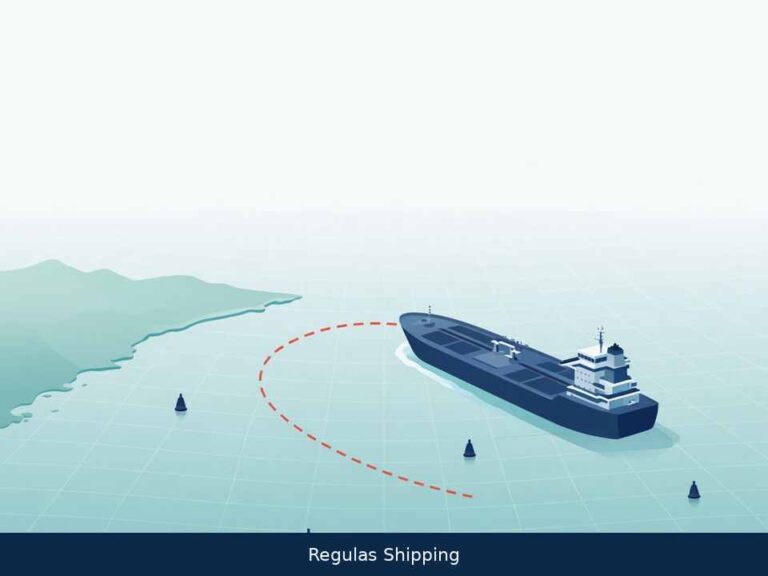
The route itself is not a casual deviation. Estonia, Russia and Finland have an arrangement under which ships entering and leaving Sillamäe may pass through the Russian territorial sea because the Estonian-side track is constrained by shoals. EADaily, writing from the ERR account, said Västerbotten had taken a short Russian-water transit of about 4.5 miles, then stopped near the Estonian line and moved deeper into Russian water before anchoring. That geometry is useful only as AIS colour. The official Estonian line is simpler: the ship entered Russian territorial waters, was stopped, inspected, told to wait, and released.
ERR and Postimees both tie Thursday’s stop to the May 2025 detention of the Liberian-flag tanker Green Admire after it left Sillamäe on the same agreed route. That ship was held about two days and then released. After that case, the Transport Administration’s vessel traffic service, with the pilots, decided that ships to and from Sillamäe should, where possible, be guided through Estonian territorial waters to avoid a repeat inspection. Piel told ERR that relatively few ships go to Sillamäe and that Russian territorial sea is not used “just in case.” Västerbotten shows the residual risk when a ship is put back on the Russian-water track anyway. During Thursday’s stop Russia also imposed a temporary restriction on passing through the area; ERR said that restriction had been lifted by the Friday update. A temporary local closure around an inspection is not a new Gulf of Finland TSS and not a listed-area change.
What a same-day release still costs the next voyage
The operational implication is delay, documentation and routing, not a seizure narrative. A ship that has been boarded or inspected in Russian territorial waters arrives at Sillamäe with an unexplained coastal-state intervention in the log. Charterers, P&I and the DPA need the master’s statement, the times at anchor, whether arms, stores or cargo spaces were opened, and whether any document was left on board. Estonia does not have that file. The owner has to make it. A same-day release does not tell the next master that the Russian-water shortcut is clear. It tells the next master that the shortcut can still produce hours at anchor south of Gogland and a temporary local passage restriction while the inspection runs.
Sillamäe remains an eastern Gulf of Finland call with a shallow Estonian-side alternative. That is why the trilateral arrangement exists. It is also why the 2025 Green Admire decision to prefer Estonian water is the conservative default until Tallinn, the pilots and the agent say otherwise for a named voyage. A general-cargo ship of Västerbotten’s size can use the Estonian track more easily than a laden tanker; that does not make the Russian-water mile a free option. Agents who book the shortcut to save time need to brief the master that an inspection can erase the saving and that Russia has not been explaining the stops to the Estonian VTS.
Keep the file off the Black Sea and Hormuz desks. Ambrey’s wider Black Sea spillover count, the unnamed Odesa and Chornomorsk cargo-ship claims, and Friday’s UKMTO Hormuz warnings are separate products. Västerbotten was not hit, not listed as a casualty, and not held as a prize. World Ports and Port News treated it as a Gulf of Finland inspection. That is the right desk: CSO, DPA, Baltic agent and P&I. Do not recast Thursday as a new high-risk area, a blockade of Sillamäe, or proof that innocent passage has been withdrawn in the gulf.
What Operators Should Note
- Log a 1 October territorial-sea inspection, not a seizure. Cyprus-flag Västerbotten, IMO 9436226, MMSI 212838000, call sign 5BHU2, about 119 m, 5,335 gt, 6,804 dwt, 2008, Navalis Shipping. Mönsterås toward Sillamäe. Stopped in Russian water south of Gogland, inspected, told to wait, released the same day. Postimees AIS: engines away 1830, Sillamäe 2015 Thursday. ERR: still in port Friday morning. No Russian public reason.
- Treat the Russia–Estonia–Finland Sillamäe shortcut as optional, not as a cleared lane. The track exists because Estonian-side shoals are a navigation problem for larger ships. After Green Admire in May 2025, Estonian VTS and the pilots preferred Estonian territorial water. Västerbotten is the first widely reported return to the Russian-water approach. The inspection, not the arrangement, is the news.
- Build the owner’s file. Estonia does not have it. Piel said Tallinn had no prior notice and no official explanation of the reason or the content of the procedure. The master should record times, boarding party, spaces opened, documents shown or retained, and any restriction broadcast while the ship was at anchor. Charterers and P&I need that statement before the next Sillamäe stem.
- Budget hours, not miles, if the Russian-water track is used again. The inspection plus the wait at anchor erased the short 4–5 mile transit. ERR said Russia also put a temporary local passage restriction on the area and later lifted it. A second ship behind Västerbotten can lose the window even if it is not the hull being inspected.
- Keep UNCLOS language tight. Innocent passage is the right. Coastal-state control in the territorial sea is also the law. Do not brief Thursday as a withdrawal of innocent passage, and do not brief it as a routine pilotage stop. It is an unexplained border-guard inspection on an agreed commercial track.
- Keep this off the Black Sea, Hormuz and sanctions-boarding desks unless a later primary adds a charge. No published deficiency, no published sanction theory, no casualty. Green Admire is the precedent, not a template for every Sillamäe tanker. CSO, DPA, Baltic agent and P&I own the file. War-risk and UKMTO desks do not.
Regulas Shipping will keep lining Thursday’s Västerbotten inspection against the post–Green Admire Sillamäe routing advice so operators can treat the Russian-water shortcut as a coastal-state-inspection risk, not as a cleared eastern-gulf lane or a reason to assume the next call will pass without a stop.