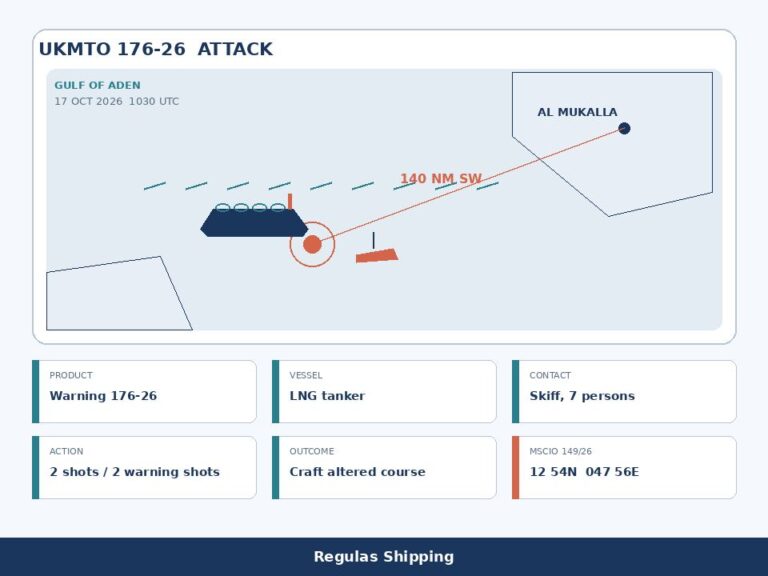
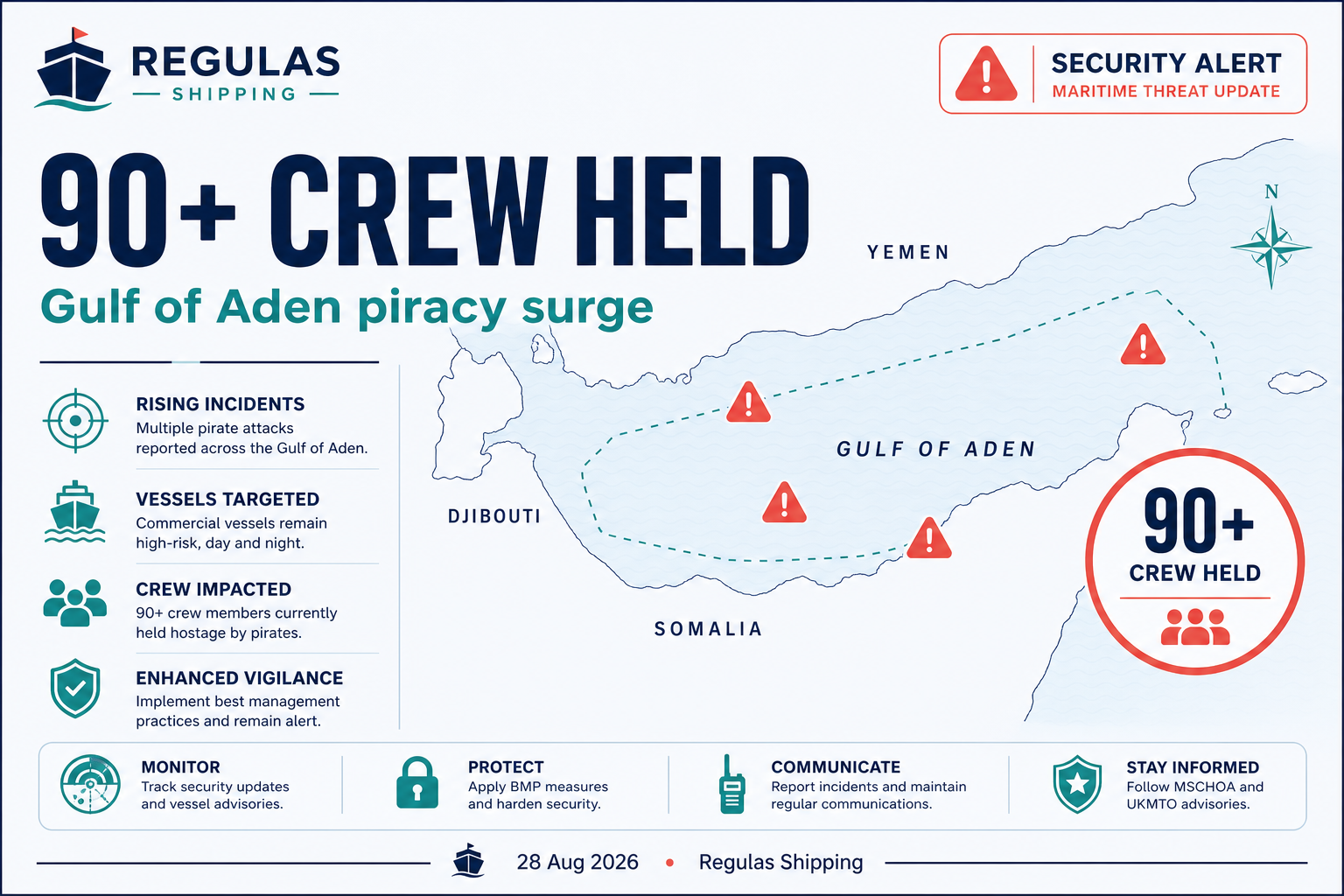
Maritime security reporting in late August 2026 highlights a second crisis layer for commercial shipping: a sharp revival of Somali / Gulf of Aden piracy that has left more than 90 seafarers held captive across multiple hijacked vessels. The International Maritime Organization has pointed to a cluster of recent boardings — including the product tanker Seamull, reported hijacked in the Gulf of Aden around 20 August — bringing the number of ships held by pirates and armed robbers to about six. IMO Secretary-General Arsenio Dominguez has called for the immediate and unconditional release of all those detained and warned that seafarers face increasingly dangerous conditions in these waters.
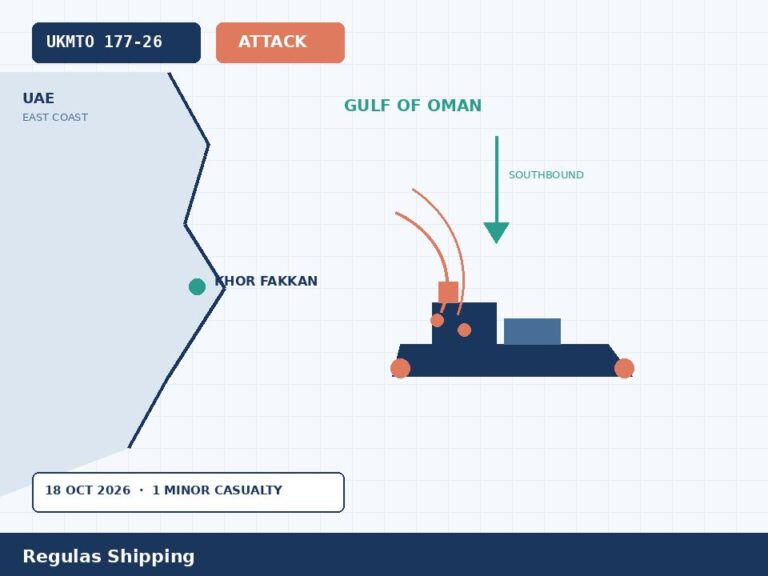
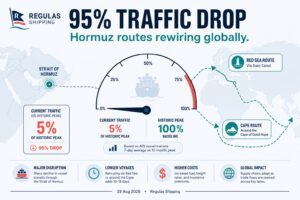
The piracy rebound matters because it collides with Hormuz-driven rerouting. After more than two years of Cape diversions around Red Sea risk, some container operators have begun cautiously restoring selected Suez / Red Sea strings to cut the time and fuel penalty of Africa routings. A live hijack-and-hostage problem in the Gulf of Aden undermines any assumption that “leaving Hormuz” equals a safer Indian Ocean–Red Sea transit. UKMTO and industry sources have also tracked a broader uptick in attacks off Somalia and in the Gulf of Aden this year — already a multiple of the previous year’s full count in some tallies — including boardings of tankers under sanctions-related scrutiny.
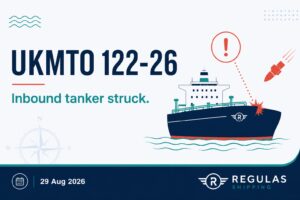
For CSOs and masters, the practical posture is concurrent risk management: Hormuz projectile/mine/administrative threats on Gulf energy voyages, and Gulf of Aden boarding risk on Aden–Bab el-Mandeb–Suez approaches. BMP measures, citadel readiness, reporting to UKMTO, and voyage-specific armed-guard or routing decisions need to be revisited for any ship returning to the corridor — especially slower or lower-freeboard tonnage and vessels with predictable coastal tracks.
What Operators Should Note
- Treat Gulf of Aden piracy as an active, multi-vessel hostage problem, not a historical footnote.
- Revalidate BMP, citadel and reporting drills before any Red Sea / Suez return voyage.
- Do not assume Hormuz diversion automatically reduces crew risk if the alternative track crosses Aden pirate ground.
- Coordinate with UKMTO and flag/P&I guidance on transit corridors, speed and night-time coastal proximity.
- Factor crew welfare and ransom/hostage contingency into company security and crisis plans now, not after the next boarding.
Regulas Shipping will continue dual-theatre monitoring of Hormuz kinetic risk and Gulf of Aden piracy for voyage planning and crew-safety decisions.