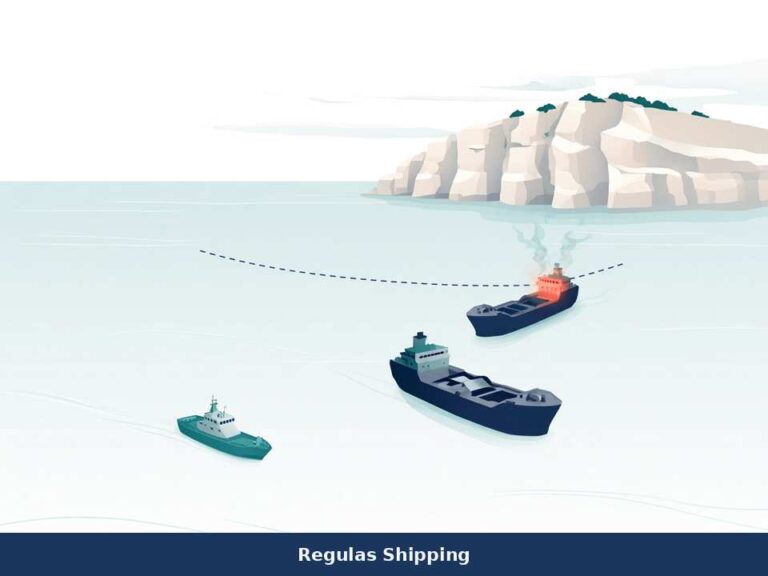
US Central Command said in a post on X that, as of 23 September 2026, its forces had redirected 115 commercial vessels while enforcing what it calls America’s “steel wall blockade” of Iran. Gulf News reported the increment on Thursday, 24 September. The figure is a running count of ships that US forces say were diverted under the blockade, not a statement that 115 hulls were boarded, seized or disabled. Shafaq News, Iran International and One America News carried the same CENTCOM line on Wednesday evening.
CENTCOM has previously said the current operation targets vessels travelling to or from Iranian ports and coastal areas, while other commercial traffic in regional waters is allowed to continue. That carve-out matters on the water. A ship bound for Ras Tanura, Fujairah, Sohar or a Gulf of Oman ship-to-ship area is not, on the US description, automatically inside the blockade. A ship bound for Bandar Abbas, Kharg, Jask or another Iranian berth is. Operators still have to prove the distinction in real time, on VHF and in the paperwork, to the unit that hails them.
The 115 print is an increment, not a new campaign. CENTCOM marked 100 redirected commercial vessels on 12 September. The command then said 105 had been redirected as of 18 September, 109 as of 20 September, and about 110 in secondary reporting on Tuesday. Six more redirections in three days is a faster clip than the earlier September steps, but it is still a compliance count. It is not a daily transit tally and it is not a substitute for UKMTO or NAVAREA products.
The current blockade is the second phase. US forces first blockaded maritime traffic entering and exiting Iranian ports from 13 April to 18 June. CENTCOM said that first period redirected more than 140 compliant vessels, disabled nine non-compliant ships and allowed more than 50 commercial vessels carrying humanitarian aid to pass. The command announced the resumption on 13 July, with enforcement from 16:00 ET on 14 July, after the earlier operation ended. The 115 figure belongs only to the resumed phase. It should not be added to the spring total as if they were one list.
Washington and Tehran still describe the strait in opposite terms. Admiral Brad Cooper said on 19 September that more than one billion barrels of Gulf-partner crude had moved through Hormuz over the previous couple of months with US-coordinated protection, that Iran had “exported zero barrels” under the blockade, and that volume over the previous two weeks was higher than at any point in the prior six months. Iranian officials have called those claims false. Visible commodity traffic has not looked like a restored strait. Kpler’s preliminary AIS set showed 17 commodity transits over the weekend of 19–20 September, against 37 the weekend before; Tuesday 22 September printed three outbound commodity ships, including one Panamax tanker, against a 10-day average of about 15. Pre-war flow was on the order of 125 large commercial vessels a day. AIS-off transits are excluded from those prints, so the true count is higher than the visible number and still far below normal.
The blockade count is also not a kinetic incident log. Wednesday’s hit on the Antigua and Barbuda-flagged Capesize Cape Dao off Musandam, which killed an Indian seafarer and left the ship on fire and adrift, is a separate UKMTO and Omani file. Monday’s unnamed inbound tanker and the time-late outbound LPG debris product remain unnamed in official warnings. Those events sit in the same week as the 115 increment. They do not mean the 115 ships were attacked, and they do not mean a US redirection is a safe-conduct through the strait.
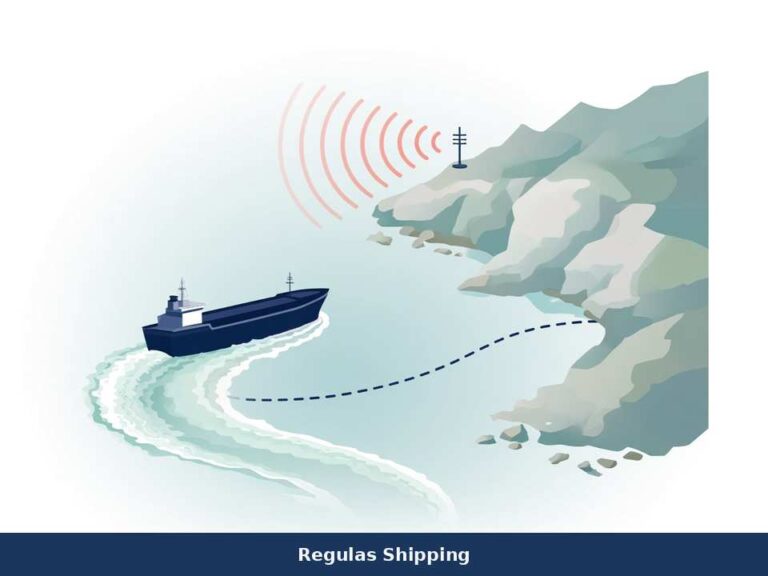
For operators the practical effect is a second filter on top of Iran’s own wartime controls. A voyage that CENTCOM treats as Iran-bound can be turned away even if the master intended a Gulf load or a dark ship-to-ship. A voyage that CENTCOM treats as compliant can still be hailed, delayed or struck on the Iranian side. War-risk premium, charter-party deviation language and crew-change plans have to carry both risks. The 115 print tells owners that enforcement is still active more than two months into the resumed blockade. It does not tell them which hull will be next, and it does not reopen Hormuz.
What Operators Should Note
- Treat 115 as a redirection count, not a seizure list. CENTCOM’s 23 September post, as carried by Gulf News on 24 September, covers vessels diverted under the blockade. The command has not said those 115 ships were boarded, disabled or confiscated. Do not brief charterers that 115 hulls have been taken.
- The target set is Iranian ports and coasts, not every Hormuz transit. CENTCOM says the blockade applies to traffic to or from Iranian ports and coastal areas and that other regional traffic may continue. Confirm the next port, last port and cargo nomination before the Gulf of Oman approach. A last-minute destination change toward an Iranian berth can move a ship into the enforcement set.
- Keep the September increments on one ledger. 100 on 12 September, 105 on 18 September, 109 on 20 September, about 110 in Tuesday secondaries, 115 as of 23 September. The latest figure is six more redirections in three days. It is not a new operation and it is not a daily AIS print.
- Do not add 115 to the spring total. The 13 April–18 June blockade was a separate phase: more than 140 redirected, nine disabled, more than 50 humanitarian passages, by CENTCOM’s own recap when the blockade resumed on 14 July. Mixing the two series inflates the current risk picture without changing the routing decision.
- AIS-visible Hormuz traffic is still a single-digit-to-teens story. Tuesday’s three outbound commodity ships and the weekend 17-versus-37 comparison sit well below the 10-day average of about 15 and far below the pre-war ~125 a day. Cooper’s “one billion barrels” line is a US volume claim, not a sailing window. Dark transits remain outside the Kpler set.
- A redirection is not a safe-conduct. Wednesday’s Cape Dao casualty and the two Monday UKMTO tanker files show that commercial ships are still being hit in and around the strait. Monitor UKMTO, NCAGS and NAVAREA IX independently of any US hail. Keep citadel, fire and medical plans current for engine-room and accommodation strikes.
- Bridge team and charterers need the same script. If hailed on channel 16, record the unit, the time, the order given and the destination stated. Notify owners, P&I and the war-risk underwriter before altering course. A deviation to satisfy the blockade can still be a breach of charter if the fixture assumed an Iranian call; a refusal to deviate can be treated as non-compliance by US forces.
Regulas Shipping will keep tracking the CENTCOM blockade count against UKMTO warnings and AIS-visible Hormuz traffic as the New York diplomacy continues.