The United Kingdom Maritime Trade Operations centre issued Warning 151-26 on Sunday, 4 October. Sourced to a company security officer rather than to a master on the bridge, it said a tanker had sighted multiple explosions in close proximity to the vessel about 60 nautical miles south of Al Mukha, Yemen — the Red Sea port also written as Mokha or Mocha. The report time in the warning is 1650 UTC. The crew were reported safe. No environmental impact had been reported. Authorities were investigating. Vessels were advised to transit with caution and report suspicious activity to UKMTO. The official product named neither hull, flag, cargo, projectile nor a responsible party, and it did not give an exact position.
Anadolu Agency, Middle East Eye and Clearwater Dynamics carried the same unnamed CSO report on Sunday evening. Clearwater logged it as CW Alert 006 (Oct 26), classified it as suspicious activity rather than as a confirmed attack, and placed it in the Indian Ocean / Gulf of Aden picture with “possible militants” as the working aggressor label. That is the working primary. Sunday evening is a Bab el-Mandeb-approaches file, not a Hormuz projectile product, not a rewrite of the 16 September westbound skiff intercept 75 nautical miles east of Aden, and not a named Houthi claim. The useful facts for a DPA and a Red Sea master are the 60-nautical-mile offset south of Mokha, the CSO channel, the “close proximity” language, and the fact that UKMTO did not say the ship was hit. Do not invent a hull, and do not treat an attempted-attack headline as a confirmed strike.
What the warning actually said
151-26 is a proximity report. The company security officer told UKMTO that the tanker’s crew had seen multiple explosions near the ship. UKMTO did not describe a projectile strike, a fire, a blackout, a hull breach or a loss of propulsion. It did not say the ship altered course, stopped, or continued. Crew safe and no pollution reported are the only condition lines. That is thinner than Sunday morning’s Hormuz Warning 150-26, which at least gave engine-room damage on a master-reported attack. Operators who collapse the two Sunday products into one “tanker attacks continue” brief will mis-file a Gulf of Aden near-miss onto a Musandam engine-room desk.
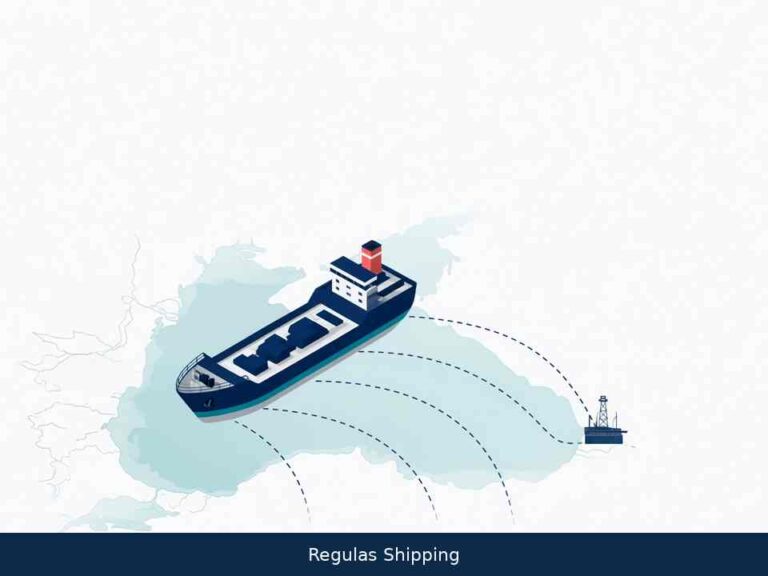
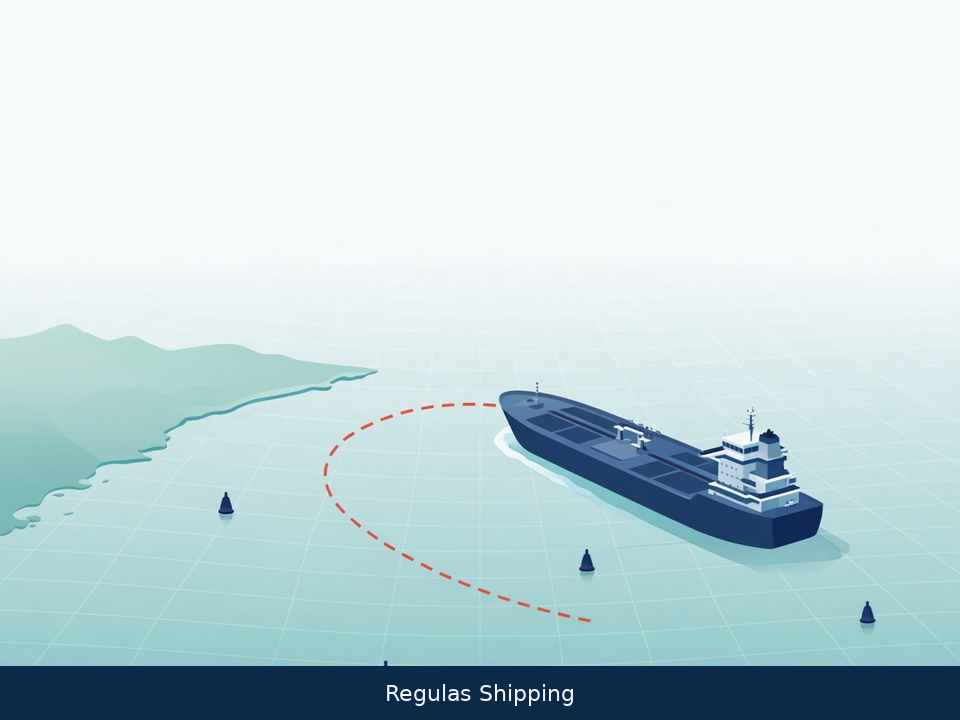
The geography is the second fact that has to stay on the page. Sixty nautical miles south of Mokha is not inside the strait and is not a Red Sea coastal berth. It sits in the Gulf of Aden approaches to Bab el-Mandeb, on the track used by ships that have already left the Red Sea southbound or that are lining up to enter. Exact position was not specified. A master who only plots “off Yemen” will put the watch in the wrong water. Plot 60 nautical miles south of Al Mukha and keep the circle wide until UKMTO or a NAVAREA gives a fix.
The Maritime Executive, writing Sunday afternoon U.S. time, called the event an attempted attack south of Bab el-Mandeb and said it was the latest in a string of strikes widely attributed to Yemen’s Houthi movement. The same piece said the group had not claimed the attempted strike. Stay with that hygiene. Attribution in secondary copy is not a UKMTO naming, and a missing claim is not an all-clear. EOS Risk Group’s Martin Kelly, quoted there, warned that Houthi target-selection criteria have previously widened when hostilities escalate, even when recent rhetoric and attack patterns have concentrated on Saudi-linked ships. That is a planning caution. It is not evidence that Sunday’s unnamed tanker was Saudi-linked, and UKMTO did not say that it was.
Why a near-miss south of Mokha still matters
The timing sits on a land war that has already changed the strait. The Maritime Executive said the attempted strike followed a few hours after the Yemeni government announced a major military operation against Houthi positions, with Saudi support. Houthi forces have taken most of Yemen’s Red Sea coastline in recent weeks, including Mokha and Perim, and have pressed government positions around Taiz. Weekend reporting in that piece also described a Houthi drone and missile attack said to have reached a refinery in Riyadh and Saudi airstrikes near Taiz. Those are land and energy-infrastructure facts. They are not a UKMTO product, and they do not convert 151-26 into a confirmed Houthi hit on a named tanker. They do tell a master that the southern entrance is no longer a quiet back door around a Hormuz problem.
The last dedicated Bab el-Mandeb shipping picture on this desk is still the August traffic collapse after the capture of Mokha, the mid-September UN warning that the strait was volatile, and the 18 September UN Security Council condemnation of Houthi threats to Red Sea shipping. Lloyd’s List Intelligence’s mid-September brief had already shown Bab el-Mandeb August throughput well below the 2023 baseline even as some box capacity returned. Those are existing files. Sunday’s warning is the first UKMTO proximity product in that southern circle for this run. It does not reopen the strait, it does not restore a pre-crisis transit count, and it does not cancel Liberia’s ISPS Level 3 posture in the Red Sea and Gulf of Aden.
Keep the other Sunday file off this page. Warning 150-26 is a Hormuz engine-room attack with a later NAVAREA naming Lipsi adrift off Jazirat Um Al Fayarin. The Hindu’s Monday Reuters copy said UKMTO had reported at least one attack a day in the Strait of Hormuz or the Gulf of Aden since 2 October. That sentence is a count, not a merger. 151-26 is the Gulf of Aden side of that daily tape. Do not move the 60-nautical-mile Mokha explosions into the TSS, and do not use them to identify Lipsi.
Earlier Gulf of Aden colour stays in its own slot. SAFETY4SEA’s 17 September westbound tanker that reported a skiff intercept attempt 75 nautical miles east of Aden is not this ship. The 10 September Glamor citadel boarding 38 nautical miles southwest of Balhaf is not this ship. Honour 25, Eureka, Sibu 1 and the still-held Asana are Puntland and Galmudug piracy files. 151-26 is a CSO explosion-proximity report, not a boarding and not a hostage release.
Operational implications
A CSO report of multiple explosions close to an unnamed tanker 60 nautical miles south of Mokha is a bridge and routing event before it is a casualty file. Masters already committed to a southbound Bab el-Mandeb exit, or lining up for a northbound entry from the Gulf of Aden, need a written night-and-day watch that treats “close proximity” as a missed projectile or a near air-burst until a later product says otherwise. Citadel, fire-main isolation and a citadel-to-CSO reporting clock still apply even when the first warning says the crew is safe and the ship is not described as hit. Unnamed ships that only report explosions nearby can still be navigation objects if they slow, darken or alter toward the African or Arabian coast.
Charterers still stemming Red Sea, Jeddah, Yanbu or a Suez box service should not read Sunday as a new listed-area circular and should not read it as a clearance. The Joint War Committee’s existing high-risk water and Liberia’s ISPS Level 3 in the Red Sea and Gulf of Aden were not rewritten at 1650 UTC. UKMTO’s advice is the same sentence used on Hormuz products: transit with caution, report suspicious activity. That is not a recommendation to go AIS-off inside Oman or Yemeni territorial waters, and it is not a waiver of BMP. Company security officers who filed 151-26 from the office rather than from the bridge should assume underwriters will ask why the first report did not come from the master, what the ship’s heading and speed were at 1650 UTC, and whether a second ship in company saw the same explosions.
Do not fold 151-26 into the Premier Alliance FE1 Suez return, Maersk and Hapag-Lloyd’s Gemini Suez restorations, or COSCO’s OOCL Portugal / OOCL Spain canal pieces. Those are liner routing decisions that still carry Red Sea war-risk and BMP. Sunday’s file is an unnamed kinetic near-event on the southern approaches. It is also not a Yanbu loading story, not a Petroline story, and not a PGSA declaration-channel story. Houthis have concentrated recent claimed energy strikes on Saudi-linked infrastructure. That pattern can change. It has not been confirmed as Sunday’s tanker.
What Operators Should Note
- Log a new Sunday Gulf of Aden product, not a Hormuz reprint. Warning 151-26, 4 October, 1650 UTC, company security officer, tanker about 60 nm south of Al Mukha / Mokha, multiple explosions in close proximity, crew safe, no pollution reported, exact position not specified. Transit with caution and report to UKMTO. Do not invent a name, flag, cargo or attacker.
- Keep the classification on the official line. UKMTO did not say the ship was struck, on fire, blacked out or disabled. Clearwater CW Alert 006 (Oct 26) logged suspicious activity, not a confirmed attack. The Maritime Executive’s “attempted attack” headline is secondary. The Houthis have not claimed the event. Stay with explosions nearby until a later warning, a NAVAREA or a named casualty statement appears.
- Plot the 60-nautical-mile offset, not “off Yemen.” South of Mokha is the Gulf of Aden approach to Bab el-Mandeb, not the Red Sea coastal berth and not the Hormuz TSS. Do not merge 151-26 with Warning 150-26, NAVAREA IX 352/26 or Lipsi. Do not move this circle 75 nm east of Aden onto the 17 September skiff file.
- Treat the land war as context, not as a targeting finding. Yemeni government operations, Saudi support, the Houthi hold on Mokha and Perim, and weekend energy-infrastructure reporting explain why the southern entrance is live. They do not identify Sunday’s tanker and they do not prove a Saudi-link. Kelly’s warning that target selection can widen is a planning caution, not a claim.
- Hold BMP, ISPS Level 3 and the existing war-risk water. Liberia’s Red Sea / Gulf of Aden Level 3 posture and the Joint War Committee listed area were not rewritten at 1650 UTC. Citadel, fire-main, a CSO reporting clock and a lookout for unnamed ships that slow or go dark still belong in the night orders. AIS-off is not a coastal-state waiver.
- Keep this off the Hormuz, FE1, Gemini, Yanbu and PGSA desks. 150-26 is Sunday morning’s Musandam engine-room file. Honour 25, Eureka, Sibu 1 and Asana remain piracy files. Suez restorations remain conditional liner decisions. CSO, master and underwriters own 151-26 until UKMTO names the hull or a confirmed hit, a claim or a pollution volume appears.
Regulas Shipping will keep lining Warning 151-26 against the unnamed 60-nautical-mile Mokha circle and the existing Bab el-Mandeb risk picture so operators can treat Sunday evening’s explosions as a live southern-approaches product, not as a confirmed Houthi hit or a reason to merge the Gulf of Aden into the Hormuz tape.