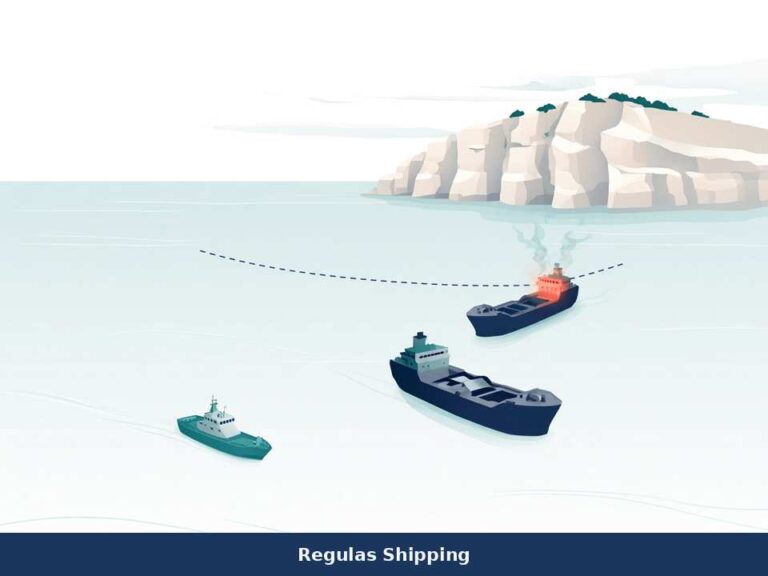
Authorities will begin clearing vessels bound for Danube ports via the Sulina Canal while the ships are still in the Black Sea, rather than processing them inside the canal, shippers told Reuters on Wednesday, 23 September. The change is an attempt to eliminate a queue that has stretched past two weeks after Ukraine’s deep-sea Black Sea ports were effectively blocked and most cargo, including grain, was forced onto the river. It is a paperwork and berth fix, not a security clearance. Joint War Committee circular JWLA-035 still lists almost the entire Black Sea. A faster Sulina stamp does not move a ship through the four-to-five-nautical-mile stretch of international water on the western solidarity route, and it does not change a war-risk warranty written against that circular.
Katerina Kononenko, operations manager at Avalon Shipping, set out the intended benefit in the Reuters file: more vessels can enter the canal during the day; ships are not dependent on the berths in Sulina; there is less waiting and fewer unnecessary manoeuvres. Ukrainian and Romanian trade reporting on Tuesday had already described the same shift at Sulina and Tulcea, applying to traffic both upstream and back toward the sea. Around 70 vessels were waiting to pass, with another seven completing formalities at the anchorage. As of 21 September, waiting time for ships headed to the Ukrainian river ports of Reni, Izmail and Orlivka was estimated at 12 to 17 days. Giurgiulești, on the Moldovan bank, was 3 to 6 days. The Romanian ports of Galați, Brăila and Tulcea were 2 to 4 days. Those figures are why a Black Sea clearance that does not consume a Sulina berth matters. They are also why operators should not treat Wednesday’s change as the end of the backlog.
The queue is a capacity problem stacked on a security problem. Ukraine’s three Danube river ports are now handling the maritime export and import flow that used to move, for about 90 percent of the country’s trade, through Odesa-area deep-sea terminals. The Sulina Canal is not a Ukrainian lane. It is the Romanian maritime entrance used by ships bound for Ukraine, Romania and Moldova, piloted by Romania’s Administrația Fluvială a Dunării de Jos (AFDJ), and it has been running in daylight. First Deputy Minister Serhiy Derkach said in late August that Kyiv was negotiating, with European Commission mediation, for Romanian pilots to work around the clock and for Ukrainian pilots to be trained and certified for the canal. Those talks are still talks. ASAP Agri, in a mid-September note carried by Reuters, said waiting was not only on the way in: about 15 days to enter and about three days to exit. High waves suspended Sulina traffic for at least one mid-September day. Kononenko warned then that autumn and winter weather would close the canal on more days and that there was “no real prospect of significantly reducing the transit time on the Danube to or from Ukrainian ports.” A Black Sea clearance window does not add night pilots, deepen the channel, or improve the weather.
Draft remains a hard limit even if the stamp moves offshore. Current maximum safe drafts reported with Tuesday’s procedure note were 7.01 metres at Sulina, 5.50 metres on the Bystre Canal, and 6.75 metres on the Izmail–44th mile section. That is coaster and river-sea tonnage, not the deep-sea lift that used to leave Odesa, Chornomorsk and Pivdennyi. Ukrainian authorities have said the Danube ports could export at least 500,000 tonnes of grain a month. Official data in Wednesday’s Reuters file put Ukraine’s grain exports so far in September at about 930,000 tonnes, against 1.78 million tonnes in the same period of September 2025. A mid-September cut of the same series showed 606,000 tonnes in the first half of the month, with the agriculture ministry then attributing 45 percent to the Danube, 45 percent to rail crossings into Eastern Europe and 10 percent to lorries. The river cannot replace the blocked deep-sea ports. It can only move a thinner, slower, more expensive slice of the harvest.
Operational implications
The commercial cost is already visible on the Egypt run, the trade that used to be a twelve-day Black Sea voyage. Shippers told Reuters this month that congestion and the wait to enter the Danube and return to the sea had stretched Ukraine-to-Egypt grain deliveries to more than a month, threatening profitability. ASAP Agri put coaster freight from Ukraine’s Danube ports to Egyptian ports at about $105 per tonne on 11 September, against about $30 on 11 July when the deep-sea ports were still working. Wednesday’s file said those rates had since stabilised around $100 per tonne. ASAP Agri’s mid-September comment still applies: cargo supply is substantial, willing coaster tonnage is limited, and owners continue to voice high freight ideas. Egypt, the world’s largest wheat buyer, has been reported as receiving no Black Sea grain for about a month as attacks on ports, silos and hulls since July cut the harvest-season lift. A Sulina procedure change may recover some daylight slots. It does not restore a twelve-day voyage, and it does not put a VLCC or a Handymax back on an Odesa berth.
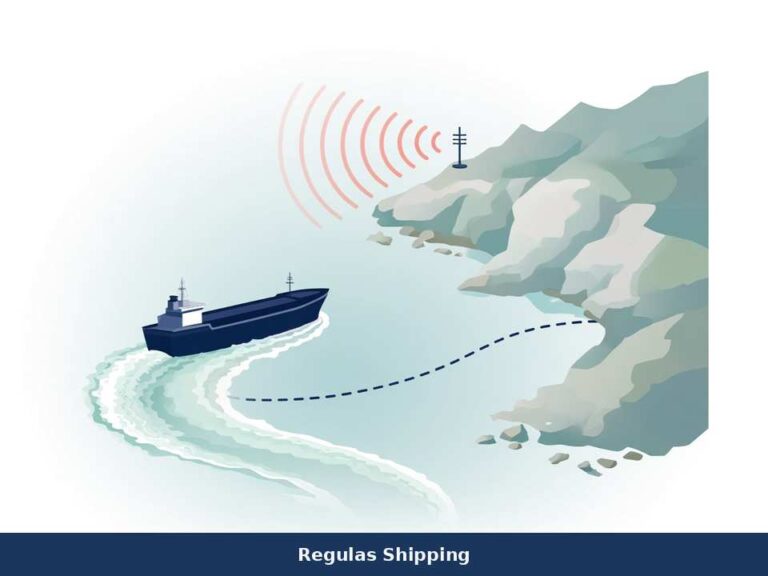
Security is unchanged by the new stamp. President Erdoğan told the United Nations General Assembly on Tuesday that recent attacks on commercial vessels in the Black Sea are unacceptable whoever is responsible; that speech is already on the Regulas file and did not create a corridor. EU High Representative Kaja Kallas, speaking at a food-security event on the UNGA sidelines on Wednesday, called for a moratorium on Black Sea attacks so civilian shipping and grain exports could resume. That is a political ask, not a reporting channel, an escort authority or a coordinate box. The İMEAK DTO August count — 226 civilian and commercial vessels targeted since the invasion, 163 of them in the first eight months of 2026 — and the later industry update to at least 27 Turkish-owned hulls hit since the start of June remain the casualty series. A ship waiting in the Black Sea roads off Sulina is still in a listed war-risk area. Moving clearance from a canal berth to an anchorage does not move the ship out of that area. Masters should not thin AIS, citadel or watchkeeping because the paperwork now starts offshore.
Charterparties written against a twelve-day Egypt run, a deep-sea load port, or an assumed Sulina in-and-out measured in hours are already wrong. The useful test for Wednesday’s change is narrower: does the voyage order name who pays for the remaining 12-to-17-day wait to Izmail, Reni or Orlivka; who pays if AFDJ is still daylight-only; who pays if waves close the canal again; and whether the ship is stemmed inside the 7.01-metre Sulina draft. A river-sea hull that clears in the roads and then sits for two weeks for a pilot is not a saved voyage. A grain cargo that still takes more than a month to Egypt is not back on the July economics. Energy, containers and project cargo that have been forced onto the same three river ports should assume they remain behind grain in any political queue, including the moratorium Kallas asked for on Wednesday.
What Operators Should Note
- Read the new clearance as a berth and paperwork change, not as a safe lane. Ships bound in via Sulina will be processed while still in the Black Sea instead of inside the canal. Kononenko’s benefit is more daylight entries and fewer Sulina-berth holds. JWLA-035, UKMTO-style reporting and citadel instructions do not change with the stamp.
- Price the destination, not the headline queue. As of 21 September, Reni, Izmail and Orlivka were 12 to 17 days; Giurgiulești 3 to 6; Galați, Brăila and Tulcea 2 to 4. Around 70 ships were waiting, with seven more at the anchorage. An offshore clearance that helps a Romanian port stem does not automatically help an Izmail grain loader.
- Keep the draft file on the fixture. Maximum safe drafts reported this week: 7.01 metres at Sulina, 5.50 metres on Bystre, 6.75 metres on the Izmail–44th mile section. That is river-sea and coaster work. Do not stem deep-sea tonnage against a Danube substitute that cannot take the draft.
- Daylight pilots and weather still cap the canal. AFDJ remains the pilot authority. Round-the-clock Romanian pilots and Ukrainian certification are still under discussion. High waves have already closed Sulina this month. Kononenko’s mid-September warning on autumn and winter closures still stands. A Black Sea stamp does not add night transits.
- Egypt is still a month, not twelve days. ASAP Agri had Danube-to-Egypt coaster freight at about $105 per tonne on 11 September versus about $30 on 11 July, now stabilised around $100. Entry waits of about 15 days and exit waits of about three days were the mid-September pair. Do not bid a July voyage on a September canal.
- The volume gap is still a deep-sea gap. About 930,000 tonnes of Ukrainian grain exported so far in September against 1.78 million in the same period of 2025. Danube potential of at least 500,000 tonnes a month is the official ceiling, not a substitute for Odesa-area lift. Rail and lorries are already carrying the other half of what is moving.
- Do not convert Wednesday’s UN moratorium ask into routing. Kallas called for a halt to Black Sea attacks so grain could move. Erdoğan condemned attacks on Tuesday. Neither text names a route, an escort or a start date. A ship in the Sulina roads is still in the listed area. Confirm war-risk, P&I, class and seafarer consent before the hull leaves the Dardanelles.
Regulas Shipping will keep lining Sulina clearance changes, Danube waiting times and Joint War Committee listed-area language against remaining Black Sea and river-sea programmes so operators can treat an Izmail or Reni stem as a constrained logistics decision, not as a reopened grain corridor.